 BACK TO Blog
Asset Rental Management
RFID Asset Tracking
How Does RFID Asset Tracking Work?
- April 17, 2026
- DreamzCMMS Team
- 13 minutes read
- April 17, 2026
- DreamzCMMS Team
- 13 minutes read
Increasingly, businesses are turning to RFID asset tracking in order to monitor a variety of assets, from critical medical equipment and expensive tools down to cases of raw materials sitting on a warehouse shelf. The benefits include gaining access to the information you need more quickly, automating many of the routine tasks associated with inventory management, and reducing the likelihood of error. Of course, the first question many businesses have is how RFID asset tracking actually works.
RFID asset tracking is an connected ecosystem of RFID tags, RFID readers, RFID antennas and software that enables assets to be identified and monitored. This makes a far better alternative to manual data entry, or traditional barcodes that need to be scanned into logs.
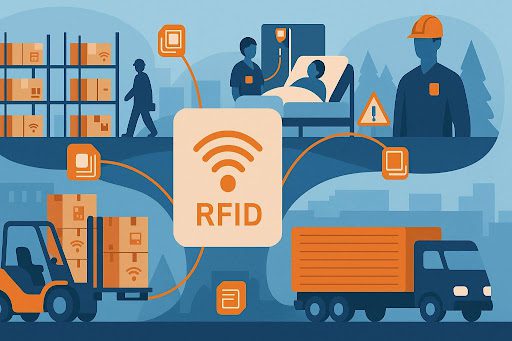
Whether it's a hospital, clothing manufacturer, logistics provider, construction site, warehouse or rental company - RFID is increasingly being adopted by a diverse range of businesses in many different industries. Each is seeking to improve tracking, accountability and control in order to improve daily operations.
This guide covers RFID tracking. We’ll cover how RFID tracking works, the various RFID tracking components and how data travels through RFID systems, and explain why RFID tracking is so important for overall asset visibility.
What Is RFID Asset Tracking?
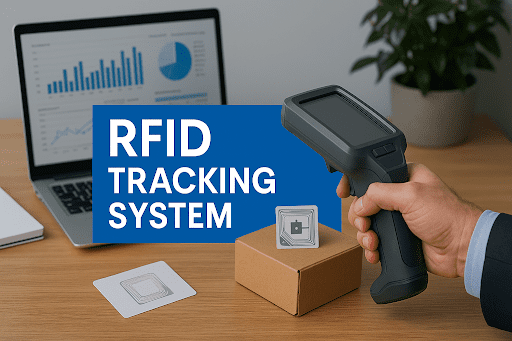
RFID asset tracking is a process by which physical assets are monitored using RFID technology. RFID tags or labels are attached to the assets, and then the tagged assets are tracked as they are moved around a facility, using an RFID reader device to capture the asset IDs and send them to software when the tags come within range.
This RFID training module provides an overview of RFID asset tracking basics. Understanding that an asset exists is the first step in tracking it, but it is also important to know where the asset is located, when it was last moved and how it is being used.
For any business looking to increase exposure, cut losses and save time and resources, it is paramount to understand what RFID asset tracking is and how it can benefit a business. RFID asset tracking provides businesses with increased accuracy in the tracking of assets and no longer does your admin staff have to manually update locations of assets.
Why Businesses Use RFID for Asset Tracking
Assets can change rapidly, be dispersed to various teams, and be stored in different locations at different times. Manually tracking your assets is inefficient, time-consuming and often inaccurate.
Using RFID tags within your simulation, FlexSim can track and record every move of all assets in your simulation, enabling fast and easy audits, checks in and out of inventory, improved accountability, and better understanding of asset usage.
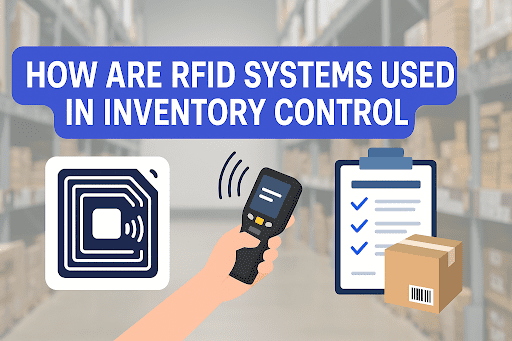
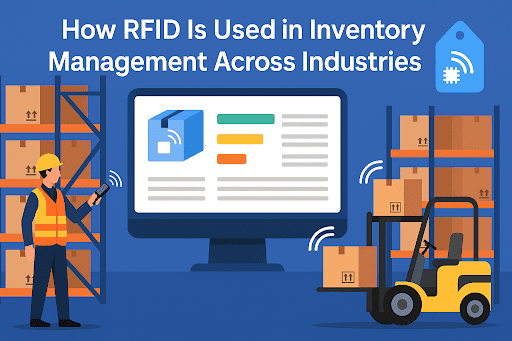
In addition to supply chain applications, companies are also integrating with other business applications such as RFID Inventory Management in order to gain overall asset visibility and control of their inventories for both day-to-day operations and strategic planning.
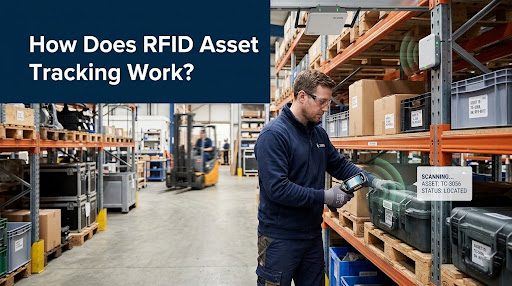
How Does RFID Asset Tracking Work?
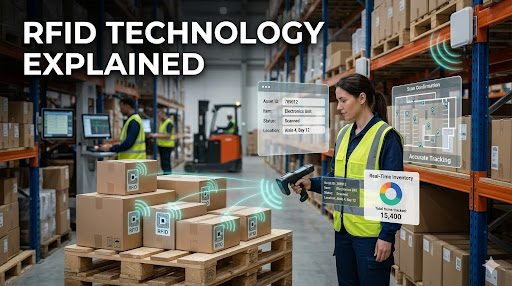
The RFID tag is adhered to the asset. The RFID tag contains information such as the asset number. The RFID reader transmits a radio frequency signal that is read by the RFID tag. The tag then transmits the information it contains back to the RFID reader and the reader captures that information and transmits it to the software application. SoftArtificial’s innovative software also records updated information for individual assets, locations, or workflow statuses.
So that is the basic RFID asset tracking process. It seems easy enough to understand, but extremely powerful when all the different elements are properly configured and in use on the production floor.
For businesses that want a more practical example, How Does RFID Asset Tracking Work in Real Operations? helps show how the technology behaves in live business settings.
The Main Components of RFID Asset Tracking
RFID Tags
Tagging the Assets - RFID tags are attached to the assets and the tag contains the information for the RFID reader to pick up. In the Tagging the Assets step, the item’s tag number links to an individual asset record in Asset.
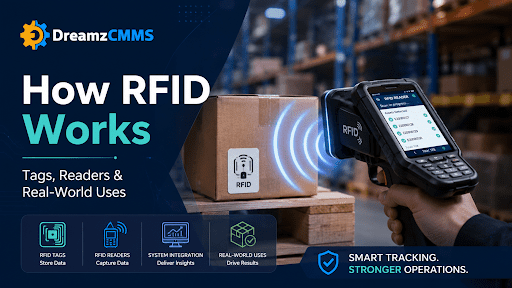
Tags can be attached to laptops, medical equipment, rental items, tools and any other type of machinery or item that is stored in a warehouse or production facility. Tags are one of the main RFID asset tracking components and are an important part of the overall system as they contain vital information regarding the tagged item and links to the overall system. Tags are one of the RFID asset tracking components covered on this website.
RFID Readers
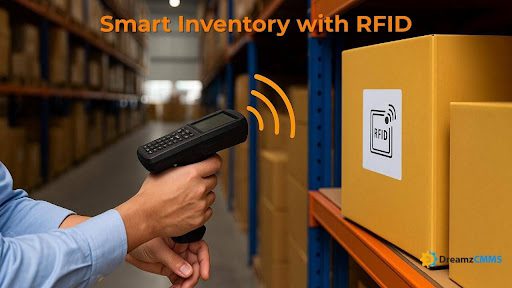
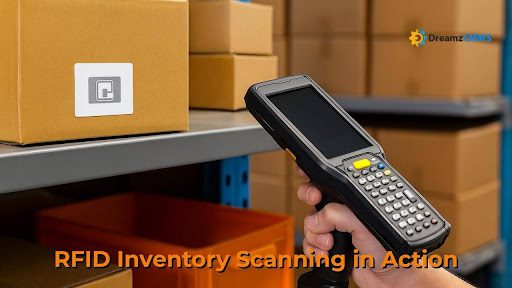
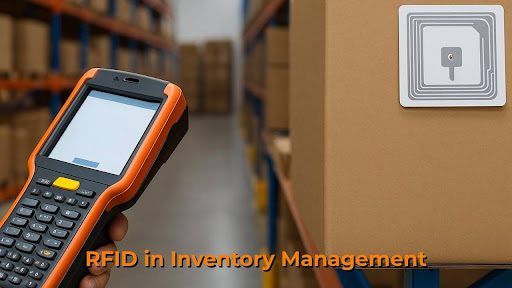
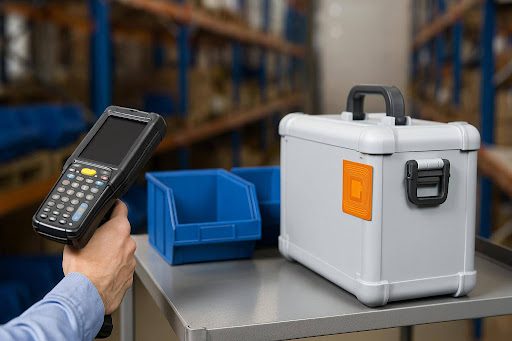
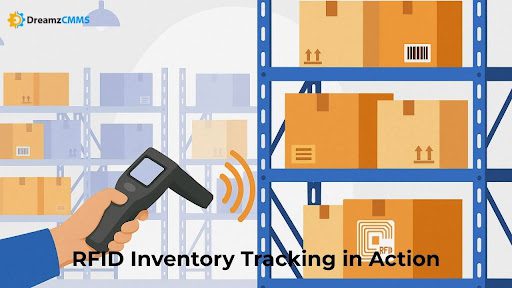
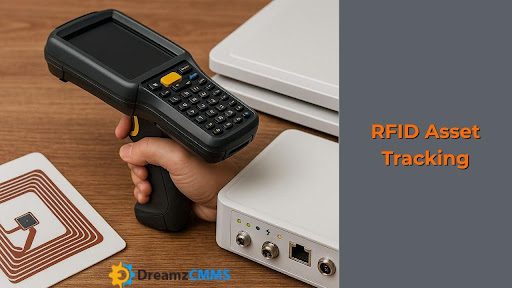
Readers are RFID readers which scan for tags and talk to them. They send out a radio signal to detect tagged items and read the data stored on the RFID tag. Readers can be Handheld, fixed mount or wall mounted. They can be set up across all entry and exit points, check points or in other strategic locations within a system.
The RFID tag reader is the key component for tag communication within an RFID system.
Antennas
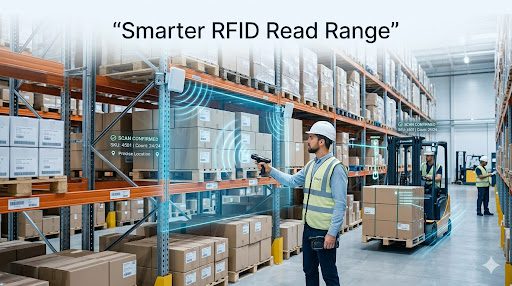
RFID reader antennas are used to increase the range of RFID readers and to enhance their functionality. They provide a medium through which the reader can transmit and receive RF signals and the parameters of the read zone largely depend on the RFID reader antenna.
We often install RFID antennas in the most high-traffic locations such as entrances and exits, inventory storage areas, service desks and dock-loaded trucks. Antennas are one of the key elements of the overall RFID hardware system and play a critical role in achieving high read performance as part of an overall RFID asset tracking system.
RFID Software
Chirps from the tags need to be translated into meaningful action for end users such as location, status or movement. Asset Location Hub software decodes the tag ID ‘chirps’ from incoming data and updates meaningful information such as location, status or last movement in the corresponding asset record.
This data can then be utilised by our RFID Asset Tracking Software. It is the software that gives your asset tracking data real value within your organisation.
Middleware
Middleware provides the connection point for RFID middleware to link together RFID data with RFID hardware and business applications. RFID middleware software utilises middleware to filter and remove duplicate reads from the stream of RFID data, to structure the data into a meaningful format and apply business rules to the data prior to it being passed on to other enterprise applications.
As you scale up an RFID deployment from tags and readers to tags and readers with tags deployed across an entire enterprise, RFID middleware asset tracking capabilities are needed to clean up and organize the growing data stream.
How RFID Tags Transmit Data
One of the most common questions people have about RFID tags is how they communicate with RFID readers during the tracking process. There are two primary types of RFID tags and they have different ways of interacting with RFID readers. Passive RFID tags do not have a battery and they are the
As you transmit a radio signal, the tag recognizes the signal and transmits its stored information back to the reader. The software then incorporates the received information. No physical contact is required to identify an asset.
This is a typical exchange between an RFID tag reader and an RFID tag. This exchange is fast and typically suited for loose, non-line-of-sight tracking applications.
RFID Asset Tracking for Business - How Does RFID Work? If your company is wondering how RFID can be used for asset tracking, then this video will cover the basics of how RFID tagging, reading and software integration comes together to create an asset tracking system.
RFID Asset Tracking Step by Step
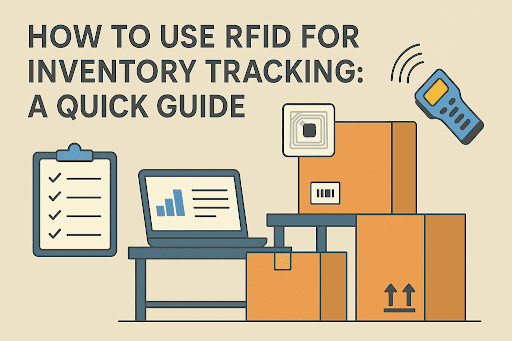
RFID asset tracking does not exist in a vacuum and to help you understand how RFID tags are tracked in real life operations we have outlined the steps involved.
Our system begins by attaching an RFID tag to the items you need to track. Those RFID tagged items are then linked to the related asset profiles within our digital system.
After selecting the RFID reader(s) and tags, the RFID readers and antennas need to be placed in the optimal location within a facility. This may be at the entrance/exit, storage locations, receiving dock, production line locations and/or other site specific locations.
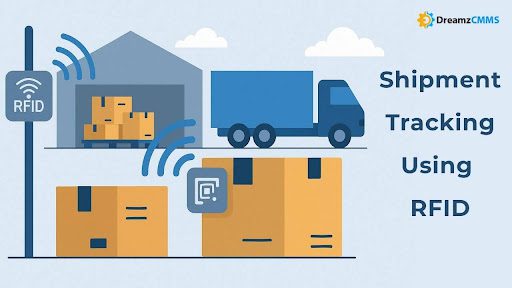
As the asset moves through a read zone, the reader captures the tag data. The captured tag data is then stored and reported in the middleware/software platform for analysis.
The software interprets the event as it is received from the device and other sources. Typical events include: received, checked out, transferred, returned, missing, in use, etc.
This image shows a series of steps required to track assets with RFID. It is also part of a longer sequence of images that illustrates an end-to-end RFID tracking process, showing the progress of an item through a real world environment and its transformation into a digital object.
In addition to the external resources listed above, you might be interested to have your company’s staff and guests explain how RFID Asset Tracking works in their real world operations, via articles, videos, podcasts, etc. Some potential post titles off the top of my head include “How Does RFID Asset Tracking Work in My Hospital
Active vs Passive RFID Tracking Process
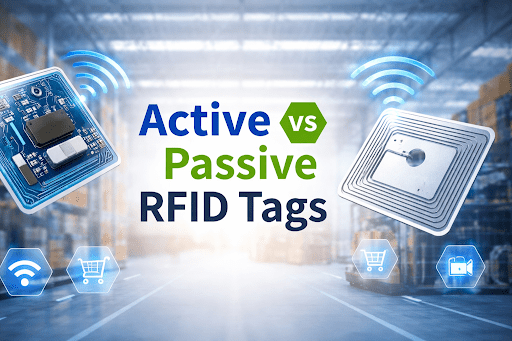
Another important aspect of the RFID planning process is to understand the active RFID vs passive RFID tracking process. In passive RFID tags, there is no internal power source. The tag receives a signal from the RFID reader and transmits back information to the RFID reader which then decodes the tag’s
Passive RFID
Our passive RFID tags do not require batteries and operate by using the energy sent by the reader to talk back. Passive RFID tags are less expensive to purchase and are commonly used for asset tracking and monitoring as well as for inventory management and checkpoint visibility applications.
Passive RFID technology is a cost-effective and highly scalable solution for monitoring a variety of assets.
Active RFID
Active RFID tags contain batteries which are embedded into the tag. As a result active tags have the capability to transmit a signal over a longer distance, than a passive RFID tag is capable of.
For large campus-based deployments and high-value asset tracking of large, mobile assets, we use Active RFID. We also use this technology for any application where a longer read distance is a key consideration.
When deciding between active RFID tags and passive RFID tags, organizations consider several criteria such as cost, read range, use environment, and the level of visibility required.
RFID Frequency Asset Tracking Workflow
Another factor that affects the performance of an RFID asset tracking system is the RFID frequency that is used.
RFID systems vary based on the frequency at which tags are read by the RFID reader. Different frequency ranges have different benefits for use in various applications. Some frequency options are good for close range reading and others can read tags at greater distances or provide increased read throughput when reading multiple tags at once.
Performance around metal, liquid, distance and interference can all be enhanced by choosing an appropriate frequency. This should be a consideration while planning and testing the system.
Another useful guide to RFID asset tracking technology is to consider the frequency choice(s) required to achieve good read rates in the particular tracking environment in question.
Real-Time RFID Asset Tracking Operation
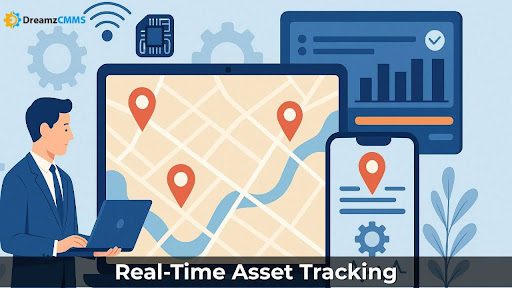
Rather than populating a static inventory location in your database on an regular basis, many customers are interested in having a live view into their organization's operations through RFID-based asset tracking during real-time operations.
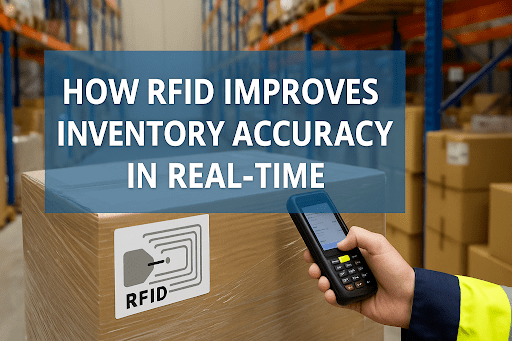
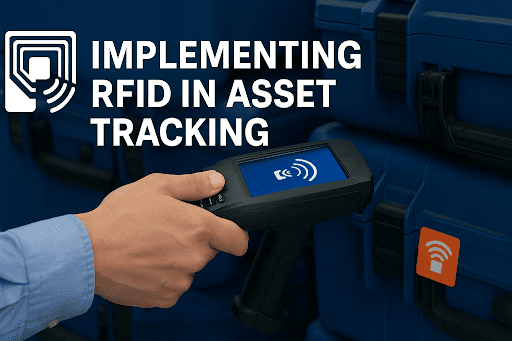
By placing RFID readers in optimal locations around your organisation, the system automatically detects the movement of your assets and updates their status in near real time. You can see immediately where assets have entered, exited, returned or are missing. Businesses planning rollout can go deeper through Implementing RFID in Asset Tracking.
Our RFID Solutions are particularly valuable to companies that operate on a tight clock. Hospitals, field service technicians, industrial operations and rental businesses will find our RFID Solutions to be valuable tools. From quickly locating mobile equipment in a hospital setting to reducing downtime and the risk of losing assets in rental and field service operations.
Connecting RFID Platform – Asset Tracking to RFID Platform – Workflow Automation increases the value of the solution. Asset events can trigger alerts, updates, approvals, tasks etc. and automate manual work.
RFID Middleware Asset Tracking in Daily Operations
Don't forget that RFID middleware will be used to perform asset tracking. Middleware will validate, sanitize, normalize, eliminate duplicates and apply business rules to strip out only the data required for your organization and applications, providing true end user value to your organization.
When businesses want RFID Inventory Accuracy with Asset Tracking Software, clean data becomes even more important. Accurate inventory visibility depends not just on reads, but on how those reads are interpreted and managed inside the platform.
So you want to know what is RFID asset tracking? Well when you find out, don't be afraid to ask what is RFID asset tracking software (also known as RFID tracking middleware). That's because middleware acts as a "middle layer" of software between RFID hardware (readers) and applications (such as an asset register). Its role is to process and format RFID "events" into usable data.
Benefits of Understanding RFID Asset Tracking
RFID Asset Tracking RFID Asset Tracking provides visibility, accuracy and control by helping organizations to quickly locate, monitor in real time, record for audits and update RF tagged assets as they are moved throughout an organization.
But the benefits of RFID don't stop at tracking and locating assets. The use of RFID can provide real-time data on the movement of assets to organizations, and this information can be used to make more informed purchasing, maintenance and replacement/distribution decisions.
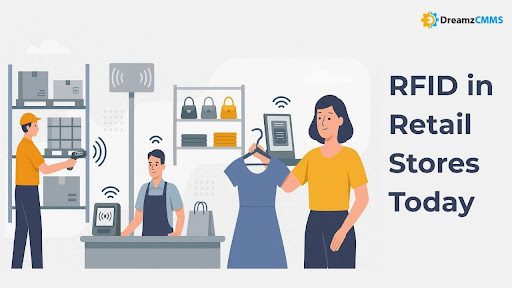
RFID technology consists of RFID tags and RFID readers but its real value comes from how it can support an organisation's operation by providing real-time location and tracking information. RFID is used in a variety of environments such as a warehouse, a hospital, a retail shop / rental outlet or as tools are despatched to and returned by field service people.
It is often misunderstood that RFID asset tracking is simply a collection of microcircuits, tags, and antennas. While these do constitute RFID asset tracking technology, it brings far greater value to an organization by giving them greater visibility, accountability, and enlightened decision making.
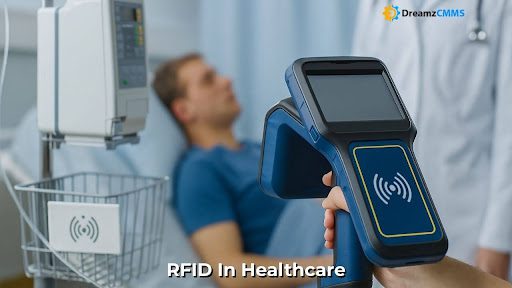
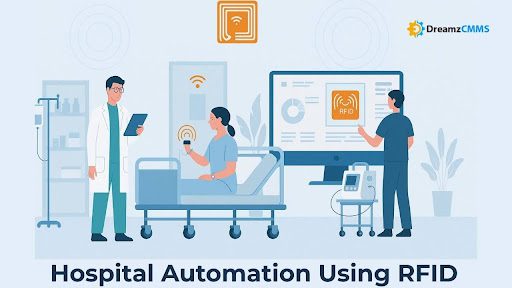
In healthcare, this is one reason businesses look at RFID Solution for Healthcare. Hospitals and care facilities often manage mobile assets that need to be found quickly. Better tracking can reduce search time, improve availability, and support faster service.
Conclusion
RFID Asset tracking solutions utilize an integrated system of RFID tags, readers, antennas, middleware and software to deliver a complete automated identification and data capture solution for asset rich organizations.
RFID can make life a lot easier for Facility professionals by keeping assets from walking off with the janitor, increasing accuracy, saving time and money, and even informing the business decisions that affect their department. Put RFID to work starting with an understanding of what it can do for you and then applying it to your specific challenges.Need more asset visibility, smarter automation, better control over your assets? Get a Free Demo with DreamzCMMS.









Subscribe to Our Newsletter
 100% SECURE
 We Respect Your Privacy
Ready for More?
Talk to one of our CMMS experts and see how DreamzCMMS can simplify your maintenance operations.
Book a free consultation