 BACK TO Blog
Asset Rental Management
RFID Asset Tracking
What Is RFID Technology? Uses, Benefits and Examples
- April 30, 2026
- DreamzCMMS Team
- 12 minutes read
- April 30, 2026
- DreamzCMMS Team
- 12 minutes read
Introduction
RFID is a used identification technology but many organisations do not fully understand how it works and its importance. Many people see RFID in things like tracking products in stores or controlling access to meeting rooms. Rfid is more than that. It is a technology with many uses for organisations of all sizes. Here is our guide to RFID technology. In this article we will explain what RFID technology is, its parts and what it is used for. We will also look at the benefits of RFID for businesses. If you are new, to RFID or want to know more about using it in your organisation, this guide will help you get started with RFID. It will help you understand RFID technology better.
What Is RFID Technology?
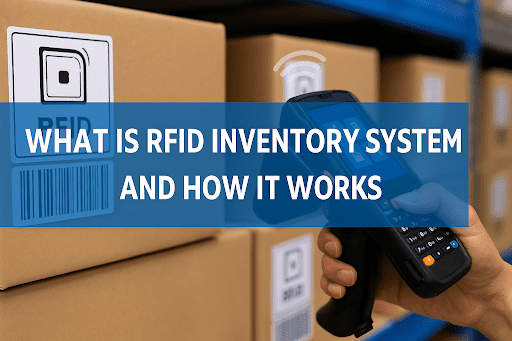
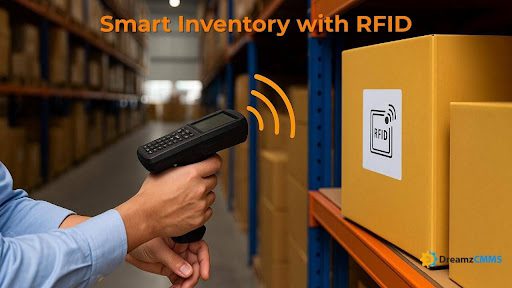
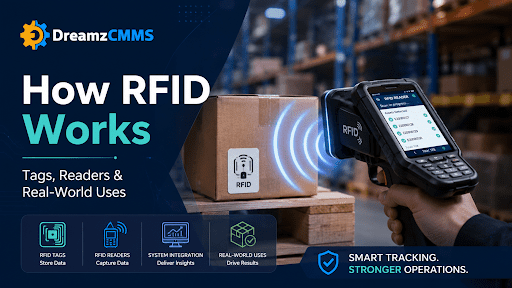
RFID means Radio Frequency Identification. RFID uses wireless radio wave technology to identify and locate tags attached to objects, people or animals and copy their data. With RFID, the RFID reader sends a signal to the tag or label and reads the information and the RFID reader automatically receives the data.
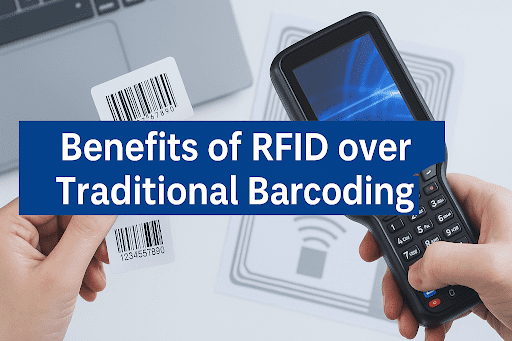
One of the greatest advantages RFID has over the traditional barcode system is that items no longer have to be manually scanned individually. Tags can be read one at a time, in a batch, or all at once. Tags can be read directly or at an angle, and RFID systems can even read tags out of sequence.
RFID solutions are used in various industries, including tracking of products and inventory, carton and pallet tracking, equipment management, health records management and assets management. RFID offers a faster, better, and more reliable solution for optimising business processes, increasing efficiency, and delivering visibility..
RFID Technology Components
To know in detail about how RFID technology works step by step, it helps to first understand the core hardware components that make the system function.
1. RFID Tags
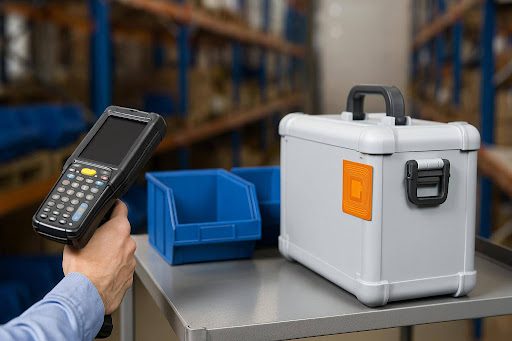
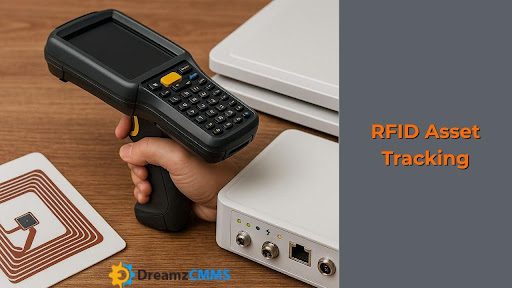
RFID tag (also called RFID transponder) is a small item with a microchip and an antenna. It is attached to objects (e.g. products, items, racking, tools, plant, equipment and assets) and then identified or monitored/tracked using RFID technology.
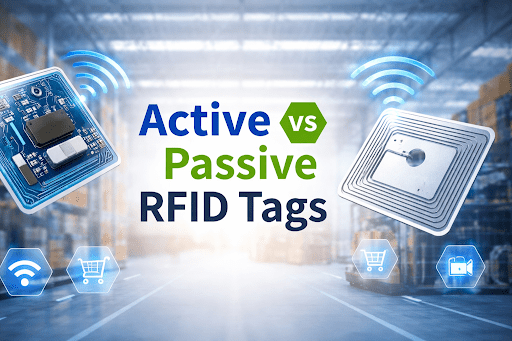
The two types of RFID tags are passive and active. Passive RFID tags do not contain a built-in power source. Instead, they draw energy from the electromagnetic field produced by the RFID reader to operate and transmit data. Passive tags are very cost effective. Other benefits include low cost, lightweight, miniaturisation and long life. Passive tags are ideal for high-volume applications such as retail inventory management and tracking, supply chain management, access control systems, animal RFID and asset tracking tags.
Active RFID tags are powered by a battery and can also send signals back to RFID readers to increase the read range of active tags. Expensive items such as car parts, expensive medical equipment, critical kits, building components and air conditioning kits are tracked using active RFID tags.
2. RFID Readers
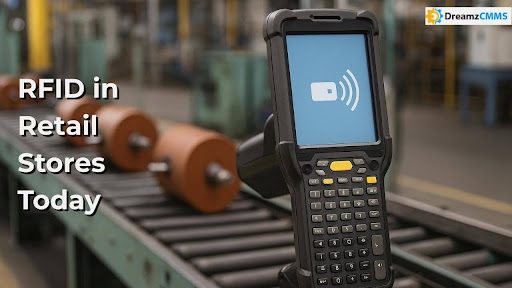
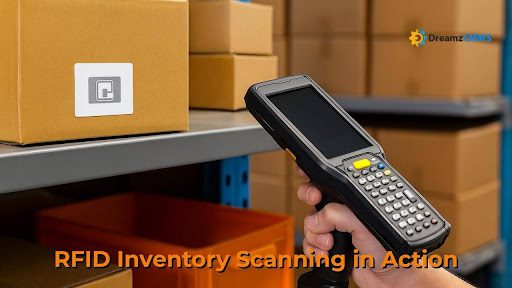
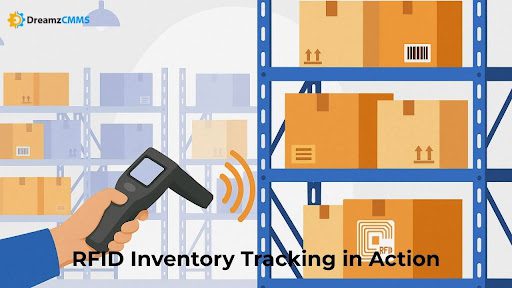
The RFID reader (or interrogator) sends out radio frequency signals and then waits for a return signal from any tags in range. RFID readers can be handheld or fixed between a retailer’s entry/exit points or even embedded in a conveyor system or shelf. The RFID reader reads the information and decodes it and passes it to the retailer’s software back-end.
3. Antennas
Antenna: Acts as the interface between the tag and the reader. Sends RF energy to energize passive tags. Picks up the tag signal and sends it back to the reader. Important factors to consider when selecting antenna size and placement for optimal read range and accuracy.
4. RFID Middleware and Software
The raw data collected from the readers is analyzed and filtered through the RFID middleware before it is transmitted to enterprise applications such as an enterprise resource planning (ERP) system, a warehouse management system (WMS) or assets management software. RFID middleware software such as RFID smart software, IntelliRF, inin RFID Management Server, TracRFD, and mRcpt are available.
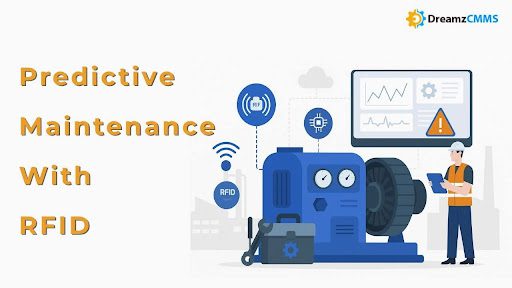
RFID Tag data and other information can also be integrated into the workflow of the asset lifecycle allowing users to track, schedule maintenance and report on performance of assets real-time within the DreamzCMMS.
Active vs Passive RFID Technology
Passive RFID tags are produced without a power source. Remote activation by the RFID reader provides enough energy to transmit the stored information. Passive RFID tags have a read range of 1 to 10 metres, are low cost, rugged and therefore very suitable for large-scale production and deployment. Passive RFID tags are used in various applications including inventory management systems, warehouse management systems, retail point of sale terminals, access control systems and general asset tracking.
Active RFID tags have an in-tag battery and can transmit a signal back to the tag reader. This means longer read ranges are possible of up to 100 metres or more. Whilst more expensive than passive RFID tags, Active RFID tags have a number of benefits in larger more complex locations such as hospitals, data centres, manufacturing facilities, workshops, garages and warehouses. They enable real-time location tracking of items such as racks of servers, medical equipment, cars, large plants, Fork Lift Trucks, and valuable tools.
How RFID Technology Works Step by Step
RFID is something many people have a good feeling for, but many people have a lot of questions about what RFID is and how RFID works. This article should provide you with a good overview of the process.
- Tagging Methods - Methods for attaching a tag. RFID tagging – When an RFID tag is attached to a person, animal, asset or a product (like on a name tag).
- Activate Reader: The activator in RFID systems is the RFID reader. The reader radiates a radio frequency field that fills some volume.
- Tag activation: Tag types passive tags energise to activate the circuit, active tags activate and transmit independently
- Data Transmission: The tag transmits the stored data such as the number of tag by radio waves.
- Data processing: The reader decodes the captured information and sends the processed data to the software of interest.
- Action/Recording: Once the read event is captured into the software, it can update related inventory/assets records, send alerts or trigger workflows.
This entire process can happen in milliseconds and for hundreds of tags simultaneously, which is what makes RFID so powerful at scale. To see this in action, read our guide on
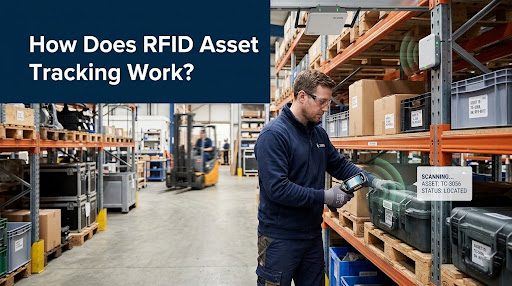
How Does RFID Asset Tracking Work in Real Operations?
RFID Technology Applications Across Industries
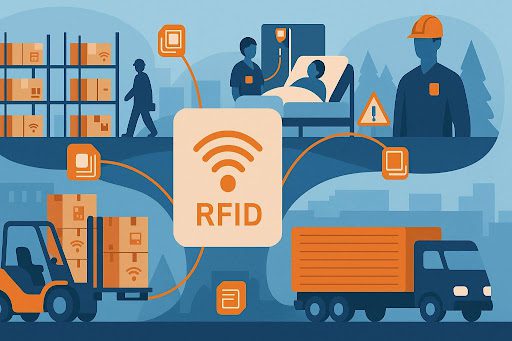
RFID technology has become very relevant in the present-day information age. Applications of RFID are used in almost every line of business and by every industry. Here are some of the most common RFID examples available in various industries.
RFID Technology in Supply Chain and Logistics>
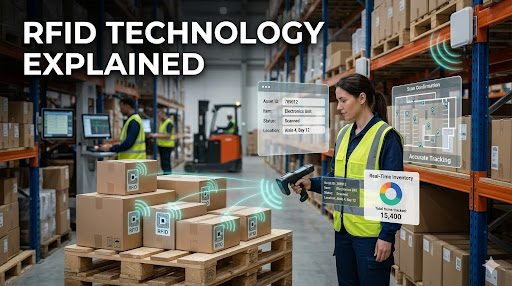
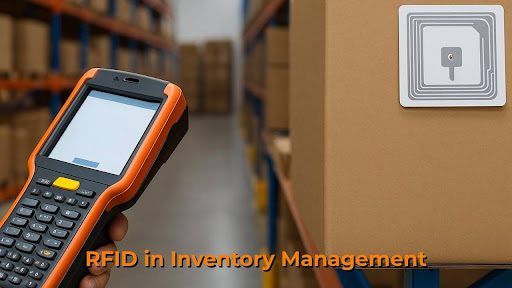
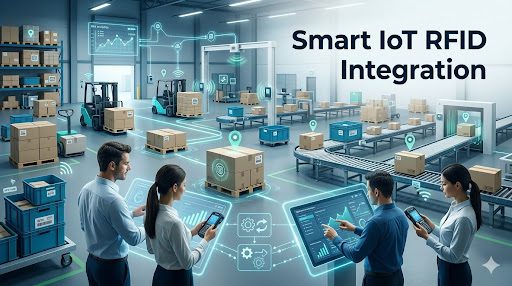
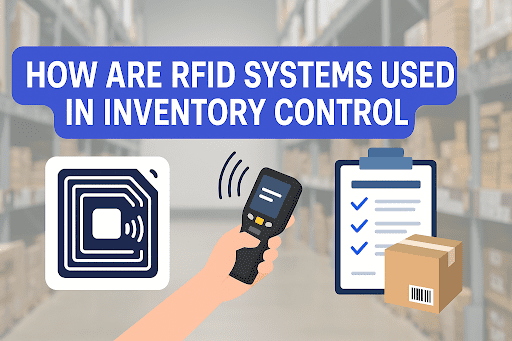
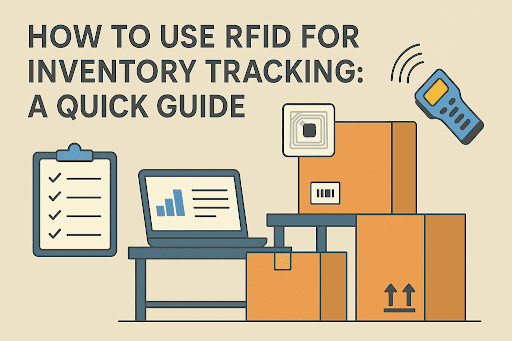
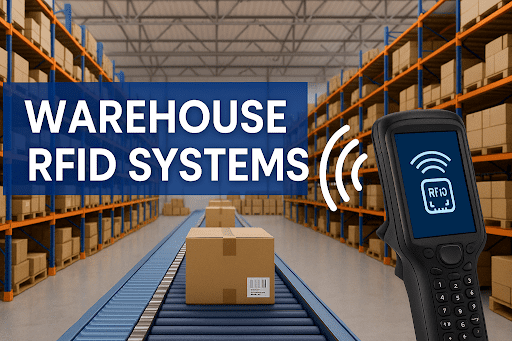
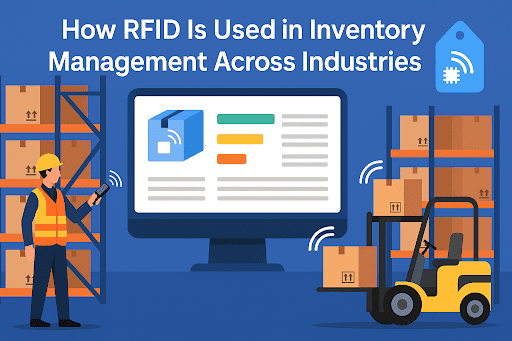
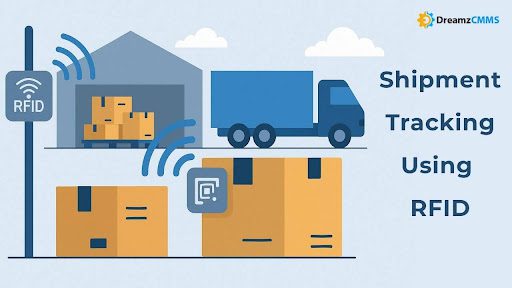
RFID technology has transformed supply chain management, providing real-time ‘on the move’ visibility of consignments as they transit warehouses, distribution centres and move by truck, sea in containers and train. Information printed on RFID tags that are dynamically read from pallets or cartons can be read on the fly as they are driven quickly through points such as dock doors. This saves time, labour, error and cost normally associated with traditional manual data entry. Read RFID Inventory Management solution to learn more.
RFID Technology Retail Applications
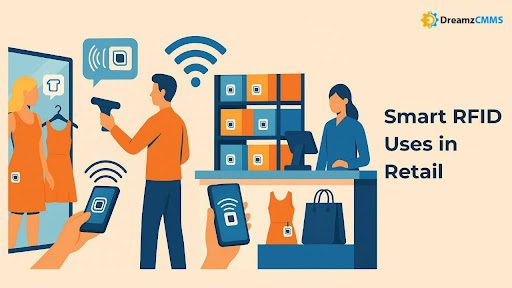
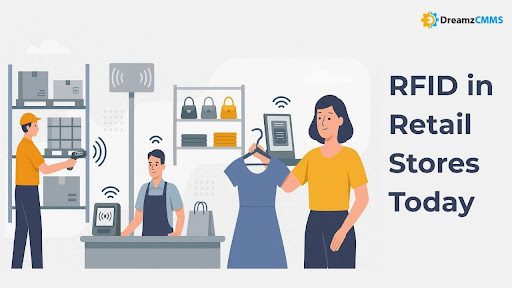
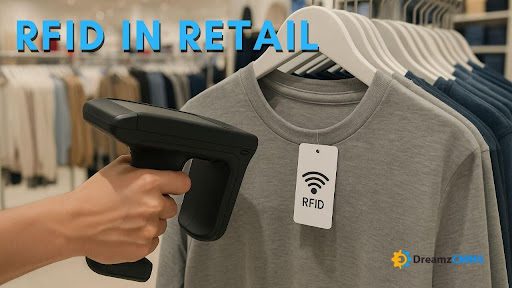
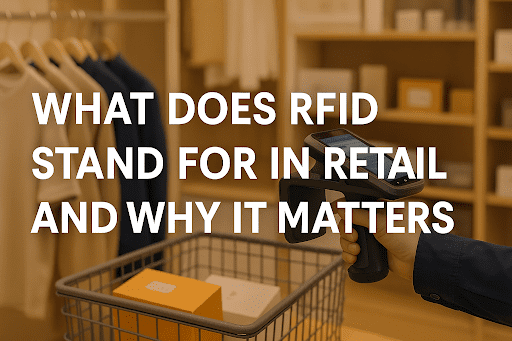
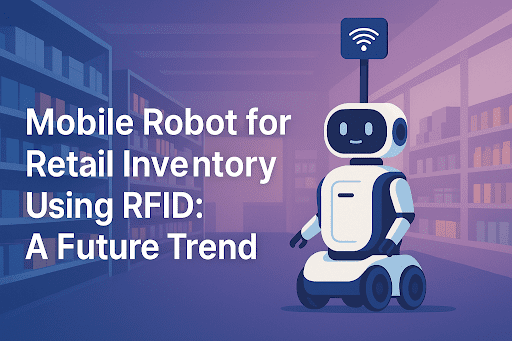
The retail applications of RFID technology are growing at an exponential rate and apparel and fashion have become the primary target of RFID tags. In fact, apparel and fashion is one of the largest growing areas for RFID applications and some of the largest retailers, such as Zara, Marks & Spencer and Walmart are using RFID tags to tag individual apparel products as well as other retail products. RFID automation is a fast, efficient and accurate way to do inventory counts, often completing the count in just a few days.
The benefits that an item-level RFID program can bring to the retailer are many, including reducing out-of-stock incidences, improving the replenishment process, reducing shrinkage through integration with the retailer’s loss prevention processes, and improving the customer experience by providing a faster checkout process and accurate online inventory.
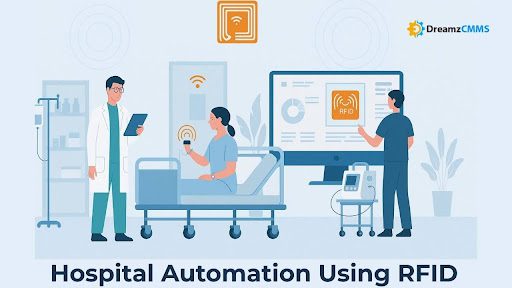
RFID Technology in Healthcare
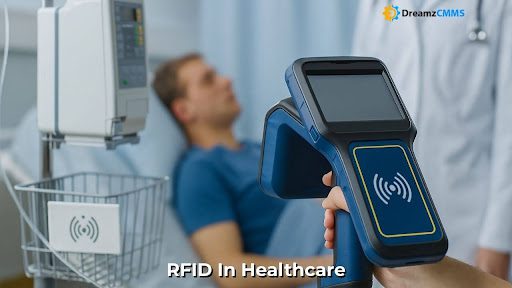
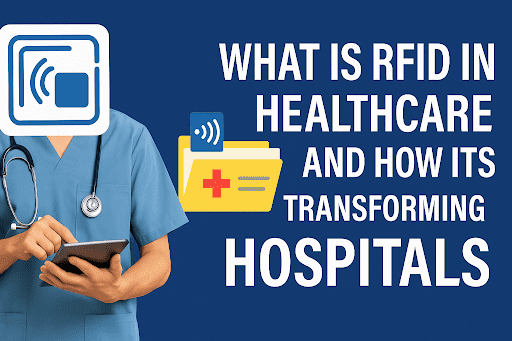
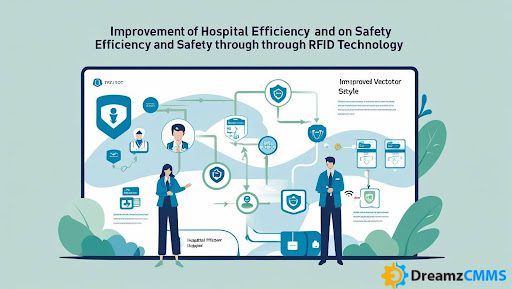
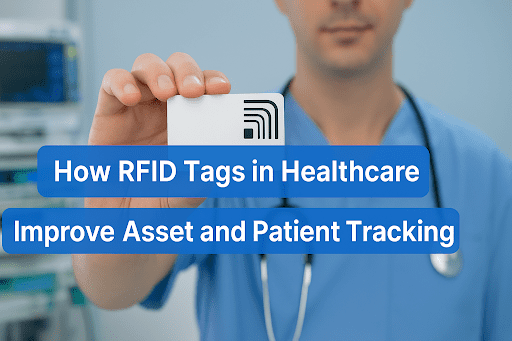
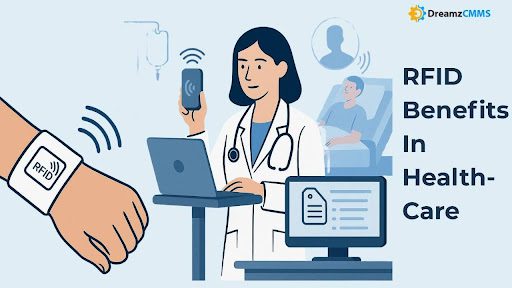
The healthcare industry is turning more and more to Radio Frequency Identification (RFID) technology to make medical equipment and devices easier and safer to use for patients. RFID can precede batches of equipment such as infusion pumps, wheelchairs and defibrillators to patient rooms, saving time for clinical staff. RFID can also be used to track expensive reusable medical instruments such as operating room microscopes and suction line pumps. RFID can also be used to track patient wristbands and paper charts to make the process more efficient.
Apart from retail, RFID technology is applied in tags and labels in the healthcare industry for patient tracking, verification of prescription fulfillment, and controlling blood product inventory. For more information on RFID applications in the healthcare industry. For a detailed look at healthcare use cases, visit our RFID Solution for Healthcare.
RFID Technology in Manufacturing and Asset Tracking
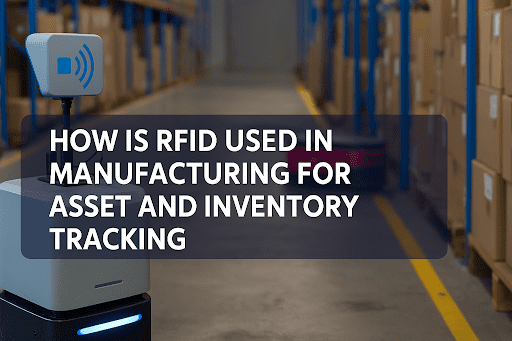
In manufacturing, RFID is used to track work-in-progress products, validate build steps, and verify the proper sequence of component usage. RFID asset tracking automates a process that needed to be manually entered on the manufacturing floor, eliminating errors and increasing accuracy and accountability.
Our RFID Asset Tracking Software allows organisations to tag physical assets and automate the capture of usage data, maintenance history, and location information. Combined with
RFID Platform – Workflow Automation, businesses can trigger maintenance work orders and compliance checks automatically when assets are scanned.
Benefits of RFID Technology
RFID systems bring many advantages to organisations. Continue reading to learn how RFID can help your business.
Fast & Efficient
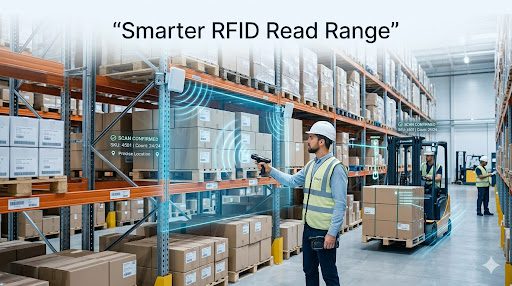
RFID readers have a long signal range so one good reader can read hundreds of RFID tags per second, even if they are not in direct view.
Precision
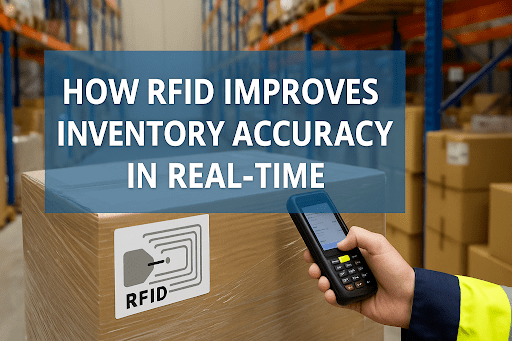
Manual entry and traditional bar code scanning are both prone to failure. RFID, on the other hand, reduces error significantly by enabling automated data capture. Hence, inventories are 99+% accurate compared to lists maintained by hand. Average accuracy on manual lists is 65-75%.
Real Time Visibility
RFID provides immediate visibility of tagged products, inventory, or assets and their status. Real-time information pays immediate dividends such as faster and better decision-making, improved service levels, and quick resolution of problems as they arise. Read- RFID Inventory Accuracy with Asset Tracking Software.
Cost-Savings
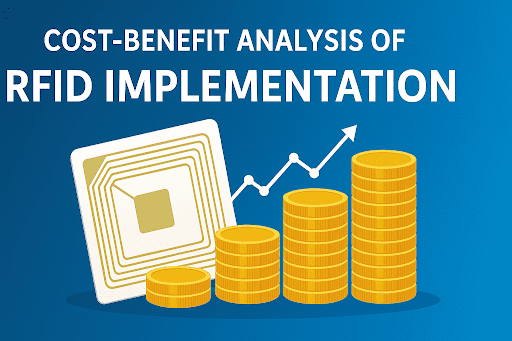
There is an initial investment to create an RFID infrastructure, but this is quickly compensated for by savings in labor, inventory losses, costs of unnecessary emergency equipment purchases due to not knowing what is on hand, and lower maintenance costs due to better scheduling.
Scalability
One characteristic of the RFID systems is their great scalability. If you are managing 500 items in your database and as your operations scale to 5 million items, then tags, readers and antennas can be added to cope with the increased volume of items in the database without having to change the basic system setup.
Advantages and Disadvantages of RFID Technology
Like any technology, RFID does come with some limitations and like any large investment, it is wise to understand the pros and cons of RFID technology before investing in the system.
Benefits
- No line of sight needed for reading
- Multiple tags can be read at the same time
- Our rugged tags are very durable and can endure rugged environments. They resist moisture, heat, chemicals and anything else you throw at it.
- Reduces manual work and associated errors
- Real-time tracking and automation enabled
- Active RFID Long Read Ranges
Downsides
- More expensive up front than barcodes
- Passive RFID tags can be adversely impacted by both Metal and Liquids. Between these two, Liquids can have the greatest impact on tag performance, due to the high signal attenuation caused by water. Liquids can cause attenuation up to 20 dB/m.
- Thinking hard about antenna and reader placement is a must with this technology.
- Tags may be more cost-effective than Barcodes for very large deployments.
- Data security and privacy issues to be addressed
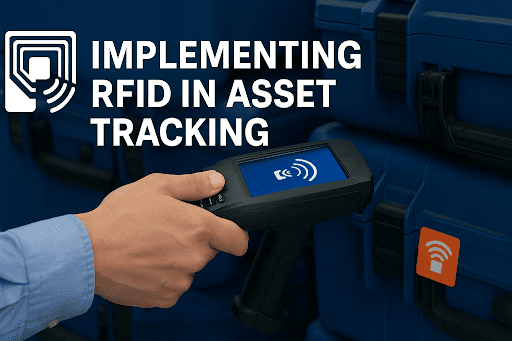
With a little foresight and a technology partner, all of these challenges can be overcome. Find out more in our Getting Started guide Implementing RFID in Asset Tracking.
Common Mistakes That Hurt RFID Implementation
Despite spending thousands of dollars or even millions of dollars on RFID tags and readers, many organizations do not realize the return on investment (ROI) they had anticipated—previously unchecked mistakes can plague the RFID implementation process.
- The position of the antenna. If placed poorly, you may experience varying read rates in different locations.
- No integration with existing ERP / CMMS systems. It means RFID data are useless.
- Using RFID tags that are not suitable for the specific material, asset, or environment for which they will be used.
- Not training employees on handheld RFID reader uses and functionality.
- That RFID be treated as a one-time project as opposed to an ongoing activity.
What is the great value to an organization? Great value comes to organizations that understand how to make RFID a natural part of their daily business processes. RFID integrates to asset management, workflow automation, ERP software, CMMS software and other systems. Organizations benefit by automating manual work and seeing information they previously had to manually look up or physically check for.
Conclusion
Radio frequency identification (RFID) uses radio wave technology to automatically identify and track tags attached to objects, or groups of objects. What many do not realize is that RFID is more than tag and track, and it can greatly impact how a company manages its assets, inventory, operations, and business processes.
Our RFID solutions have applications across a range of industries including supply chain and logistics management, retail, healthcare and manufacturing. With improved accuracy, increased efficiency, cost savings, compliance and real-time visibility, businesses benefit from a faster, simpler way of managing their business.
Whether you are just beginning to explore the world of RFID or are already utilizing RFID tags and readers across your facility or global supply chain, you will be faced with a multitude of choices. The choices for tags and readers are vast and often more difficult to choose than those found in traditional automatic identification. But by far the most important decision you can make regarding RFID automation is the choice of platform used to store, manipulate, and provide access to your RFID data.Want to see how DreamzCMMS delivers RFID visibility, asset tracking, and workflow automation all in one platform? Book your Free Demo today.




Subscribe to Our Newsletter
 100% SECURE
 We Respect Your Privacy
Ready for More?
Talk to one of our CMMS experts and see how DreamzCMMS can simplify your maintenance operations.
Book a free consultation