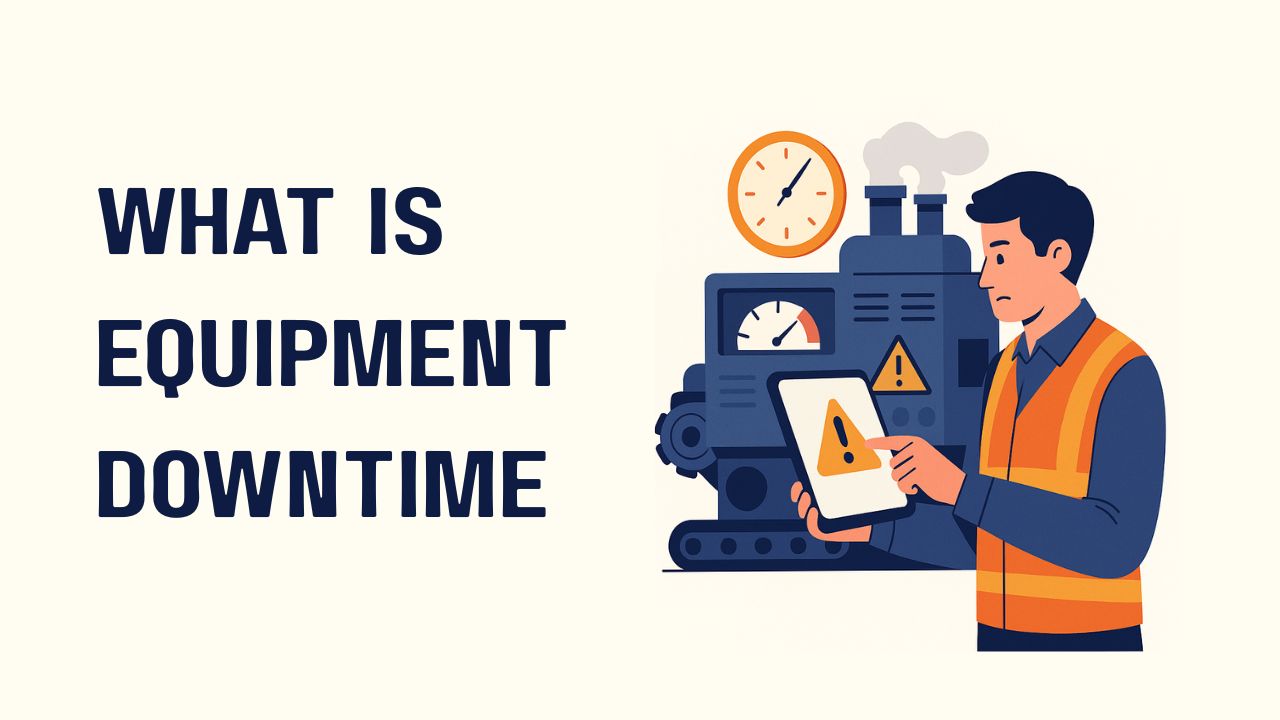
The basic equipment downtime definition is when systems, machinery, and production tools stop working and fail to produce output. Equipment failures either cause planned maintenance times or unanticipated downtime. Reducing unplanned downtime is more than a maintenance goal in today's industrial scene; it is a business need. Downtime disturbs operations, consumes profits, and hinders expansion, whether it be unexpected breakdowns or regular maintenance.
In short: equipment downtime is the time a machine or asset is unavailable because of planned maintenance or an unexpected failure. Track it as downtime hours divided by scheduled operating hours, find the causes behind it, and use preventive maintenance and a CMMS to keep it down.
Organizations are turning more and more to smart predictive maintenance plans and the Adoption of CMMS to monitor, analyze, and lower downtime across all equipment assets in order to manage this properly.
This blog defines equipment downtime, distinguishes between planned and unplanned downtime, addresses important metrics and reasons, and shows how strategic implementation of CMMS enables companies to attain uptime and dependability.
What is Equipment Downtime?
The basic equipment downtime definition describes the period when production tools and machinery, and systems stop working and fail to generate output. Equipment failures lead to either unplanned downtime or scheduled maintenance periods. One of the key benefits of this process is the ability to minimize downtime through real-time monitoring and proactive planning.
Downtime is classified into two primary categories:
Scheduled Downtime
Unexpected Downtime
Knowing these helps companies give maintenance processes top priority and control risks, particularly during or following CMMS installation. Thorough Equipment Downtime Analysis, which reveals trends, reasons, and development opportunities, is one effective approach to do this.
Want to Reduce Equipment Downtime and Boost Asset Reliability?
Discover how an intelligent adoption of CMMS and asset maintenance management software can transform your maintenance strategy.
Request a Free Demo of DreamzCMMS and start making data-driven decisions today!
Planned Downtime
Scheduled interruptions where assets are taken offline for a particular purpose, such as preventive maintenance or equipment upgrades, or planned downtime.
Typical Reasons for Planned Downtime:
Planned maintenance (PM)
Upgrades to software or hardware
Tasks of cleaning or calibration
Equipment changeovers or operator training
Usually included in a well-organized CMMS system, planned downtime guarantees the least disturbance and enhances long-term asset health.
Unplanned Downtime
Usually caused by breakdowns, faults, or human mistakes, unplanned downtime happens without notice.
Frequent Reasons for Unplanned Downtime:
Mechanical or electrical breakdown
Sensor or software faults
Operator errors
Environmental factors
Although unplanned downtime cannot be completely avoided, companies can greatly lower its incidence with appropriate planning, analysis, and CMMS deployment.
The Sources of Machine Downtime
The initial step to minimize machine downtime requires identifying its root causes. Human mistakes together with process inefficiencies produce most unplanned equipment shutdowns which generate operational losses.
1. Irregular or Missed Maintenance
Machine maintenance that occurs irregularly causes minor problems to evolve into major issues because they remain undetected. Equipment failure becomes more likely when maintenance schedules are ignored.
2. No Preventive Maintenance Schedule
The practice of fixing equipment only after breakdowns occurs leads to repeated system failures. Assets deteriorate more rapidly while performance worsens because preventive strategies remain undefined.
3. Delayed Technician Response
Technicians who lack immediate access combined with unclear work order paths lead to longer repair times. Every extended minute used for response work results in longer downtime periods that produce reduced productivity.
4. Poor Communication Between Departments
Operations and maintenance teams along with inventory teams must maintain proper connection to diagnose and resolve problems efficiently. The absence of clear communication results in service updates being missed and reporting gaps appear.
5. Absence of Equipment Failure Response System
A breakdown in structured reporting and assignment and resolution procedures leads to both unattended and unresolved issues. Such organizational breakdowns result in multiple repeated downtime events.
6. Inadequate Data Collection for Root Cause Analysis
The failure to track and analyze equipment breakdown data prevents the resolution of repeated problems. When maintenance teams lack access to historical data they tend to maintain their outdated approaches thus creating operational inefficiencies and elevated expenses.
The causes mentioned above can be actively prevented through the implementation of a single centralized CMMS system for downtime prevention. CMMS platforms provide automation and scheduling tools and real-time monitoring and reporting features that help teams eliminate downtime causes.
Why Equipment Downtime Matters
The price of downtime is incredible. Depending on the industry and asset criticality, studies indicate equipment downtime expenses might run into thousands of dollars every hour.
Impacts Include:
Production delays
Missed SLAs
Increased repair and labor costs
Damaged reputation
Lower customer satisfaction
A successful Adoption of CMMS helps in equipment downtime tracking, making these hidden costs visible and manageable.
Key Equipment Downtime Metrics
Tracking and optimizing maintenance requires data. CMMS systems empower you with clear visibility into equipment downtime metrics like:
Total Downtime
Mean Time Between Failures (MTBF)
Mean Time to Repair (MTTR)
Downtime Frequency
OEE (Overall Equipment Effectiveness)
Including these measures in your CMMS setup creates a basis for intelligent decision-making and ongoing development.
Equipment Downtime Calculation Process
Determining its real effect is fundamental to downtime control.
Downtime (%) = (Total Available Time / Total Downtime) x 100
Most CMMS systems include this formula, which is commonly applied during the Adoption of CMMS stage to baseline performance and establish future objectives.
Analysis of Equipment Downtime
Analysis of equipment downtime reveals recurrent failure points and underlying causes. Often included in CMMS systems, analytical dashboards show trends and help with more intelligent planning.
Benefits:
Identify high-risk equipment
Spot trends across departments or shifts
Allocate budget and manpower effectively
Track downtime causes by type, machine, or location
Robust Adoption of CMMS ensures this analysis becomes part of your ongoing schedule maintenance strategy.
Tracking Equipment Downtime Using CMMS
One of the main advantages of the Adoption of CMMS is its capacity to automate and simplify downtime monitoring.
Features Include:
Real-time alerts for downtime events
Auto-generated reports
Integration with sensors and IoT for condition-based tracking
Historical log of breakdowns and repairs
This not only aids in daily operations but also promotes long-term equipment lifecycle management and meaningful Equipment Downtime Reduction.
How CMMS Tools Help Reduce Equipment Downtime
A CMMS platform provides simple maintenance operations while offering complete visibility into asset conditions. A CMMS platform provides multiple ways to decrease equipment downtime from manufacturing through its entire life cycle.
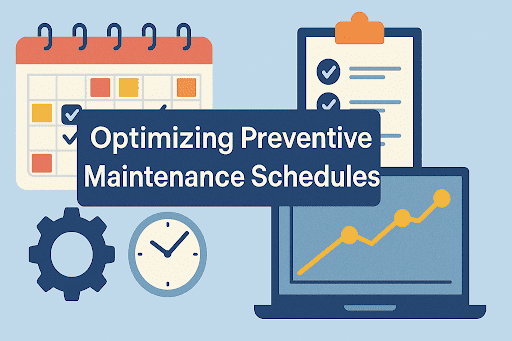
1. Preventive Maintenance Scheduling
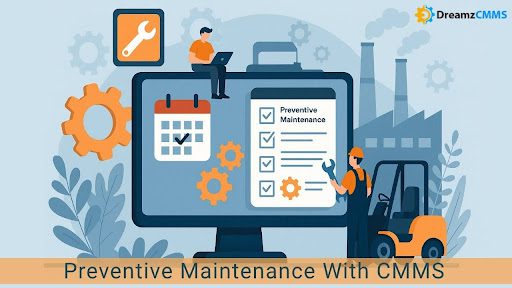
A CMMS system enables organizations to schedule and track preventive maintenance (PM) operations. The system uses time-based assignments as well as usage records and sensor signals to perform automatic task distribution.
Benefits:
Eliminates guesswork
Reduces emergency repairs
Improves long-term asset health
Minimizes maintenance-related downtime
2. Downtime Tracking Software
A CMMS operates as a superior downtime tracking software that records all incident details including root causes and resolution times along with incident durations. The system enables the analysis of failure patterns.
Benefits:
Create detailed downtime logs
Review asset failure history
Build performance benchmarks
Populate the downtime reporting dashboard!
3. Real-Time Downtime Alerts
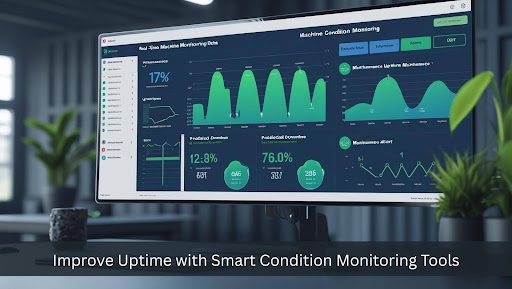
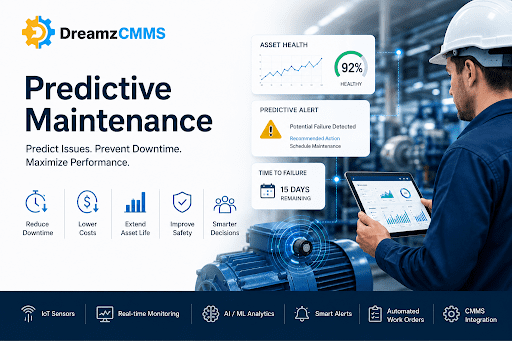
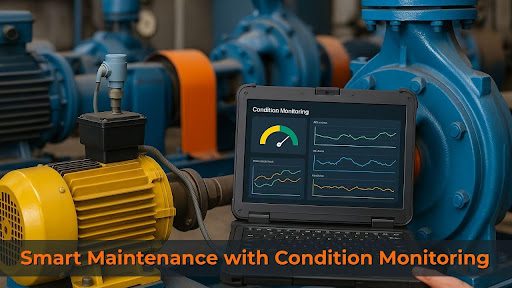
The current generation of CMMS platforms establishes connections with IoT sensors to detect equipment downtime. The sensors keep track of equipment states to detect deviations which trigger immediate real-time alerts.
Impact:
Enables early issue detection
Prevents critical system failures
The immediate response capability through this system leads to shorter equipment downtime periods.
4. Breakdown Tracking System
CMMS tools include a breakdown tracking system that enables automated maintenance workflow management. After receiving an issue report the system performs the following sequence:
Logs the breakdown
Assigns a technician
Tracks resolution time
Updates asset history
The equipment failure response process becomes more efficient.
5. Asset Performance Monitoring
CMMS tools provide powerful asset performance monitoring by integrating with IoT and sensor data. Real-time visibility of usage patterns together with wear indicators and predictive analytics is made possible through this system.
Result:
Better decision-making
Identifies underperforming assets
Extends machine lifespan
6. Spare Parts & Inventory Management
Delays in operations typically stem from insufficient availability of spare parts. CMMS tracks inventory levels automatically while sending low stock alerts which trigger reorder requests.
Advantages:
No last-minute procurement
Avoids downtime from part unavailability
Reduces costs from overstocking
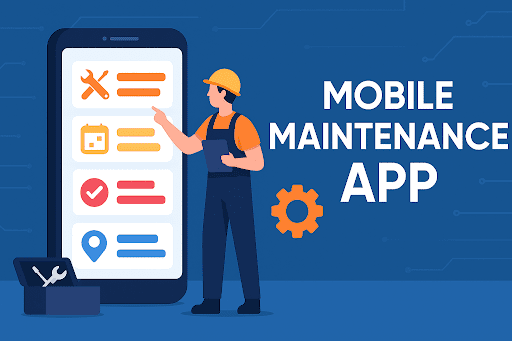
7. Mobile CMMS Access for Field Technicians
Technicians who use CMMS mobile applications gain access to maintenance records and work order completion tools with real-time progress updates.
Benefits:
Faster field service response
Remote issue diagnosis
Field productivity improves through this system which shortens production downtime.
8. Downtime Reporting Dashboards
The centralized downtime reporting dashboard presents visual reports together with real-time charts and historical comparisons which help stakeholders make better asset strategy decisions.
Dashboard Insights:
Live alerts and failures
Weekly/monthly downtime stats
Technician performance analytics
Spare part usage trends
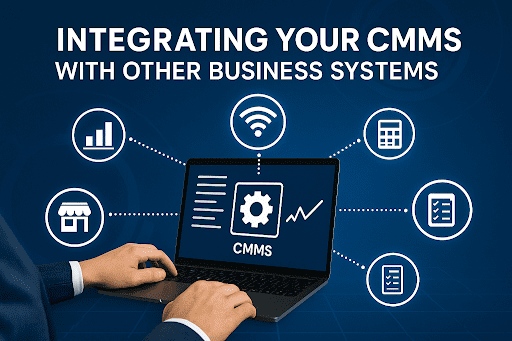
9. Integration with Rental Equipment Operations
When managing equipment rentals the occurrence of downtime negatively affects both customer satisfaction and revenue levels. A CMMS connected to Asset Rental Management Software provides:
Reducing downtime calls for a mix of strategy, tools, and discipline.
Top Tips:
Implement a CMMS Centralized tracking, notifications, and scheduling assist in removing forgotten maintenance activities.
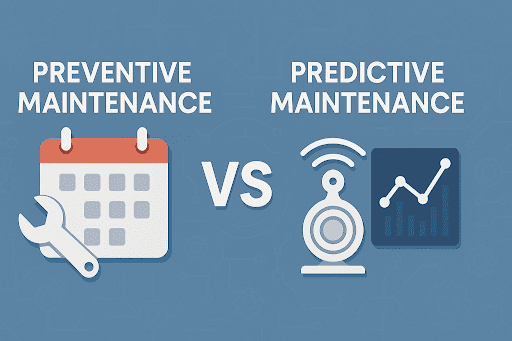
Plan Preventive Maintenance (PM) Proactively maintaining assets will help you avoid reactive repairs.
Train Operators and Technicians Proper training reduces human errors, a major cause of equipment downtime.
Use IoT and Condition Monitoring Monitor real-time vibrations, temperature, pressure, and other parameters to find early warning indicators and reduce machine downtime before it becomes critical.
Maximize Spare Parts Inventory Use CMMS-based inventory controls to keep critical parts in stock.
Any successful Adoption of CMMS depends on these actions since they help data-driven decision-making and continuous performance enhancement.
Comparing Planned vs. Unplanned Downtime
Feature
Planned Downtime
Unplanned Downtime
Occurrence
Scheduled and managed
Unexpected and disruptive
Purpose
Maintenance, upgrades, safety checks
Failures, breakdowns, operator errors
Cost Impact
Predictable and budgeted
High and unpredictable
Control Level
High – Strategically managed
Low–Reactive response
Tools Used
CMMS, SOPs, planning tools
Emergency repairs, diagnostics
Effect on Production
Minimally disruptive
Highly disruptive
Real-World Example: Adoption of CMMS in Manufacturing
Examining a real-world situation will help us to grasp how much the correct Adoption of CMMS matters.
Case Study: Plant for Automotive Manufacturing
One of the top makers of automotive components had consistent downtime on its robotic assembly lines. Nearly every week, equipment breakdowns, insufficient spare parts, and inadequate records caused unplanned shutdowns affecting deliveries.
After implementing a CMMS platform, the organization was able to:
Set up preventive maintenance schedules for all robotic arms.
Track component-level performance and automate spare part reordering.
Log detailed downtime incidents for better root cause analysis.
Use mobile access for real-time issue resolution on the shop floor.
Within six months, unplanned downtime was reduced by 40%, saving over $300,000 in lost production time.
Best Practices for Adoption of CMMS
Installing a CMMS is about matching individuals, processes, and technology, not only software. These important best practices will guarantee success:
Define Clear Objectives
Get Stakeholder Buy-In
Conduct Asset Audit
Clean and Migrate Data
Train Your Team
Start Small, Scale Fast
Measure Success
All these are core elements of a strategic and successful Adoption of CMMS.
Industry Applications of the Adoption of CMMS
CMMS isn’t limited to manufacturing. It has valuable applications across industries:
Healthcare: Reduces medical equipment failure.
Facilities Management: Maintains HVAC and critical infrastructure.
Utilities: Tracks substation and grid maintenance.
Food & Beverage: Ensures compliance and cooling system uptime.
Final Reflections: Using CMMS to Open Uptime
Companies that give uptime, efficiency, and data-driven maintenance top priority in Industry 4.0 have a significant advantage. Managing equipment downtime efficiently is a business-critical task from reducing production losses to enhancing asset lifetime and safety compliance.
But doing this by hand is no longer feasible.
A strong Adoption of CMMS gives your team the tools, information, and automation required to take control. A well-planned CMMS rollout can lower downtime, increase team responsibility, and optimize ROI, whether you are a manufacturing behemoth, a facility manager, or a healthcare provider.
Ready to Future-Proof Your Maintenance with the Adoption of CMMS? Say goodbye to costly unplanned downtime and hello to operational efficiency. Book a Personalized Consultation with DreamzCMMS and see how we help companies like yours achieve seamless equipment downtime reduction. DreamzCMMS helps you: ➤ Implement preventive maintenance for better uptime ➤ Monitor machine performance in real-time ➤ Reduce unplanned downtime and repair costs ➤ Optimize production schedules and improve efficiency Do not wait for the next breakdown. Start increasing your machine uptime today with smarter, preventive maintenance strategies. Your team, your equipment, and your production goals will thank you. Schedule a free consultation or demo with our DreamzCMMS experts now.
Equipment downtime: frequently asked questions
What is equipment downtime?
Equipment downtime is any period when a machine or asset is not available to do its job, whether it is stopped for planned work or by an unexpected failure. It is usually tracked in hours and recorded with a reason, so teams can see where production time is lost.
What is the difference between planned and unplanned downtime?
Planned downtime is scheduled in advance, for example preventive maintenance, inspections, calibration or changeovers. Unplanned downtime happens without warning, such as a breakdown, a power failure or a part failing. Planned downtime is easier to control and is usually shorter and cheaper than unplanned downtime.
What are the main causes of equipment downtime?
Common causes include missed or irregular maintenance, no preventive maintenance schedule, worn or failed parts, operator error, poor spare parts availability, lack of asset history and delayed repairs. Recording a reason code for every stoppage shows which causes happen most often.
How do you calculate equipment downtime?
Downtime percentage is downtime hours divided by scheduled operating hours, multiplied by 100. Availability is 100% minus that figure. For example, if a machine was scheduled to run 200 hours and was stopped for 10 hours, downtime is 5% and availability is 95%.
How can you reduce equipment downtime?
Plan preventive maintenance before failures happen, use inspections and meter or sensor readings to catch problems early, keep critical spare parts in stock, train operators and review repeat failures. See our guides on preventive maintenance and condition-based maintenance.
How does a CMMS help reduce equipment downtime?
A CMMS schedules preventive work automatically, creates and tracks work orders, records every stoppage and repair against the asset, and shows which equipment fails most. With that history teams can plan work around production instead of reacting to breakdowns. Book a free demo to see it with your own equipment.
FAQ
Q1: How long does a CMMS installation take? A: Usually 4–12 weeks, depending on company size and preparation.
Q2: Can CMMS cut unplanned as well as planned downtime? A: Certainly, it helps to forecast unplanned failures and maximize planned activities.
Q3: What metrics can it track? A: MTTR, MTBF, OEE, total downtime, etc.
Q4: Is CMMS just for big businesses? A: No, small and medium-sized enterprises gain just as much.
Q5: Which CMMS is best for me? A: Give mobile access, analytics, support, and scalability top priority among features.
We use cookies on our website to give you the best experience by remembering your preferences and repeat visits. By clicking “Accept All”, you consent to the use of ALL the cookies. However, you may visit "Cookie Settings" to provide a controlled consent.
This website uses cookies to improve your experience while you navigate through the website. Out of these, the cookies that are categorized as necessary are stored on your browser as they are essential for the working of basic functionalities of the website. We also use third-party cookies that help us analyze and understand how you use this website. These cookies will be stored in your browser only with your consent. You also have the option to opt-out of these cookies. But opting out of some of these cookies may affect your browsing experience.
Necessary cookies are absolutely essential for the website to function properly. These cookies ensure basic functionalities and security features of the website, anonymously.
Cookie
Duration
Description
cookielawinfo-checkbox-analytics
11 months
This cookie is set by GDPR Cookie Consent plugin. The cookie is used to store the user consent for the cookies in the category "Analytics".
cookielawinfo-checkbox-functional
11 months
The cookie is set by GDPR cookie consent to record the user consent for the cookies in the category "Functional".
cookielawinfo-checkbox-necessary
11 months
This cookie is set by GDPR Cookie Consent plugin. The cookies is used to store the user consent for the cookies in the category "Necessary".
cookielawinfo-checkbox-others
11 months
This cookie is set by GDPR Cookie Consent plugin. The cookie is used to store the user consent for the cookies in the category "Other.
cookielawinfo-checkbox-performance
11 months
This cookie is set by GDPR Cookie Consent plugin. The cookie is used to store the user consent for the cookies in the category "Performance".
viewed_cookie_policy
11 months
The cookie is set by the GDPR Cookie Consent plugin and is used to store whether or not user has consented to the use of cookies. It does not store any personal data.
Functional cookies help to perform certain functionalities like sharing the content of the website on social media platforms, collect feedbacks, and other third-party features.
Performance cookies are used to understand and analyze the key performance indexes of the website which helps in delivering a better user experience for the visitors.
Analytical cookies are used to understand how visitors interact with the website. These cookies help provide information on metrics the number of visitors, bounce rate, traffic source, etc.
Advertisement cookies are used to provide visitors with relevant ads and marketing campaigns. These cookies track visitors across websites and collect information to provide customized ads.



 BACK TO Blog