 BACK TO Blog
Asset Rental Management
Asset Maintenance
What Is Asset Lifecycle Management and Why Does It Matter?
- April 22, 2026
- DreamzCMMS Team
- 13 minutes read
- April 22, 2026
- DreamzCMMS Team
- 13 minutes read
Asset Lifecycle Management (ALM) organises, manages, and makes better decisions for the life of an asset. By structuring the asset lifecycle into a series of defined phases, organisations can analyse, manage costs, and make better decisions at each point of the asset’s development.
To an organization, business assets like medical equipment, rental equipment, ambulances, buses, fire trucks, and service trucks represent more than just a fixed investment. They are put to active use on a day-to-day basis, need to be maintained over their lifetime, and eventually decommissioned and replaced. To achieve the maximum performance, life, and return on investment from an asset,
What Is Asset Lifecycle Management?
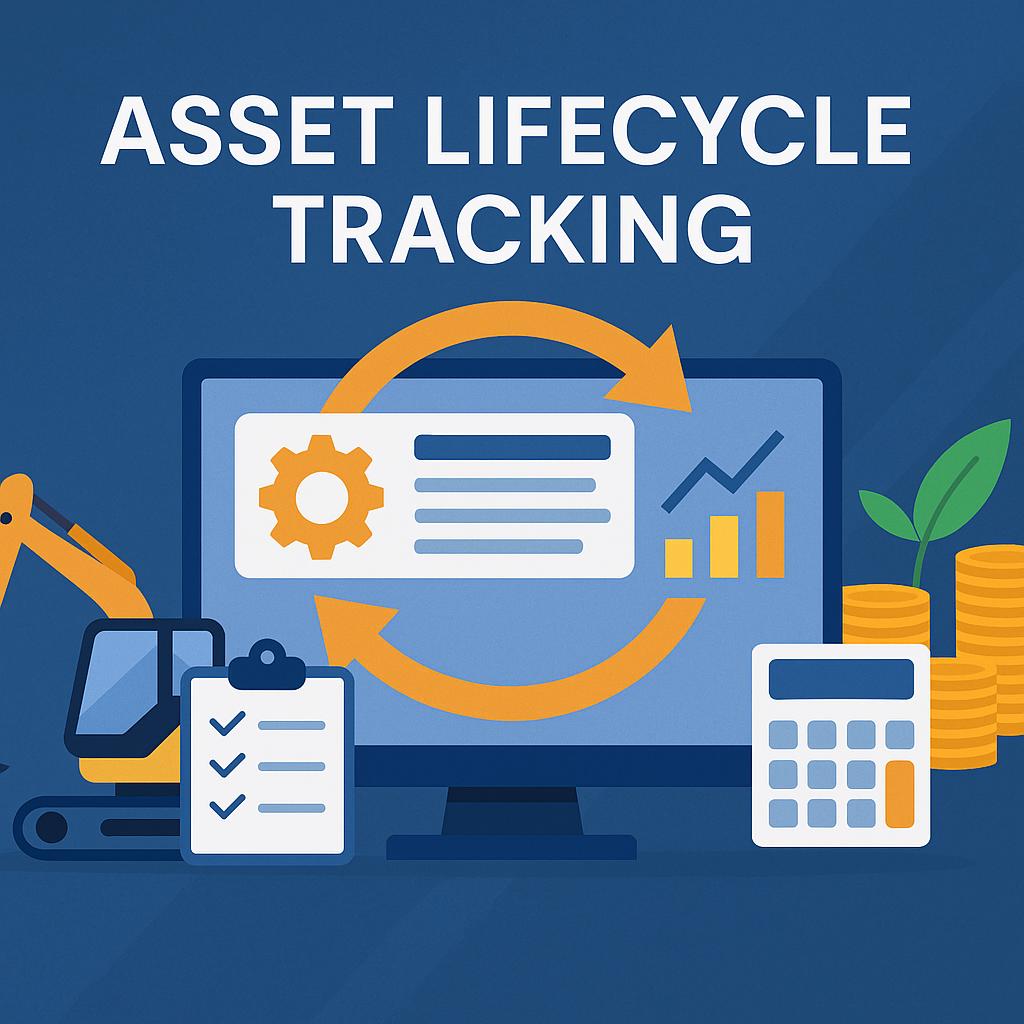
Asset lifecycle management (ALM) is the planned management of the asset lifecycle stages from need to disposal. It is more than just maintenance and includes strategic and operational decision making to maximise asset value across all lifecycle stages: acquire, use, maintain, monitor, dispose/replace.
When a business acquires an asset (e.g., a generator) to support its activities, the “cost of acquisition” is not just the up-front purchase price. It also includes the ‘warranty period’, ‘maintenance and repair costs over the lifecycle’, ‘operational costs such as parts and materials’, and the ‘point at which best risk reduction, cost saving, and return on investment is achieved by replacing/ upgrading the asset’. Managing the asset lifecycle is an important aspect of business, particularly in industries such as manufacturing, healthcare, logistics, facilities services, rental, and field service, where assets are expensive, critical, and highly impactful.
Why Asset Lifecycle Management Matters
Asset Lifecycle Management (ALM) is often misunderstood as simply ensuring assets and equipment are being utilised to their maximum capacity throughout the organisation. However, most do not realise that the true value that can be gained from effective management far exceeds this fundamental aim. Commonly, most people perceive the greatest cost of an asset to be the initial acquisition price; yet this is a small fraction of the true life time cost. The true cost far exceeds the initial capital expenditure.
Assets extract a cost in terms of time, energy, maintenance cycles and parts as well as hidden costs such as compliance issues. Monitoring the full lifecycle of assets provides a real understanding of the cost of ownership as well as identifying poor performing assets, repetitive maintenance tasks in order to make better, informed decisions regarding maintenance costs, upgrades and asset replacement.
In addition to planning for the long term, a lifecycle approach can also bring many benefits to day-to-day activities, by ensuring that the scheduling, maintenance practices, technician productivity, audit readiness and asset availability are optimised. It can even reveal poor work practices and operating conditions which are cutting the effective life of assets short.
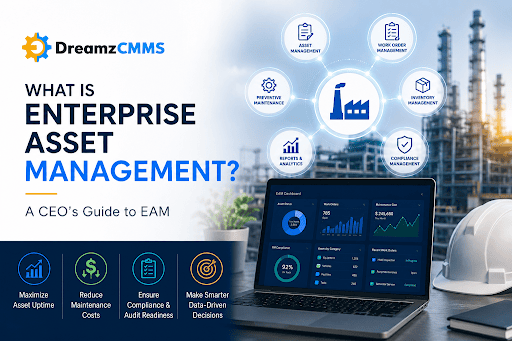
When supported by tools such as Asset Maintenance Management Software, organizations can centralize asset records, service history, cost tracking, and planned maintenance in one place. That makes lifecycle decisions far more accurate and less dependent on scattered spreadsheets or memory.
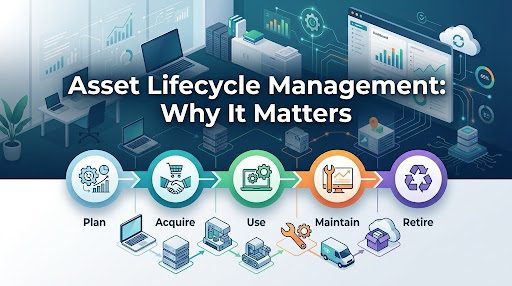
The 5 Main Asset Lifecycle Management Stages
So just to clarify, the asset lifecycle management process can be broken down into phases, but the names of these phases don’t have to be industry-specific and can be applied as a generic set of planning stages for assets within your company.
1. Planning
Our lifecycle service starts before an asset has been purchased. By planning the asset into service, we help the organisation to understand operational requirements, technical specifications, budget, and usage.
Planning your infrastructure migration is key to not overspending on a solution that may not quite make the cut for the longer term, but equally to not underspending on a solution that could be deployed in phases to ensure your business requirements are met.
2. Acquisition
The Acquisition Phase includes the purchasing, receiving, assembling, and installing the capital equipment, as well as the development and distribution of an operating manual. This is the time to acquire the "right" capital equipment at the "best" terms (warranty, price, financing, and terms and conditions).
Enter and set up asset records as soon as possible and fill out as much information as possible, such as the purchase date, serial number, life expectancy, services that need to be performed on the asset, and ownership. This information can help you keep track of your assets throughout their life cycle. Asset Warranty Tracking allows you to track the warranty information on an asset while you are in the purchase process.
3. Operation and Utilization
Lifecycle management begins with an understanding of the real-world usage of equipment and assets at your facility. Equipment that is overused can fail more quickly than intended, while underused capital is a wasted investment. But it starts with making sure plant and equipment are being fully and effectively used. Only by gaining an understanding of how your company is using its various pieces of equipment can you begin to distribute workloads and put your assets to their highest and best use.
4. Maintenance and Optimization
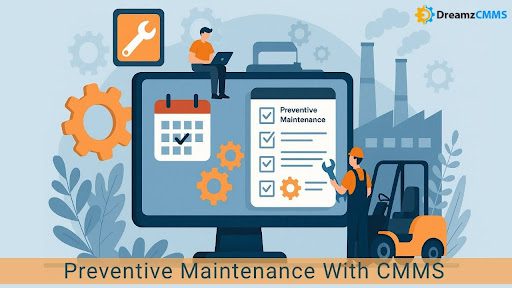
Maintenance is one of the cycles/phases that an asset goes through in its lifecycle. The way and level at which an asset is maintained affect the reliability and safety of the asset and extend its lifecycle. Other important aspects of maintenance are Preventive Maintenance, Inspection, Service History, Repairs, and replacing parts or components of the asset; Assessing the current condition and performance of the asset.
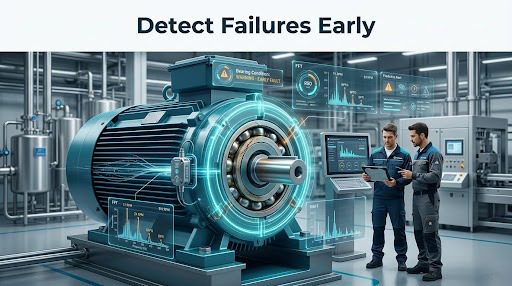
Maximise return on investment from lifecycle optimisation activities currently underway for current assets. There are trends in maintenance and condition data that can help prevent problems, reduce downtime, and optimise the lifecycle of your assets.
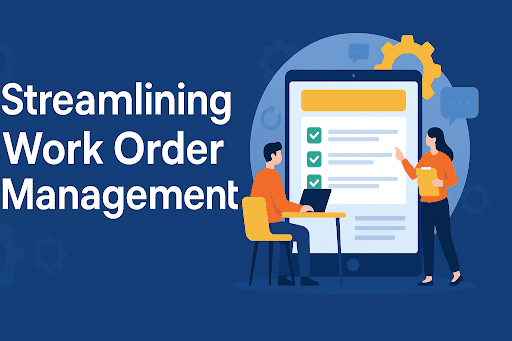
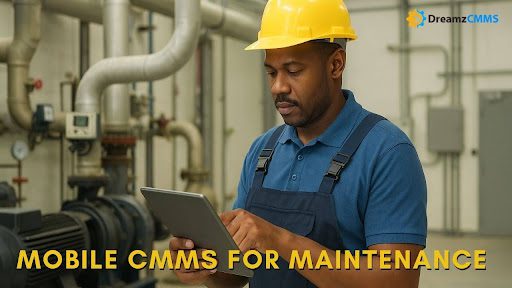
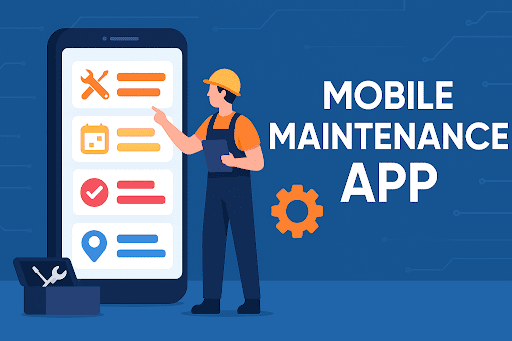
Take Your Mobile CMMS On The Road – Bring Lifecycle Work Execution To The Field – With Data’s mobile application, Field Service and Maintenance Technicians can complete and view work orders, view on-hand asset details and maintenance history from their mobile device. Help your organisation avoid problems, reduce downtime and optimise the lifecycle of your assets.
5. Retirement and Disposal
Every asset has a lifespan and at some point will need to be refurbished, replaced, sold, recycled, or retired. The lifecycle management of an asset’s retirement is critical.
Retiring an asset too early will result in your organisation losing the returns on the investment made in its development. Conversely, retaining an asset beyond its ‘use by’ date can risk failure and continue to incur ongoing costs in operation. The key is to get the timing just right, and a well-designed lifecycle program takes account of a variety of criteria to help determine this.
Asset Lifecycle Management Benefits
Asset lifecycle management is a way to manage assets to achieve better asset performance, manage risk and reduce cost over the life of the asset. By adopting a lifecycle approach to managing your assets, you can more effectively plan and execute maintenance activities over the lifecycle of the asset to maximise availability and minimise downtime. It will also enable you to make informed decisions about maintenance and repair as well as capital expenditure to purchase or upgrade to new assets when required. Hours of maintenance time can be saved and poor capital expenditure decisions can be avoided.
The tool also helps organisations to comply and meet their KPI’s / SLA’s by storing the service history and inspection history in a secure digital repository. This becomes very important during audits in various industries such as healthcare, pharmaceuticals, manufacturing, facilities services, and many others.
In addition, the asset lifecycle management feature of the tool helps organisations make informed decisions about maintenance assets by clearly defining the true cost of ownership. This, in turn, helps organisations maximise the value of maintenance activities by clearly identifying the activities that provide the greatest value and ensuring alignment of operations and finance to achieve optimal value across the lifecycle of assets.
What the Asset Lifecycle Management Process Looks Like in Practice
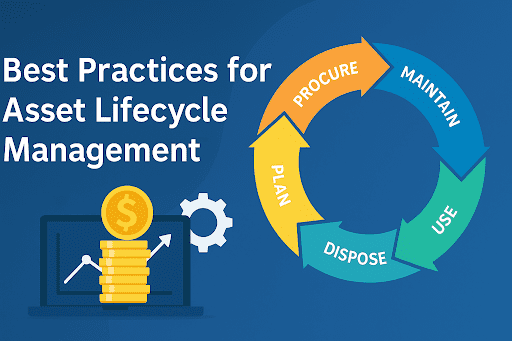
There is a common misperception that Asset Lifecycle Management is a 'one-off' event. In fact, the best approach is to consider the entire process as a continuous stream of activities, starting on the left and continuing through to the right. Firstly, we plan for the asset acquisition, followed by the acquisition activity itself, then the operation of the asset, then the maintenance of the asset, and finally the replacement of the asset. Replacement informs future planning.
Each asset should have a digital biography to record all relevant information as outlined above. This will inform future purchasing decisions and assist in improving operational utilisation and reliability.
In addition to organizing work activities by function, many organizations also organize work activities by stage of the Asset Lifecycle. This requires Asset Lifecycle Management Software to track performance, service history, maintenance schedules, and retirement planning. DreamzCMMS’s lifecycle platform tracks the assets through all stages of the lifecycle, from the point at which the organization purchases the asset to the point at which the asset is retired. The lifecycle module also tracks the assets' service history and usage history and schedules out future maintenance requirements.
Asset Lifecycle Management Best Practices
Asset lifecycle performance is not an accident. It happens when organized habits, clean, accurate data, and regular review are applied through all phases of the lifecycle. These simple asset lifecycle management best practices will ensure your organization reaches maximum asset performance.
Proper documentation and asset history are key aspects to be ensured from initial acquisition to final disposal. Abeo Consultant will clearly define the processes involved for the management of the asset throughout its lifecycle and explain these to stakeholders.
Create complete asset records from day one
Please ensure that you have all relevant documentation and/or specs prior to the start of the recording process. Please do not fail at the first hurdle by failing to record simple items of information such as the name and contact details of the supplier. Also please record the warranty details and original cost. The site location should also be recorded where appropriate. For equipment items such as Servers, Generators etc. please record the system serial number. Also please consider recording the estimated lifespan of the item and the required maintenance and how this will be reference during the recording process.
Standardize maintenance schedules
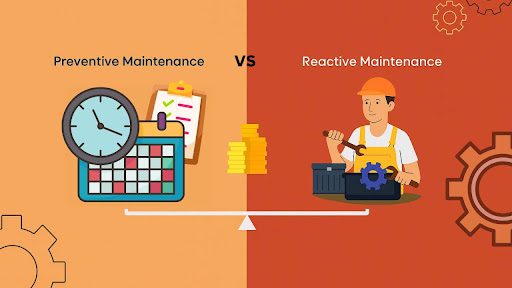
The preventive maintenance of items that require such maintenance should be based on a combination of their usage, condition and the number of times they have been cycled (ie. How many times they have been turned on and off). By keeping some items in maintenance mode, it may prevent other items from falling over at the worse possible time.
Use replacement thresholds
Define the criteria for when an asset will be reviewed for retirement from service. Common criteria include: repeated failure, increasing annual maintenance cost, decreasing reliability, and regulatory issues.
Review lifecycle performance regularly
Review points can be set at various points throughout the life of the asset. These review points can highlight where 'troublesome' assets exist within the fleet, allowing for long-term capital planning and forecasting. They can also assist in future procurement decisions (i.e., how will the existing fleet perform over the next 5-10 years). Review points typically occur on a quarterly basis for short-lived assets and on an annual basis for longer-lived assets.
For those interested in learning more about these processes, businesses can also view Asset Lifecycle Management Best Practices—these best practices for managing equipment throughout the Asset Lifecycle help to maximize return on investment.
The Role of Software in Lifecycle Success
Large Asset Programs are complex and have grown to the point where they can no longer be managed by simple spreadsheets. As asset volumes continue to rise, manual management of these assets creates bottlenecks, leads to incomplete and inaccurate data, and hampers intelligent decision-making.
Asset lifecycle management software solutions address these problems by incorporating maintenance, cost tracking and reporting, document management, scheduling, and lifecycle analytics into one software solution for optimum asset management. It enables users to determine current asset utilization, schedule maintenance and set reminders, view maintenance history for specific pieces of equipment, and determine the best time to replace them.
While it is true that some businesses operate under a model where maintenance is undertaken reactively, a CMMS like DreamzCMMS can help take the organisation’s management of assets listed on the company’s books to the next level by implementing a strategic maintenance lifecycle approach.
For organizations building a broader strategy, these related resources are also useful:
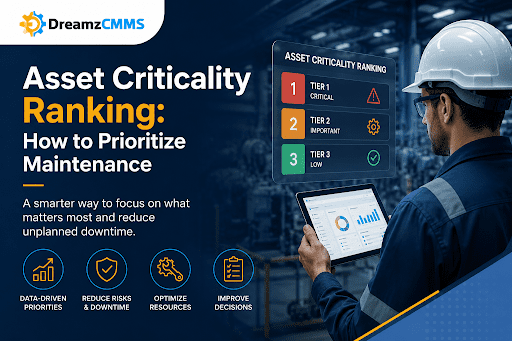
Asset Management Strategies,
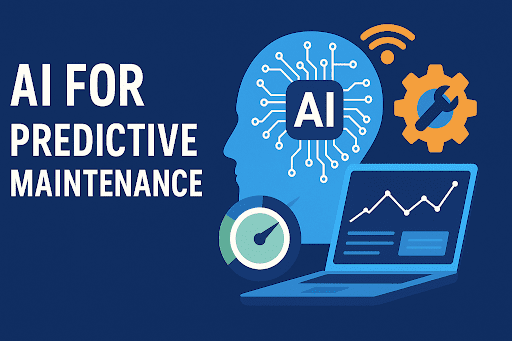
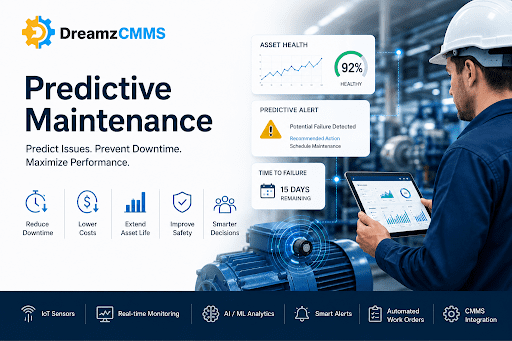
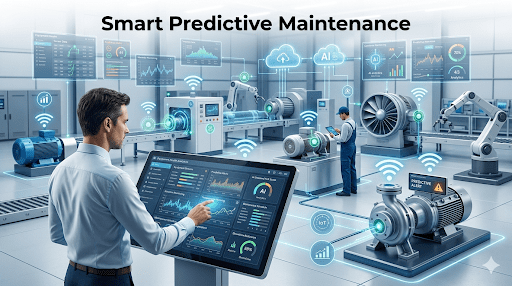
Predictive Maintenance Guide.
Common Mistakes That Hurt Asset Lifecycle Performance
Many think that purchasing lifecycle management (LCM) software solves their challenges, but the root of the problem may actually stem from a lack of visibility into required lifecycle actions, before they have even purchased and deployed the instrument and other assets to be managed. By the time that initial purchase is made, the original purchasing documents may have been filed away, lost in the mists of time. And this is not the only cost of poor LCM practices.
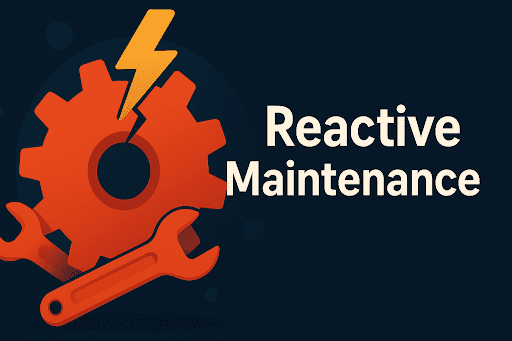
Another form of inefficiency is reactive maintenance, where teams work inefficiently by waiting until an item fails and then being unavailable for other work. Consider calculating the remaining life of an asset and then performing service to extract remaining value from the asset, or calculating the typical time between failures and performing maintenance on that schedule to get more life and savings out of an asset.
Recognizing the reasons an organization holds onto assets for extended periods is only part of the analysis: it is also important to examine how such delays or hasty purchases based on superficial repair assessment and operational requirements can reduce ROI.
Siloed departments within an organization create challenges beyond those typically acknowledged. For instance, the procurement department may have optimized the purchase price, but the maintenance department is concerned about downtime, and the finance department is concerned about depreciation. The underlying trade-offs required to realize Lifecycle value are often beyond the organization’s ability to integrate and optimize.
Conclusion
The term Asset Lifecycle Management refers to a process to understand the value embedded in the various stages of an asset’s life. Planning, acquiring, operating, maintaining, and disposing of assets all affect cost, reliability, productivity, and return on investment.
Life cycle management of assets is becoming more important as companies face greater pressure to control the performance of their assets, reduce downtime and associated costs, and manage their investment in capital assets. Managing assets through their life cycle can help to reduce waste, improve profitability, increase run time, optimise maintenance cost, and make better decisions on replacement or major capital investment.
Asset lifecycle management explained. Asset lifecycle management covers the entire asset lifecycle from acquisition right through to disposal, with full visibility, discipline, and data throughout. By managing your assets in this way, with effective processes and the right tools, businesses can turn a maintenance headache into a major asset.Want to see how PlantUM can deliver lifecycle visibility, maintenance planning, and asset control all in one platform? Book your Free Demo today.


Subscribe to Our Newsletter
 100% SECURE
 We Respect Your Privacy
 Ready for More?
Talk to one of our CMMS experts and see how DreamzCMMS can simplify your maintenance operations.
Book a free consultation