 BACK TO Blog
Asset Rental Management
RFID Asset Tracking
How Does RFID Work? Tags, Readers and Real-World Uses
- May 19, 2026
- DreamzCMMS Team
- 12 minutes read
- May 19, 2026
- DreamzCMMS Team
- 12 minutes read
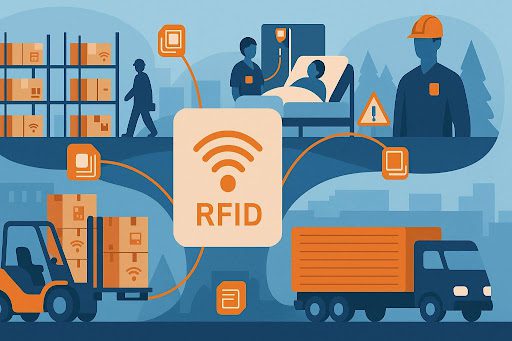
RFID, short for Radio Frequency Identification, is a wireless technology that is already used on a daily basis in daily life without us even noticing it. For example when you use your public transport ticket, when you go through a security gate at a shop or when you check in at a hospital. RFID is an invisible technology that is rapidly becoming more powerful. It enables modern supply chains, in hospitals and also for managing assets and inventory.
What Is RFID?
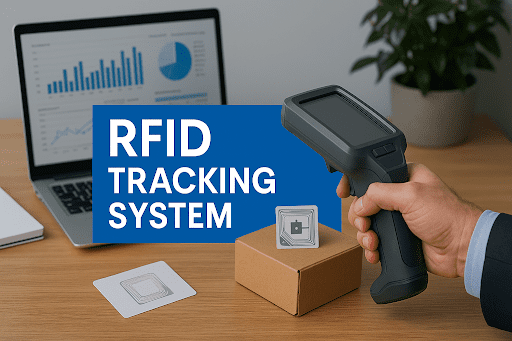
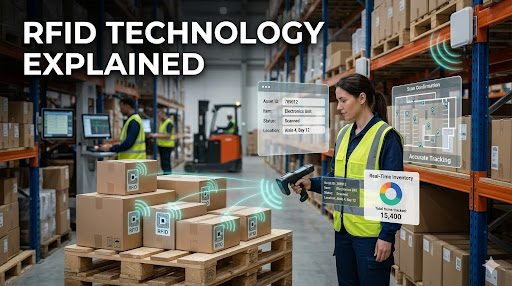
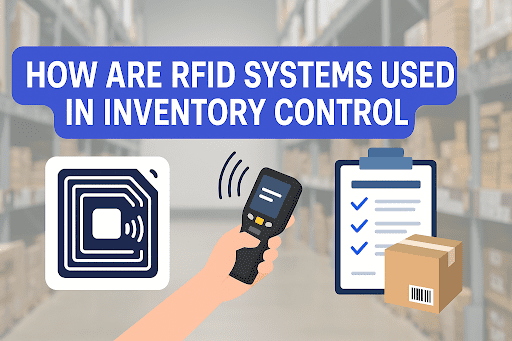
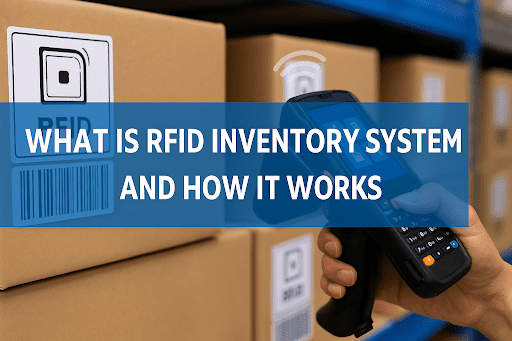
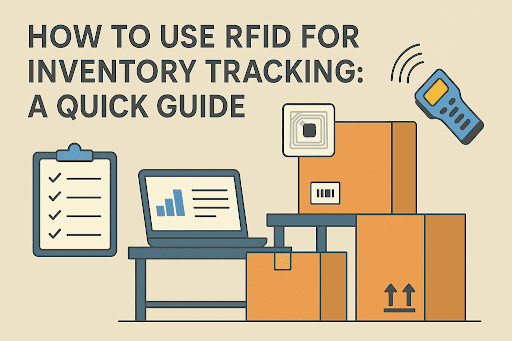
The general description of Radio Frequency Identification (RFID) or RFID technology is to use radio waves to identify and to track objects. To do this, RFID needs three components: tag or transponder, reader or an interrogator and software. In most cases the tags are attached to objects and the reader is connected to a computer with appropriate software.
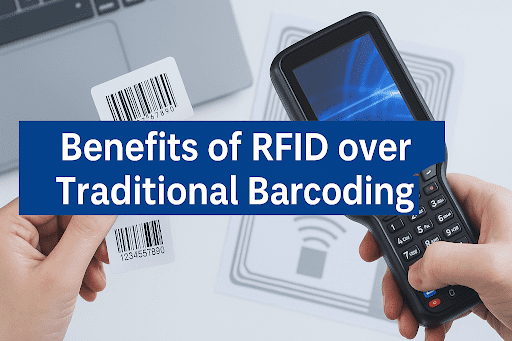
RFID systems are made up of 3 main components, the tag, reader and software, all working together to provide automatic identification and tracking of objects. This means that as products are moved from place to place through the supply chain, there is no need for manual scanning as with a barcode, objects can be read as they move through a facility without being in sight of a reader. Indeed multiple objects can be read at the same time even when they are contained within boxes or other items. Indeed the speed of reading RFID tagged objects is one of the key features that make the technology so powerful as it provides an elegant solution to many of the problems that have been created by older technologies.
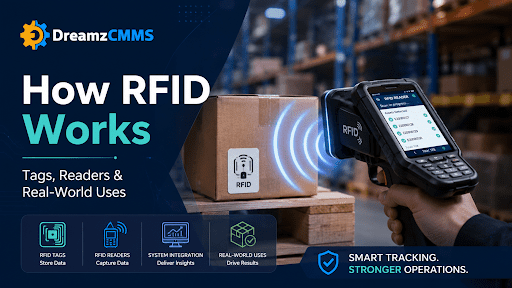
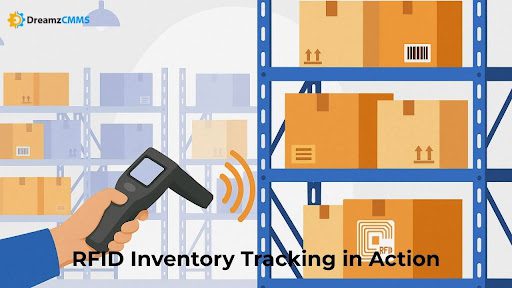
The process for how RFID works is fairly simple. First, a reader sends a radio signal. Then, the tag receives the signal and then sends the information that is stored on the tag. After that, the reader reads the information from the tag and then sends the information to software that processes the information to create action. The process can be done on a very large scale with hundreds of thousands of tags.
How Does RFID Work?
The antenna of the RFID reader is spread around the reader in an invisible field. Within this field, the RFID reader is able to read RFID tags.
A RFID tag’s antenna receives the energy that is transmitted by the reader’s antenna. As passive RFID tags are powered by the energy that is received by the reader’s antenna, the information, that is stored on the small internal microchips, can be read out. Active RFID tags on the other hand are powered by a battery and can be read outread from a larger distance than passive RFID tags.
Each time a passive tag is powered by a reader’s signal, the tag’s small chip reads the information which has been written onto the tag. This can be, for example, an Item ID or EPC number, or in more detail a Serial Number, Batch Number, or even Item Status. Passive RFID tags are easy to use, durable for long term use and have low maintenance, as there is no battery and no moving parts.
The tag’s antenna picks up the energy from the signal that is being sent by the RFID reader. This energy is what powers the passive RFID tag. Once the passive RFID tag has been powered by the energy that it has received from the reader’s signal, the small microchip inside the tag reads the information that has been stored in the tag’s memory. The information that is stored in the memory of passive RFID tags includes the item ID, the EPC number, the serial number, the batch number and the item status. Passive RFID tags are simple, long-lasting and low-maintenance as there is no battery in the tag and there are no moving parts.
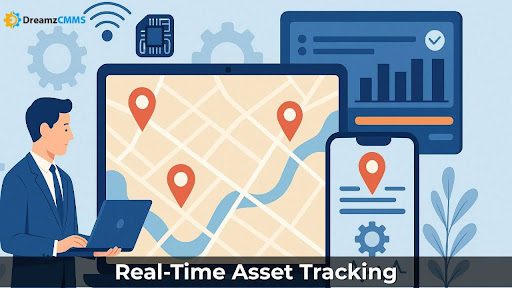
The RFID reader then transmits the data it has received to the relevant software (e.g. stock management, asset management, ERP system, workflow automation software, etc.). This software can then be used to update the current stock (e.g. based on serial numbers), to trace the movements of assets, to trigger maintenance etc. - in nearly real time.
RFID System Components Explained
Tags
The primary component of an RFID system is the tag. In simple terms, the RFID tag consists of a microchip and an antenna attached to a substrate. The substrate can consist of a variety of materials and can be flexible, such as paper, plastic, or fabric, or have a more rigid casing.
The RFID tags supported by the DreamzCMMS system are read-only, write-once, or read-write. Read-only tags are pre-programmed in the factory by the tag manufacturer and cannot be altered or updated after deployment. Write-once tags are written by the user at the time of deployment and cannot be altered or updated after that time. Read-write tags can be updated after deployment by the user.
Most RFID tags are used for tracking items. In many cases, read-write tags are used to record the condition, location, or service history of an asset. Read-only tags are best used for inventory tracking in stores, while write-once tags are useful for asset management and research studies where the tag data must remain constant for the duration of the study.
Readers and Antennas
A Reader and Antenna How It Works Question
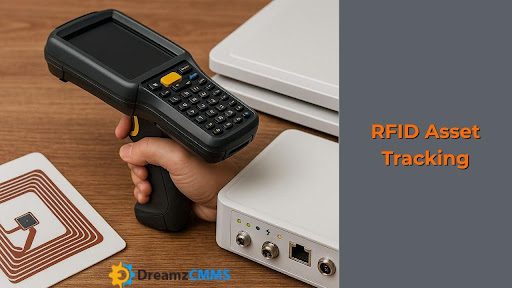
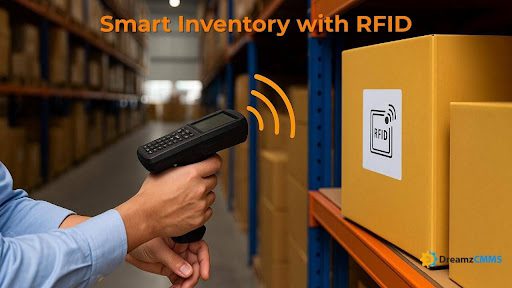
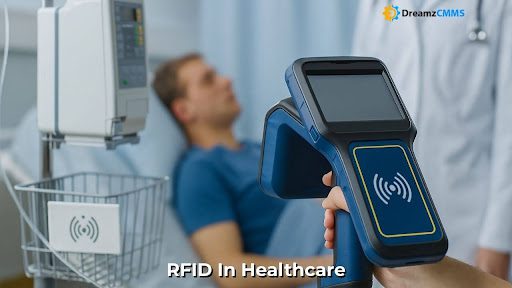
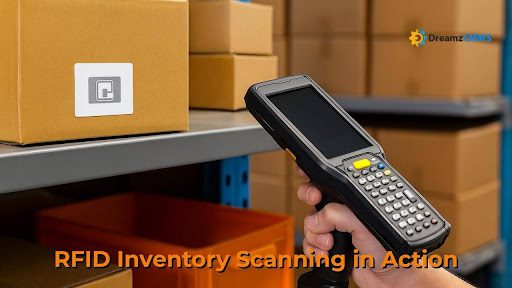
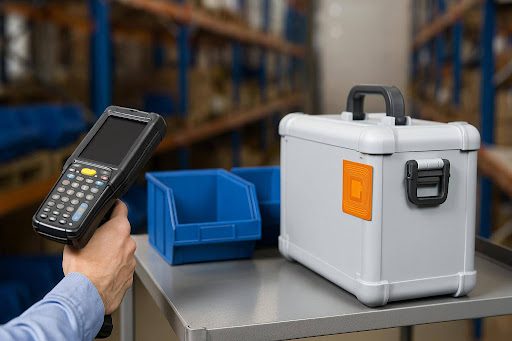
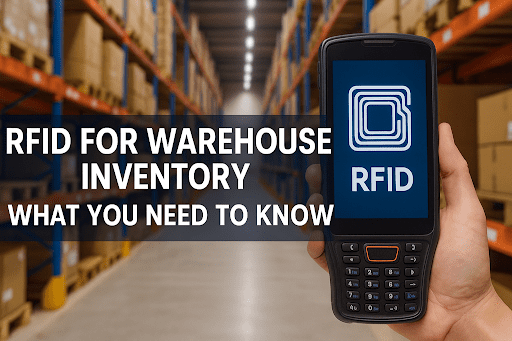
There are many different forms of readers for RFID systems. There are handheld scanners which are used for mobile inventory counting. There are also fixed RFID readers which are used as portal doors at warehouse entrances and as dock bays at warehouse loading bays. It is very important to get the best antenna array for the reader as a poor quality antenna will result in poor read rates for tags and create many ‘dead spots’. This will result in very poor system performance and will be far more problematic than any issues with the RFID software or RFID tags that have been used.
Software and Middleware
As we have previously explained, raw RFID tag reads are simply identifiers for items that have been read by an RFID reader. This information is then used by software to update the relevant item records on a computer. This could be stock in a warehouse, items in a shop, or indeed any other type of item that is being tracked in any way. This software can then go on to perform a number of functions including calculating up-to-date inventory figures, flagging up any problems or anomalies, and even transferring data to other systems (such as an ERP system). DreamzCMMS, for example, is able to read RFID tags and use the information gathered from them to update the relevant asset records in real time. This means that when an RFID tag is read, DreamzCMMS will automatically update the relevant asset record and this will be reflected in the DreamzCMMS software straight away.
RFID Frequency: How It Works and Why It Matters
The RFID frequency how it works is a vital question when selecting an RFID system as the different frequency bands have completely different physical characteristics. The characteristics affect the range of the tag and the antenna, the degree to which the RF signal penetrates materials, and the read speed of the tag. If the wrong frequency is selected for the RFID system then the system may not perform as required even though the rest of the system is functioning correctly.
- Low Frequency (LF) – 125–134 kHz: Tags that work within a short range of under 10 cm. They have the best penetration of metal and water amongst all the RFID frequency bands and are typically used for animal microchipping and for making vehicle access fobs.
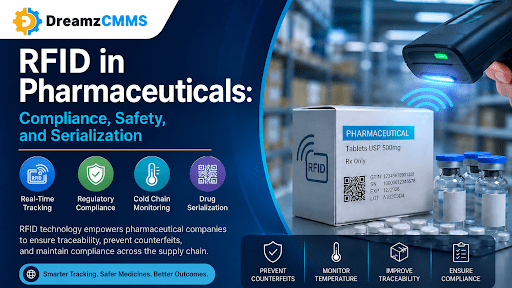
- High Frequency (HF) – 13.56 MHz: Tags operating at the High Frequency (HF) frequency of 13.56 MHz have a typical read range of under 1 meter. They are used for contactless payment and identification solutions. High Frequency tags are also widely used in library systems, in the pharmaceutical industry to check the authenticity of medicines, and for other highly secure applications.
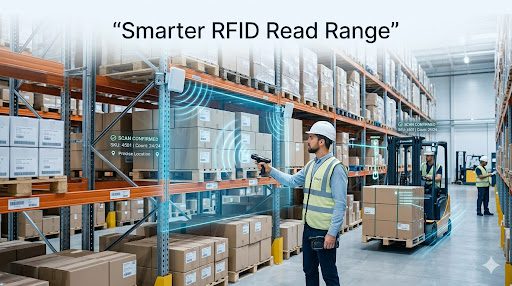
- Ultra-High Frequency (UHF) – 860–960 MHz: Ultra-High Frequency (UHF) tags operate on a frequency of 860 – 960 MHz. This is the most common frequency band for supply chain management and for tracking of assets. Read ranges for UHF tags vary from 1 meter to 10 meters. The majority of RFID Inventory Management platforms and RFID Asset Tracking Software platforms run on UHF tags and corresponding tag readers and RFID antennas.
- Microwave – 2.45 GHz+: The highest frequency range used by RFID systems are the microwave frequency systems. These are generally used for vehicle tracking and for Real-Time Location Systems (RTLS). These systems are able to process large amounts of amounts of data.
For most businesses deploying RFID for inventory or asset management, UHF is the right starting point.
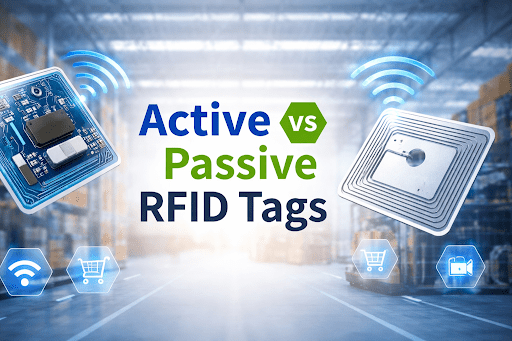
Active vs Passive RFID: How Each One Works
RFID tags are generally categorized as either active or passive RFID tags. The attributes of active RFID tags and passive RFID tags have several key differences that can determine the best use of RFID tags in a company. The cost of active and passive RFID tags, as well as the life of the tags, are two of the main differences between the two.
Passive RFID tags are those which do not have a battery. They are powered by the RFID reader and then use backscatter to send information back to the reader. These tags are cost effective and very durable, often lasting indefinitely. Passive RFID tags are often used for inventory tracking, supply chain visibility and asset tracking of equipment and are typically able to read within under 10 meters and have a small amount of data stored on the tag.
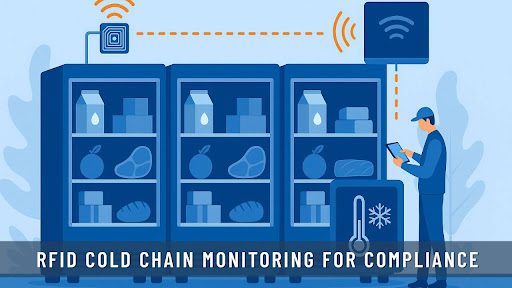
Active RFID tags are equipped with a battery which enables them to continuously transmit a signal to RFID readers without the need for receiving power from the RFID reader. The active tags can achieve read ranges of up to 100m or more and can also transmit large amounts of real time sensor data such as temperature, humidity and shock. The increased cost of active RFID tags compared to passive tags (ranging from $15 to $50+ per tag at scale) and their finite lifespan (ranging from 3 to 7 years depending on the battery life) means that they are typically only used for the highest value of assets where there is a greater risk to the business if they are lost. For example, hospitals where there is tracking and management of mobile equipment, the construction industry where there is tracking and management of large numbers of earthmoving equipment, and the cold chain logistics market where there is a need to track the temperature of perishable goods.
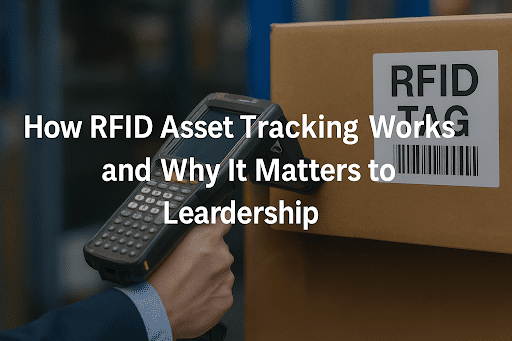
The majority of organizations will start off by utilizing passive UHF RFID tags. To learn more about how RFID Asset Tracking works, read a more in-depth version of How Does RFID Asset Tracking Work in Real Operations.
Real-World RFID Applications
Real-world RFID applications span nearly every industry that involves tracking, moving, or managing physical objects.
Inventory Management and Retail
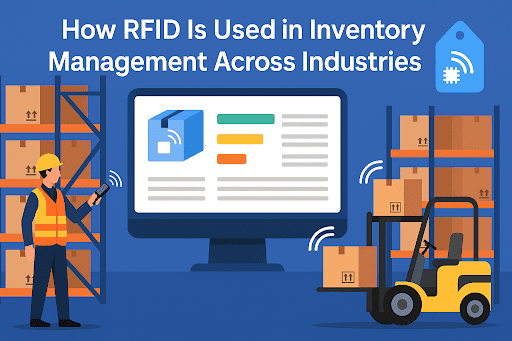
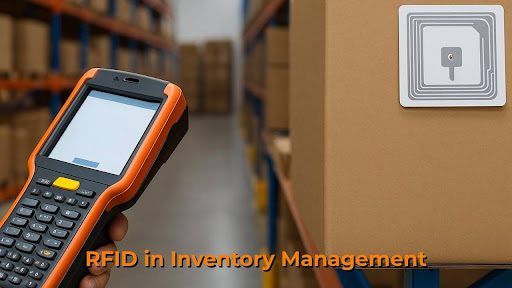
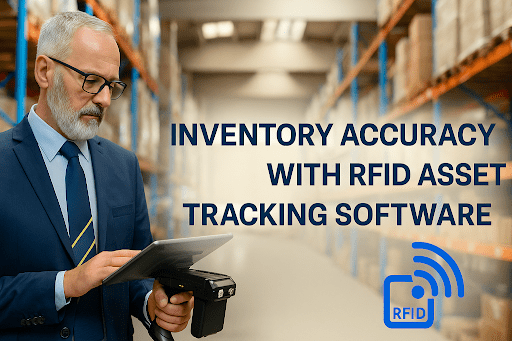
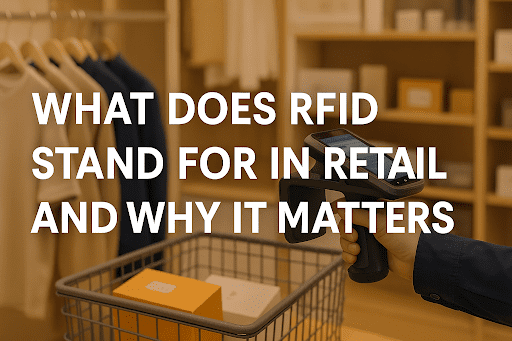
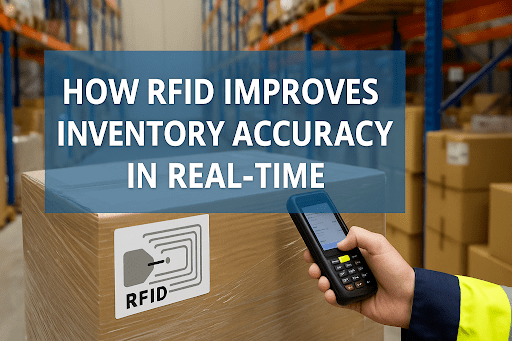
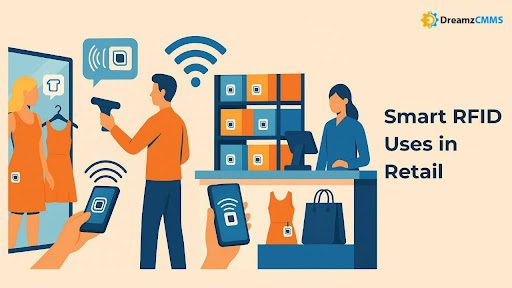
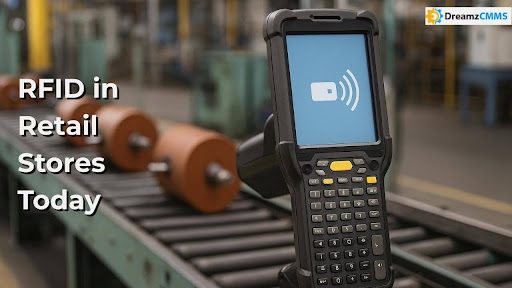
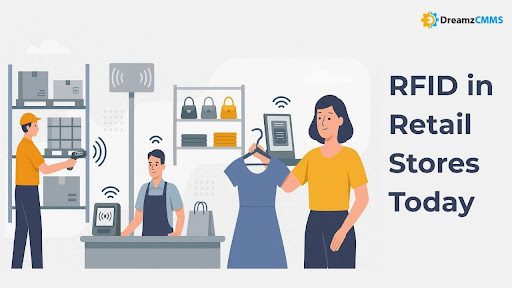
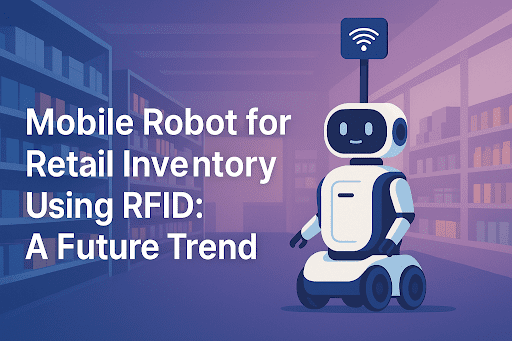
RFID offers a way to take accurate, real-time inventory information and turn it into actionable data to support the needs of retail operations. With item-level tagging of products, a retailer can take their manual counting accuracy from 60- 70% to over 99% during the counting process. In addition to increased accuracy of the counting, the time to complete the count is reduced from days and even weeks to just hours or less. After the initial count, retailers can automate processes such as replenishment, identify and track down shrinkage and use the information to support their omni-channel business model.
RFID Inventory Accuracy with Asset Tracking Software delivers these outcomes in practice.
Healthcare Asset Tracking
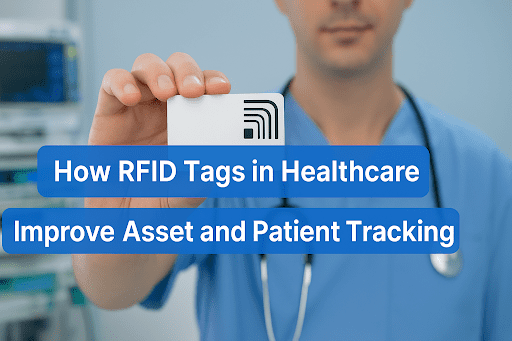
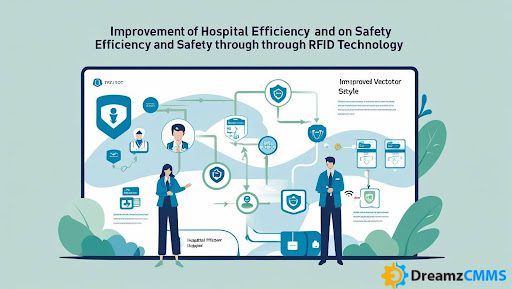
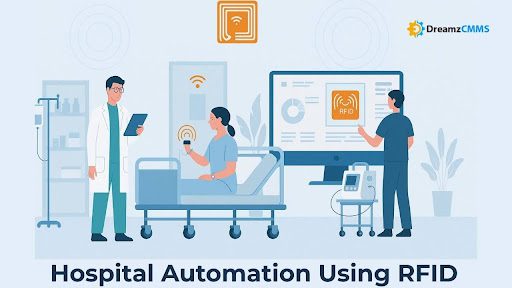
RFID for Healthcare - The RFID Solution for Healthcare helps to find mobile equipment in real time. Thus, the clinical staff can return to their work with patients as soon as possible. Moreover, items which require special care can be tracked and managed, like surgical instruments which have to be sterilized or medicines which have to be identified in a special way.
Warehouse and Supply Chain Operations
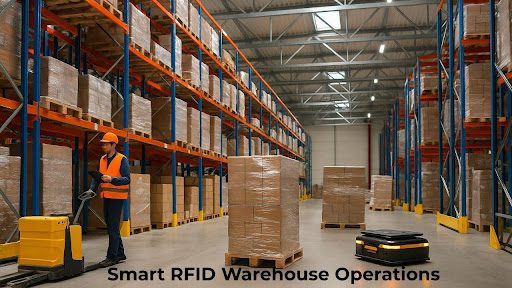
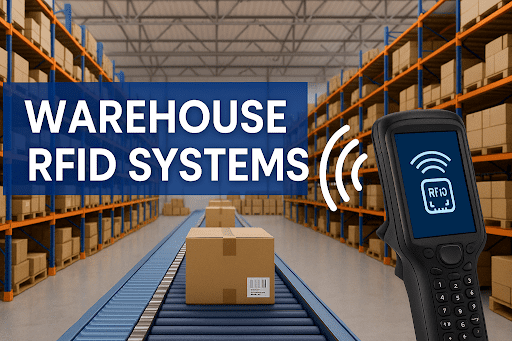
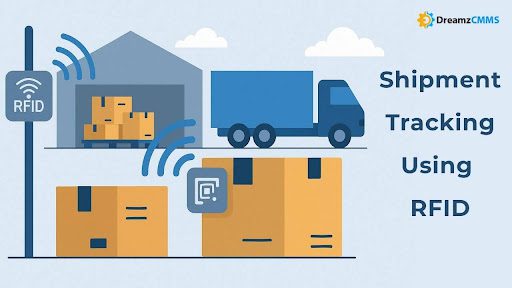
An RFID reader is mounted in a fixed position and aimed at the dock door. As inventory is brought into the warehouse on a pallet or in cases, etc. the items are tracked as they are brought through the portal. The information is automatically entered into the ERP or other back office system, such as a WMS. The RFID Platform – Workflow Automation automates the end to end tracking of the shipment and automatically receives the receiving confirmation and updates the ERP or other back office system in real time. Also alerts management to any exceptions along the way. Automatic receiving, real time updates and labor savings are just a few of the benefits to the management team of the warehouse.
Maintenance and Field Service
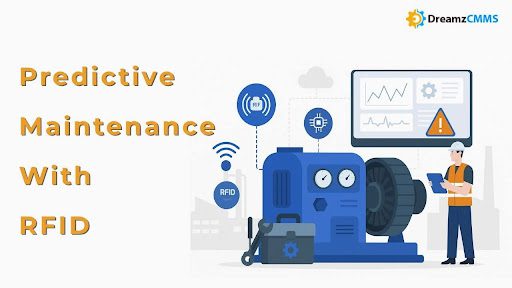
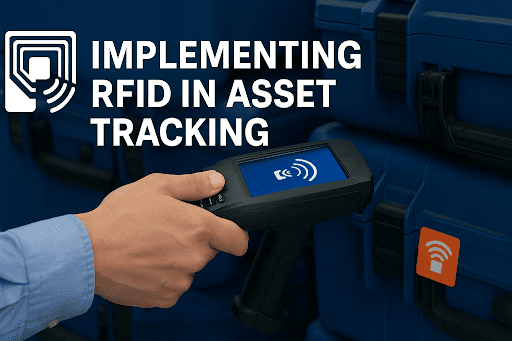
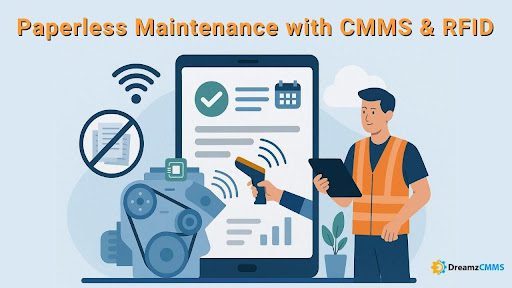
RFID Assets are attached to all different types of physical assets within your organization. They can link to your asset record within your asset management software, allowing for efficient capture and management of all asset-related information. Technicians can utilize a handheld RFID reader to view a full service history for an asset, capture results from completed inspections, and open up work orders as required. Implementing RFID in Asset Tracking has many benefits that can lead to improved efficiency.
Conclusion
The process of communication between RFID tag reader(s) and the software to create a record of the read of the tag(s) from the radio wave transmission, through to the backscattered signal capture and processing to create a record to add to the database, is almost instantaneous – all happening in a matter of milliseconds. The end user will often be unaware of the process, as it is happening in the background of very efficient organizations around the world, all made possible by the physics which have been made practical by man. Radio waves, the principles of electromagnetic induction, and the various signal modulations to name a few.When considering the best Tag for your application whether it be passive UHF for Inventory management or Active for Tracking High Value Assets etc. The basic principles of the technology remain the same. First learn the technology, 2nd apply it to your needs, 3rd integration into your software and lastly it will become a value add to your business enabling you to compete in the Global Market. To see how a fully integrated RFID and asset management platform works in practice, Book a Free Demo with DreamzCMMS today.










Subscribe to Our Newsletter
 100% SECURE
 We Respect Your Privacy
 Ready for More?
Talk to one of our CMMS experts and see how DreamzCMMS can simplify your maintenance operations.
Book a free consultation