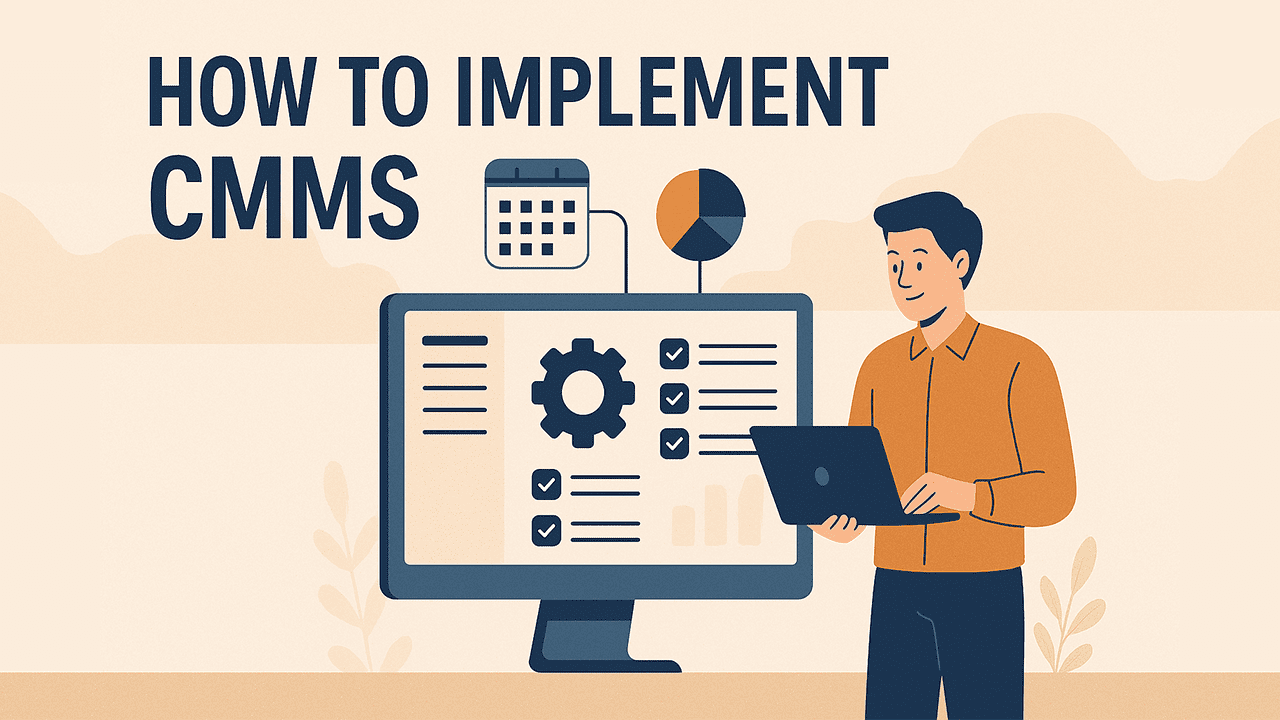
Quick answer: CMMS implementation is rolling out a maintenance system in stages: set goals, clean and import asset data, configure work orders and preventive maintenance schedules, train technicians, pilot at one site, then expand. Rollouts usually go more smoothly when asset data is clean and someone owns the process.
For contemporary maintenance teams aiming for efficiency, openness, and control, CMMS (computerized maintenance management system) implementation is no longer a luxury but a need. Implementing a Computerized Maintenance Management System (CMMS) is a strategic change, whether you are a manufacturer modernizing your infrastructure or a facility manager transcending spreadsheets. If you are still getting familiar with the term, start with our guide to what a CMMS is and how it works.
In short: a CMMS implementation is the process of putting maintenance software into everyday use: set goals and KPIs, form a project team, choose the system, clean and import your asset and parts data, configure work orders and schedules, train users, run a pilot, go live and keep improving. Poor data and low user adoption are the most common reasons projects stall, so plan for both early.
But a successful CMMS implementation does not occur immediately. Strong user adoption, a well-organized CMMS implementation strategy, correct data transfer, and appropriate team coordination all call for it. This thorough CMMS implementation guide, including a detailed CMMS implementation project plan, will walk you through a tried-and-true method for deploying your CMMS and maximizing its value over time. The presentation guide will walk you through a tried-and-true method for deploying your CMMS and maximizing its value over time.
Why CMMS Implementation Is Essential for Modern Maintenance
The benefits of a CMMS implementation far exceed automated scheduling and digital work orders. A well-run CMMS helps maintenance teams to increase uptime, prolong equipment life, simplify compliance, and enhance communication. Centralizing your asset management and maintenance records helps you to acquire vital visibility and control over your operations.
Important benefits of using a computerized maintenance management system are:
Tracking and planning preventive maintenance
Effectively managing work orders with real-time updates
Increasing control of spare parts inventory
Improving audit readiness utilizing historical maintenance data
Assisting the maintenance process with long-term continuous improvement
A well-thought-out CMMS implementation, taking into account your organization's particular objectives, people, and processes, makes these results possible.
A well-implemented CMMS increases uptime, prolongs equipment life, simplifies compliance and communication, and automates activities. Centralized maintenance data offers total operational control and visibility. Start using DreamzCMMS Asset Maintenance Management Software right now to maximize the potential of your maintenance activities!
Step 1: Set Objectives and Agree on KPIs
Every successful CMMS implementation strategy starts with a defined knowledge of what success seems to be. Whether your maintenance priorities are lowering downtime, increasing asset reliability, or boosting technician productivity, set goals that reflect those priorities.
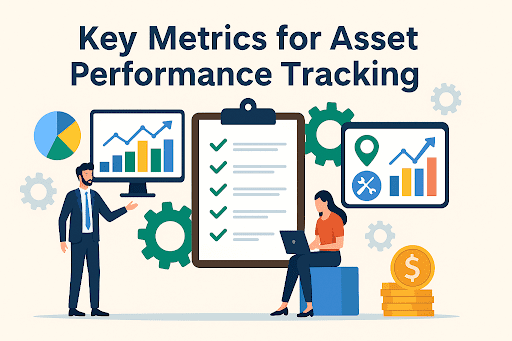
Set Maintenance KPIs to monitor development as follows:
Average Time to Repair (MTTR)
Average Time Between Failures (MTBF)
Rate of Work Order Completion
Preventive Maintenance Adherence
These measures will help you navigate the implementation process and provide long-term benchmarking for optimization.
Step 2: Build the Right Implementation Team
One of the biggest predictors of a successful CMMS implementation is having the right people involved. This cross-functional team should include:
A project manager to lead the initiative
IT personnel to support integrations and system security
Maintenance supervisors and technicians who’ll use the system daily
Inventory and procurement managers to assist with parts and stock data
Executive sponsors are to provide oversight and direction
This team ensures that all parts of your maintenance processes are accounted for and aligned with the new system.
Step 3: Choose a CMMS that meets your requirements.
The next stage is to choose a CMMS system suitable for your company. Every maintenance environment is different, thus, the system has to be flexible, scalable, and able to work with your current software tools.
When assessing possibilities, think about whether the CMMS can:
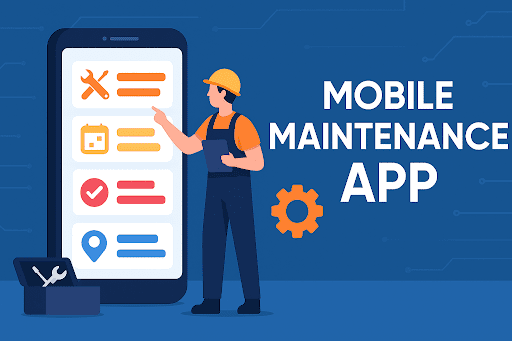
Assist with mobile field access
Allow intricate asset hierarchies
Track and automate work orders
Plan and track preventive maintenance
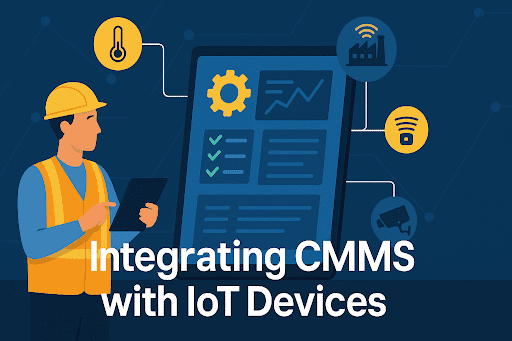
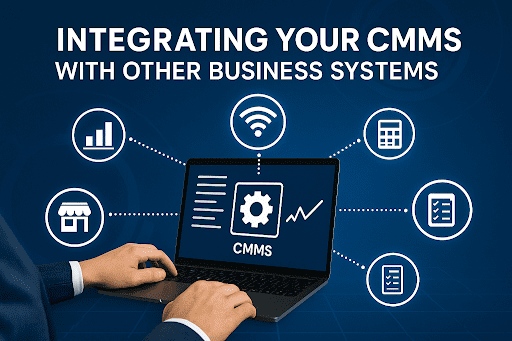
Combine with sensor-based systems and ERP.
Provide role-based access for various team members
Selecting a vendor that also offers CMMS implementation services will provide you the extra advantage of practical advice during setup and launch.
Step 4: Collect and Clean Your Maintenance Data
Before loading data into your new CMMS, perform a thorough data collection and cleansing process. Poor data quality can cause inaccurate reports and user frustration after go-live. Review your:
Asset records (location, criticality, specs)
Maintenance history (completed and open work orders)
Once collected, standardize and format this information for smooth data migration. This step is foundational to building a reliable and effective computerized maintenance management system.
Step 5: Set the System for Your Operations
Your data is prepared, now is the moment to set up the CMMS. Mapping asset hierarchies, establishing user roles, defining work order processes, and developing preventive maintenance schedules constitute this.
Important areas of configuration are:
Tagging and asset grouping
Work order status progression, for instance, Open to In Progress to Completed
Checklists for ongoing maintenance tasks
Automatic notifications for overdue or forthcoming tasks
Rules for reordering spare parts
A well-configured CMMS shows how your team operates, not the reverse. It improves technician efficiency and streamlines daily operations.
Step 6: Train Your Team for Success
No CMMS implementation can succeed without proper user training. Your team must understand how to interact with the system based on their role.
Training should be hands-on and tailored:
Technicians should practice logging and updating work orders from mobile devices.
Supervisors should learn to assign jobs, monitor performance, and approve completions.
Admin users should become familiar with user management and system configurations.
Continual training, combined with quick-reference materials, ensures that your workforce is confident and ready.
Step 7: Pilot the System Before Full Rollout
Launching your CMMS in a small department or facility helps you test the system in a controlled environment. This pilot phase allows you to evaluate how well your implementation plan works in practice and where improvements can be made.
During the pilot, assess:
User comfort with the system
Accuracy of maintenance records
Effectiveness of PM schedules
Alignment of the digital workflow with real-world tasks
Use feedback to refine your system before organization-wide deployment.
Step 8: Go Live and Launch Company-Wide
Once the pilot phase has proven successful, it’s time for full-scale deployment. Announce the go-live date clearly, provide user support channels, and monitor adoption closely.
This stage involves:
Finalizing data migration
Ensuring all teams can access and use the CMMS
Troubleshooting setup issues in real-time
Conducting refresher training as needed
A successful go-live depends on proactive communication and a supportive environment where users feel encouraged to use the new system.
Step 9: Optimize and Evolve Your CMMS
Your CMMS journey doesn't end with go-live—it’s just beginning. Leverage the system to drive continuous improvement in your maintenance processes.
Review KPIs monthly. Adjust preventive maintenance intervals based on historical data. Streamline processes by automating routine tasks. Expand the system to additional assets or departments as needed.
Regular optimization ensures your computerized maintenance management system grows with your business and continues to deliver results.
CMMS Implementation Checklist
The following checklist provides a quick-reference guide to track your progress throughout the CMMS implementation process:
Build Your Team ➤ Assign a project manager, IT support, and key department leads.
Select a CMMS ➤ Evaluate features, scalability, mobile access, and vendor support.
Perform Data Collection & Cleaning ➤ Gather and standardize all maintenance and asset data.
Configure the System ➤ Set up hierarchies, users, and preventive maintenance workflows.
Train Your Users ➤ Offer role-based training and support.
Pilot the CMMS ➤ Test the system in a limited environment. ➤ Collect feedback.
Go Live Organization-Wide ➤ Finalize data migration and launch with real-time support.
Optimize Continuously ➤ Use data to drive long-term improvement.
Real-World Scenario: CMMS Implementation in Action
The manufacturing company "Precision Gears Ltd." operated with paper records and spreadsheets as its primary documentation system. The reactive maintenance approach resulted in regular equipment failures and delayed service appointments.
Step 1: The company implemented a computerized maintenance management system through a structured CMMS implementation plan. The first step established KPIs that targeted a reduction in downtime. Step 2: A project manager with IT expertise and maintenance supervision led a team Step 3: Conducted data collection across all sites and cleaned the data. Step 4: Configured the CMMS for their work order and inventory workflows. Step 5: Trained users and launched a successful pilot. Step 6: Went live company-wide, achieving lower downtime and better on-time PM compliance over time.
This scenario shows how planning and alignment turn a vision into a successful CMMS implementation.
CMMS implementation: frequently asked questions
How do you implement a CMMS step by step?
There are nine steps: set objectives and KPIs, build the implementation team, choose a CMMS that meets your requirements, collect and clean your maintenance data, configure the system for your operation, train your team, pilot before full rollout, go live company-wide and then optimise. The sections above explain each step, and the checklist near the end helps you track progress. New to the topic? Read what is a CMMS.
How long does CMMS implementation take?
It depends on the number of sites and assets, the quality of your existing data and how many integrations you need. A small single-site team can often be working in the system within weeks, while multi-site rollouts with ERP or sensor integrations take longer. Running a pilot first shortens the overall timeline because you fix problems on a small scale.
Why do CMMS implementations fail?
The usual causes are unclear goals, incomplete or messy asset data, no named project owner, too little training and trying to switch on every feature at once. Technicians also stop using the system if it feels slower than their old routine, so involve them early and choose a mobile-friendly tool.
How do you plan a CMMS rollout?
Name a project owner, agree on KPIs, pick a pilot area with a few critical assets, set a go-live date and train users shortly before it. Then expand in phases and review results with the team at 30, 60 and 90 days.
How do you measure the success of a CMMS after implementation?
Record a baseline before go-live, then track preventive maintenance completion, the share of planned versus emergency work, work order backlog, time to complete a work order and equipment downtime. Compare the numbers each month and share them with the team.
What data do you need before you start a CMMS implementation?
At minimum: an asset list with locations, a parts and supplier list, your preventive maintenance tasks and frequencies, user names and roles, and any checklists or procedures technicians follow. Cleaning this data before import is the most useful single step. Want to see it working with your own assets? Book a free demo.
Final Thoughts
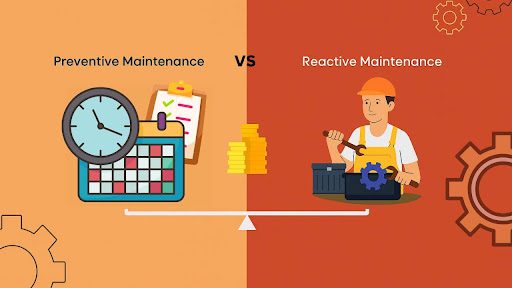
A well executed CMMS implementation is more than just a software upgrade—it is a total change in how maintenance activities are planned, carried out, and optimized. It changes the company's attitude from reactive firefighting to proactive and predictive strategies that save time, lower expenses, and prolong asset life.
Success is not only in choosing the appropriate CMMS system but also in how effectively you get your data ready, educate your staff, and oversee departmental transformation. Realizing the full return on investment calls for a well-structured implementation plan, consistent performance tracking, and continuous user involvement.
Keep in mind the journey doesn't finish at go-live. Continue to examine your KPIs, ask for user input, and implement incremental changes. A CMMS should grow more intelligent and integrated with your company's requirements, evolving with time.
Your company will realize the whole potential of the CMMS by adopting this ongoing improvement attitude; not only as a tool but also as a vital enabler of operational excellence.
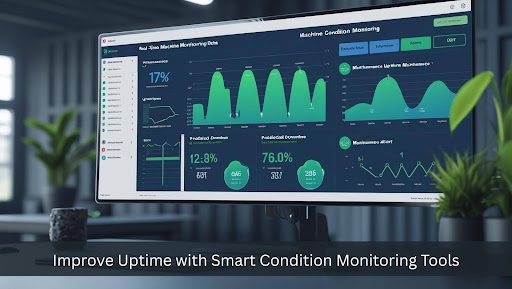
Need help with CMMS implementation? DreamzCMMS offers industry-proven CMMS implementation services to help you plan, configure, train, and scale your maintenance software for maximum ROI. DreamzCMMS helps you: ➤ Implement preventive maintenance for better uptime ➤ Monitor machine performance in real-time ➤ Reduce unplanned downtime and repair costs ➤ Optimize production schedules and improve efficiency Do not wait for the next breakdown. Start increasing your machine uptime today with smarter, preventive maintenance strategies. Your team, your equipment, and your production goals will thank you. Schedule a free consultation or demo with our DreamzCMMS experts now.
Cost is usually the next question: our CMMS pricing guide explains per-user, per-asset and flat-rate models and what drives the total cost.
See DreamzCMMS with your own maintenance data
Book a free demo and we will walk through work orders, preventive maintenance and asset tracking for your team.
We use cookies on our website to give you the best experience by remembering your preferences and repeat visits. By clicking “Accept All”, you consent to the use of ALL the cookies. However, you may visit "Cookie Settings" to provide a controlled consent.
This website uses cookies to improve your experience while you navigate through the website. Out of these, the cookies that are categorized as necessary are stored on your browser as they are essential for the working of basic functionalities of the website. We also use third-party cookies that help us analyze and understand how you use this website. These cookies will be stored in your browser only with your consent. You also have the option to opt-out of these cookies. But opting out of some of these cookies may affect your browsing experience.
Necessary cookies are absolutely essential for the website to function properly. These cookies ensure basic functionalities and security features of the website, anonymously.
Cookie
Duration
Description
cookielawinfo-checkbox-analytics
11 months
This cookie is set by GDPR Cookie Consent plugin. The cookie is used to store the user consent for the cookies in the category "Analytics".
cookielawinfo-checkbox-functional
11 months
The cookie is set by GDPR cookie consent to record the user consent for the cookies in the category "Functional".
cookielawinfo-checkbox-necessary
11 months
This cookie is set by GDPR Cookie Consent plugin. The cookies is used to store the user consent for the cookies in the category "Necessary".
cookielawinfo-checkbox-others
11 months
This cookie is set by GDPR Cookie Consent plugin. The cookie is used to store the user consent for the cookies in the category "Other.
cookielawinfo-checkbox-performance
11 months
This cookie is set by GDPR Cookie Consent plugin. The cookie is used to store the user consent for the cookies in the category "Performance".
viewed_cookie_policy
11 months
The cookie is set by the GDPR Cookie Consent plugin and is used to store whether or not user has consented to the use of cookies. It does not store any personal data.
Functional cookies help to perform certain functionalities like sharing the content of the website on social media platforms, collect feedbacks, and other third-party features.
Performance cookies are used to understand and analyze the key performance indexes of the website which helps in delivering a better user experience for the visitors.
Analytical cookies are used to understand how visitors interact with the website. These cookies help provide information on metrics the number of visitors, bounce rate, traffic source, etc.
Advertisement cookies are used to provide visitors with relevant ads and marketing campaigns. These cookies track visitors across websites and collect information to provide customized ads.



 BACK TO Blog