 BACK TO Blog
Asset Rental Management
RFID Asset Tracking
Real-Time Location System RTLS: How Leaders Build Asset Visibility, Accuracy, and Control in 2026
- March 11, 2026
- DreamzCMMS Team
- 17 minutes read
- March 11, 2026
- DreamzCMMS Team
- 17 minutes read
This Real-Time Location System RTLS Market by Service 2016-2026 report provides an overview of asset visibility, location accuracy and management capabilities that can be achieved for healthcare, hospitality, higher education, manufacturing, retail and warehousing organizations in 2026. The report assesses the RTLS market across six verticals, identifying trends, drivers and challenges. It also contains an extensive analysis of solutions and technologies. Furthermore, the report evaluates RT
Asset Visibility Is No Longer an Operations Detail
Most companies consider location tracking to be a strictly limited function to the warehouse, an IT project or an activity that occurs in back offices. That view will change. By 2026, location awareness of key assets—their whereabouts, how they are moved and when they are available—will be a focus for senior managers.
That is where a real-time location system RTLS changes the conversation.
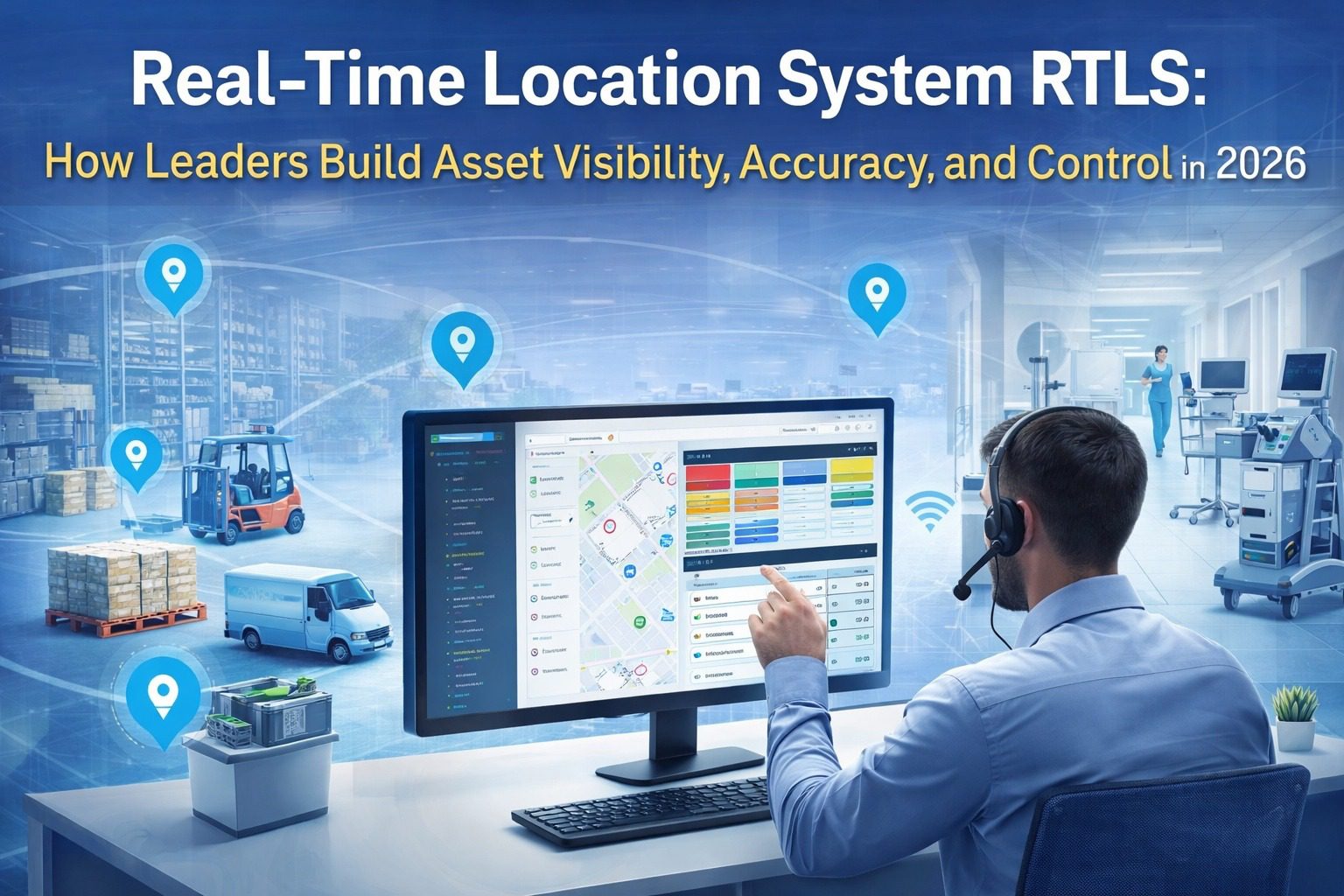
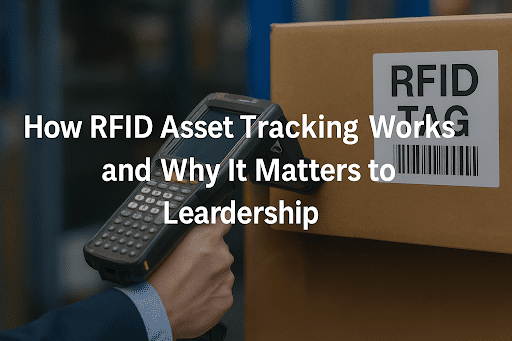
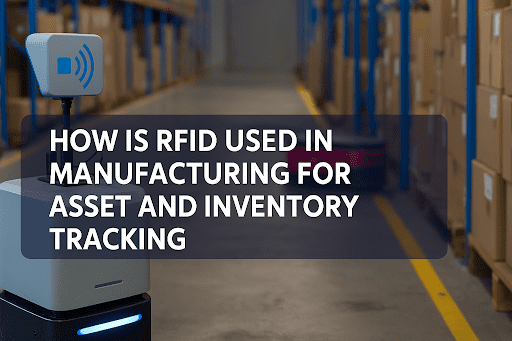
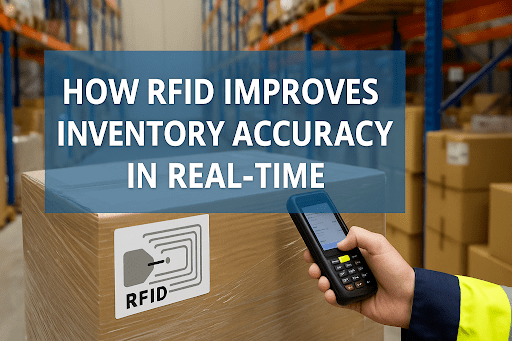
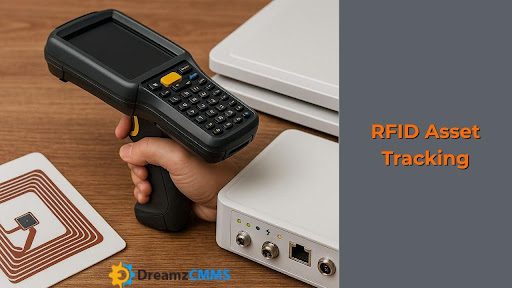
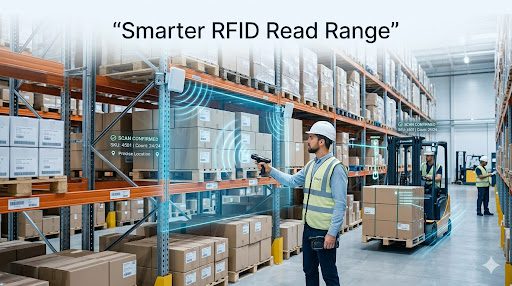
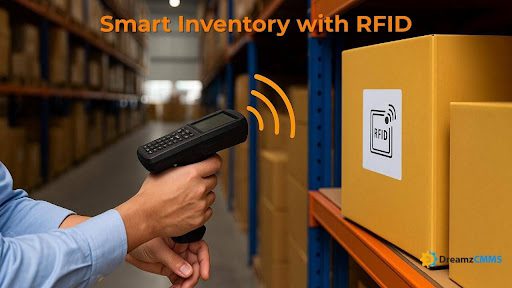
Modern RTLS is more than just a map with dots on it. Businesses use RTLS to improve search efficiency, asset utilization, reduce shrinkage and to achieve real-time visibility of activities and processes for the whole of a site, yard, warehouse, hospital and other environments. Modern RTLS systems coupled with the right RFID Asset Tracking Software will give your executive management team real-time visibility of the location of 100% of all assets at all times without the need for manual scanning or line of sight tracking. Using RFID technology, readers can automatically read and process the data stored on RFID tags on the asset and fixed readers can continuously scan all assets as they move in and out of range.
When companies lack visibility, the consequences are immediate:
- Teams waste time looking for tools, equipment, and inventory
- Assets sit idle while duplicate purchases rise
- Compliance and audit processes become slower
- Maintenance decisions are made with incomplete information
- Customers feel delays that the business cannot easily explain
All RTLS asset tracking customers have one thing in common: they want and need more than just location data about their assets. They want control. And that’s why RTLS is becoming a strategic necessity for organizations with high-value assets, with processes that need to be tightly controlled, and with large indoor campuses.
The Executive Reality: Why Visibility Has Become a Competitive KPI
Your customers may not ask for tracking technology but they feel the effects of lack of visibility.
- They notice when a service technician arrives without the right part.
- They notice when medical staff cannot find a device quickly.
- They notice when inventory counts do not match reality.
- They track whether the same asset is being overallocated in one area and underallocated in another.
That is why real-time location tracking with RFID is no longer an operational luxury feature. Today it has a direct impact on service quality, cost optimisation and reaction speed.
For leadership teams, the business impact is clear.
The first rule of asset reliability is Visibility Protects Capital. Without visibility, our assets fall into the blind spot and we end up overbuying and over renting inventory of spare parts, and we accept more than our fair share of unplanned downtime.
Second, visibility improves labor efficiency. Skilled workers should not be required to search for assets, or manually count inventory, or search for lost items across a plant.
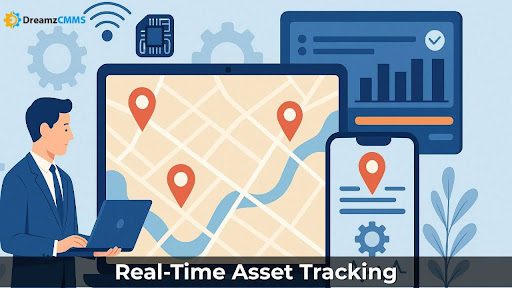
The third benefit of visibility is that it leads to better decision-making. When you deploy an indoor real-time location system (RTLS), you gain a continuous view of where your assets are and how they’re being used.
Fourth, visibility increases customer confidence. Faster fulfillment, cleaner audits, less downtime, and more reliable service – all begin with greater visibility.
Why RTLS technology 2026 is now on the minds of the C-suite RTLS technology is a prime example of the type of visibility that the business environment of today demands. Pressure on profit margins is increasing, while at the same time customers/patients are expecting a higher level of service. Assets are becoming more complex and numerous, and having the right level of visibility is no longer a discretionary system, but a foundational one.
The Hidden Cost of Poor Asset Visibility
It’s surprising how many organizations have no real understanding of the damage that poor tracking can cause, simply because the costs are often so diffuse and dispersed across different parts of the business.
- Procurement feels it through avoidable reorders.
- Operations feels it through delays and workflow interruptions.
- Maintenance feels it through lost tools, misplaced spares, and unplanned downtime.
- Finance feels it through write-offs, excess inventory, and lower asset utilization.
- Leadership feels it when growth becomes harder to scale.
- The issue is not only loss. It is friction.
In Asset Intensive Operations, productivity can be obscured by non-value adding activities, and the value added can be eaten away by the “hidden costs” of inefficiency. Operations activities are performed around unknown or unseen limitations. Managers and supervisors are spending increasing amounts of time “on the phone” tracking down the location of assets. Operators are required to maintain paper-based spreadsheets for operational data that is not available from the control room. Inventory increases are being approved by management because the reliability of the physical inventory count has been lost.
RFID RTLS asset management is important for this type of facility because uncertainty slows everything else down here. Assets can’t be assumed to be in a given location—they may have been moved out to some other part of the facility. Having a system in place to quickly determine asset locations—before time is lost searching for them—is critical.
Why Traditional Tracking Models Fail in Modern Operations
Originally every tracking system was designed for periodic audits. That was a very different time.
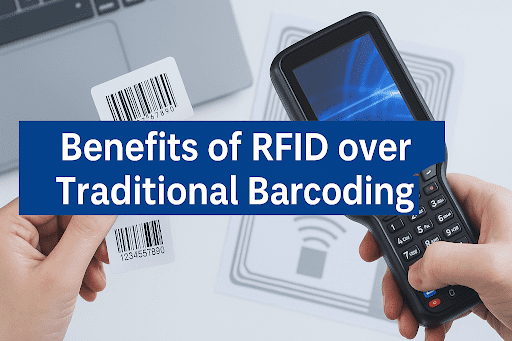
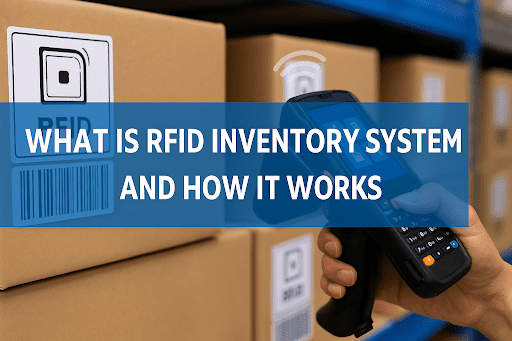
Even with the use of barcodes, inventory tasks are still done manually and require items to be in view. RFID technology makes possible the automatic identification of items and real time inventory visibility in all stages of supply chain processes. Hence why many companies compare the Benefits of RFID over Traditional Barcoding when deciding to upgrade their visibility stack.
Manual methods break down when:
- Assets move frequently between zones
- Multiple teams share equipment
- Inventory lives in large indoor spaces
- Compliance requires location history
- Search time directly impacts service delivery
A spreadsheet can record the asset locations as they should be. However, a spreadsheet cannot tell you where the asset actually is.
Barcode scan does not confirm that the person has actually moved between the two points. The barcode scan only verifies that the barcode was scanned before the person moves on to the next point. It does not verify anything that may have occurred between the two points.
That’s why we rate RFID real-time location systems so highly. They give you far better visibility and with far less effort, and they give you far better data.
What a Modern Real-Time Location System RTLS Must Deliver
A Real-Time Location System (RTLS) will only add value to your operations if it can influence tangible actions on the shop floor. Do not confuse marketing terms with real value or confuse features and technology with actual performance. Focus on the value added by the system to your operations.
A strong RTLS program should deliver five outcomes.
1. Faster asset retrieval
Stuff you need should be accessible in seconds, not minutes or hours.
2. Better utilization
The business should know which assets are overused, underused, stranded, or unavailable.
3. Higher process accuracy
Tracking should reduce manual errors, improve handoffs, and support cleaner records.
4. Stronger workflow coordination
Location data should support maintenance, inventory, dispatch, room turnover, replenishment, and audit tasks.
5. Clearer return on investment
The system must contribute to measurable improvements in labour productivity, asset efficiency, loss prevention and service performance.
The following are the real-time asset visibility benefits that leaders can expect to achieve from RTLS ROI for asset management.
The RTLS Blueprint: How High-Performing Organizations Win on Visibility
Most companies believe that buying more tags, readers and/or more dashboards will solve their visibility challenges. The leading companies, however, recognize RTLS for what it truly is – a tool to connect real-time location data to business actions and decisions. That blueprint rests on five strategic pillars.
Pillar 1: Start With the Business Problem, Not the Hardware
A Guide to Implementing an RFID-Based Real-Time Location Systems (RTLS) Your first question should never be: “Which tags should we buy?” RTLS uses some type of locator device or sensor attached to something of value (such as a patient, an inventory item, or an automobile). These locator devices/sensors must “see” or be read by some other device. To understand this process, consider Figure 1 of this RTLS guide, which is
It should begin with questions like:
- Where do delays start?
- Which assets are hardest to locate?
- Where does asset loss happen most often?
- Which workflows break when visibility disappears?
- Where would live location data produce the fastest business return?
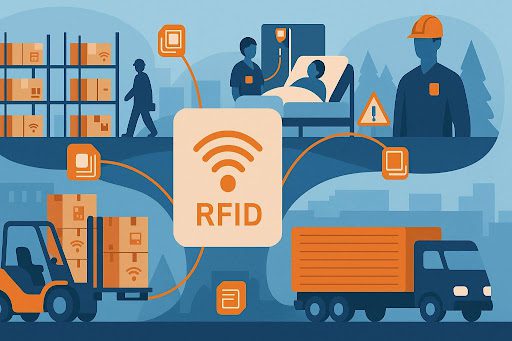
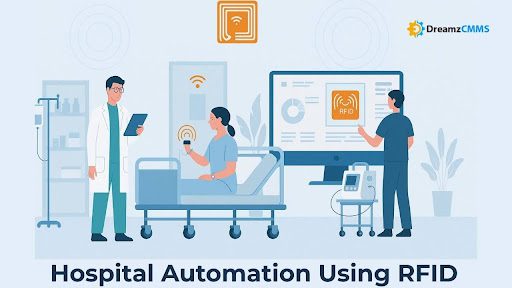
Whether an organization’s needs are best met through real-time location system (RTLS) healthcare asset tracking for critical, high-value medical devices like infusion pumps, wheelchairs and mobile diagnostcs or inventory within their warehouse or distribution center, locating critical assets or inventory is important. Healthcare organizations are focused on rapidly locating and issuing mobile clinical assets while inventory management organizations are concerned with managing inventory movement and increasing data integrity regarding inventory positions and quantities within buildings and facilities. The resulting benefits include increased accuracy and productivity of the reception and shipping processes, faster locating and issuance of inventory for production, increased accuracy of inventory records and fewer discrepancies.
Pillar 2: Match the Technology to the Environment
Different locations will require different levels of accuracy, pricing and infrastructure. Therefore, the technology applied will differ accordingly.
An indoor real-time location system can use RFID, Bluetooth or UWB technologies depending on the application.
Bluetooth RTLS is a good option for a number of indoor locations as many facilities already use Bluetooth for indoor location services and Bluetooth RTLS can be easily scaled in most buildings.
Ultra-wideband RTLS technology is relevant in a large number of business applications where high precision is required. UWB is known for its precise ranging and location awareness capabilities. Some applications can achieve centimeter level accuracy and this performance is most typically demonstrated in dense indoor scenarios where high precision location awareness is required.
RFID real-time location systems (RTLS) are still a good option if you need to automatically identify and locate objects or people down to a specific area, want real-time visibility in your processes and cost effective asset tracking in your operations. In for example common areas where staff frequently pass through and you want to reduce manual scanning and increase throughput.
RTLS vs GPS is a debate that comes up quite often when it comes to location tracking. For large outdoor areas or wide geographic regions, GPS is a good option. But when it comes to something as valuable as company assets, being able to see where they are inside the four walls of the company is a critical aspect of asset tracking. And many companies are finding that their assets are used most frequently in the one place where GPS tracking is not an option – indoors.
Pillar 3: Design Around Workflows, Not Just Dots on a Map
A location ping by itself does not amount to much to an organization. It is the action that the organization chooses to take based on the location ping that gives any value to the location ping.
High-performing teams connect RTLS to real operational moments:
- Asset enters a sterilization zone
- Tool leaves an approved storage area
- Equipment stays idle too long
- Inventory moves into the wrong location
- A high-value item approaches an exit
- A device becomes unavailable for a scheduled task
That is where RTLS for asset visibility has real operational value. Instead of simply knowing that something is in motion, you are able to do something about it.
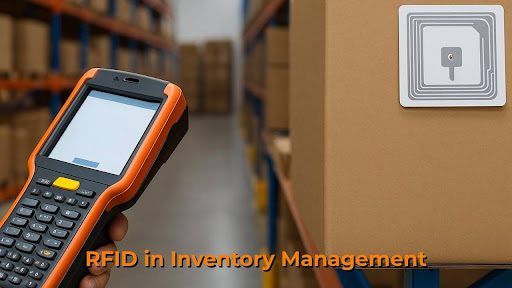
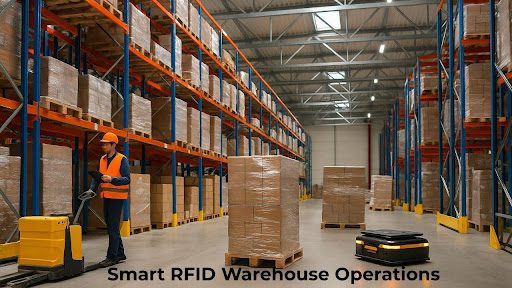
That’s why many companies choose to pair RTLS with Warehouse and Inventory Management workflows. Visibility is maximized when location data is combined with inventory movement, restock, utilization and asset availability enterprise-wide.
Pillar 4: Turn Location Data Into System-Level Intelligence
Adding more fields to a spreadsheet or increasing the number of reports in a system won’t necessarily create better business operations. In fact, good business operations require valid software that produces meaningful results. Valid software is only relevant if meaningful decisions are being made from the data it produces.
That is why the most useful RTLS systems incorporate location information into maintenance, asset and inventory workflows. A tag event should do something meaningful.
- a utilization alert
- a missing asset exception
- a check-in or check-out record
- a maintenance event
- an audit trail
- a replenishment action
The main difference between passive monitoring and RFID Real-Time Location Systems (RTLS) is what happens after the signal is received and interpreted by an application. Passive monitoring only displays the raw data from the RFID reader and does not make any conclusions about the position of an object. In contrast, an RTLS application reads and interprets the information and can then determine the location of an item or a person and display this in a user-friendly format.
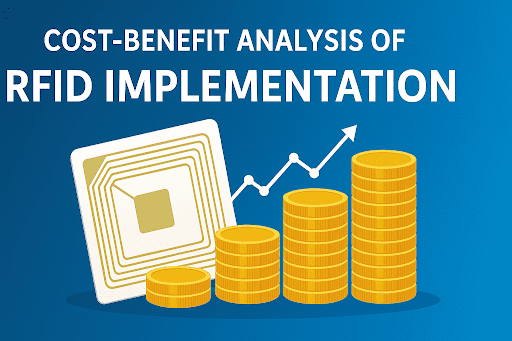
More and more companies are Implementing RFID in Asset Tracking projects, and quickly come to the realization that the value of RF id-ing everything is not the ROI. The ROI comes from incorporating location into the systems people already use to manage their workflow.
Pillar 5: Build for Security, Trust, and Scale
I’ve seen RTLSs fail for a couple of reasons. First, the users are never happy with the data. It’s either too inaccurate or not deployed in a clean enough fashion. Second, the hardware and sensors needed to be placed in the right locations can be quite expensive and the structure needed to implement them doesn’t scale in a clean enough fashion.
Why? Because healthcare leaders need to consider RTLS infrastructure needs from the very start of any new project.
- reader placement
- coverage gaps
- power and network needs
- tag durability
- environmental interference
- integration readiness
- user permissions
- data governance
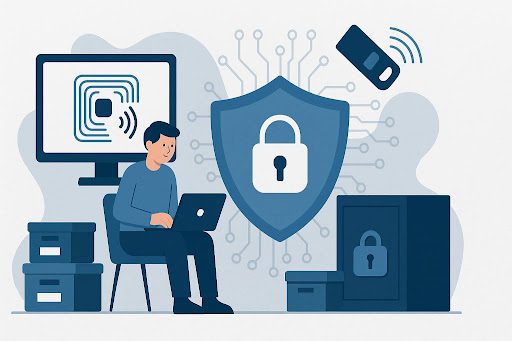
This is a basic requirement for the overall security of the system. Weak access control, poor governance or un-managed tags can lead to many problems such as incorrect asset tracking, unauthorized access to areas and system crashes. A mature RFID implementation will require some level of access control and Data Security in RFID Systems before scaling.
Technology Is the Engine, Not the Strategy
This is one of the most important lessons for decision-makers.
An RTLS can speed things up but it cannot change a flawed workflow, weak data ownership or unclear goals.
The strategy must come first.
Leaders should not ask, “How do we install RTLS?”
They should be asking: What is the visibility problem that is costing us the most and how do we address it in a scalable way.
Today the majority of organizations are not Digital First and IT teams are not ready to change their traditional deployment and rollout process to meet the needs of a digital business. This Training will help to improve the ability to implement digital business projects.
How Leaders Know RTLS Is Working
How Leaders Know RTLS Is Working
I think many companies believe they are more visible with their metrics now that they are displayed in a pretty new “metrics dashboard.” But being more visible is not a matter of presentation. Rather than asking if your metrics look pretty, ask instead if you are actually seeing your metrics anywhere.
The first signal is search time. Is your staff searching for less? Are they finding what they need more quickly? Less search time is a good thing. More search time is a problem.
The second signal is asset utilization. Is the use of shared assets more balanced and effective?
Third Signal: Duplicate Buying Is the business improving emergency buys and non-essential replacements? Identifying potential problems early on is crucial, and Procurement Leaders helps organizations achieve this by providing real-time alerts
The 4th signal to look for is Process Speed. Are the processes you are using to meet guest requests, provide a high level of service, flip rooms, or manage inventory increasing in speed?
In this series of posts we have been looking at the first four signals of entropy and their counterpoints, but now it is time to look at the fifth, audit confidence. Are you able to confirm, cleanly, your ability to see in real time, enterprise-wide, from anywhere, and in all locations from which assets have been deployed, the location of all assets, where they are and have been, their movements, and their utilization?
#6 RTLS Accuracy and Precision Tracking The 6th location service indicator is RTLS accuracy and precision tracking. This use case is related to the fact that the location system should provide sufficient accuracy and precision for the specific use case, such as zone location, room location or high accuracy indoor tracking.
Here are some common RTLS Asset Management ROI indicators. If your organisation is still picking up the phone to a manager or maintenance group to find the location of an asset, or if they are still searching for information and creating work-around spreadsheets because they can’t get the information they need from a central location – then despite increased work effort, they are not more efficient, and visibility has not been improved.
RTLS Is Not a Tracking Tool. It Is an Operating Model for Visibility.
While tracking is certainly a common use case, the value of RTLS goes far beyond simply knowing where something is. The technology enables a wide variety of other insights and capabilities when utilized in conjunction with other systems and applications.
At its core, RTLS is simply a technology purchase. You affix a tag to people, assets or vehicles. You install readers that sense the tags and then you can display the location of the items that you have tagged.
But at scale, it becomes something much bigger.
It changes how organizations manage shared resources.
It changes how maintenance teams plan work.
It changes how warehouses trust inventory.
It changes how hospitals locate equipment.
It changes how leaders think about asset productivity.
That’s why the real-time location system RTLS is no longer just about tracking. It’s about speeding up, improving and securing processes.
When visibility is weak, every other system feels the strain.
When visibility is strong, the organization moves with more confidence.
In that sense, RTLS technology 2026 is not a future concept, but a current operational necessity for those companies seeking business expansion and asset control.
Build Smarter Asset Visibility With DreamzCMMS
Are you ready to modernize and bring your assets into a more efficient and productive state? If so, it is time to get you off of legacy CMMS and spreadsheets and into a 21st century maintenance management system. It is very likely that your organization has outgrown the antiquated methods of inventory and equipment tracking and it is very likely that your maintenance staff is tired of having to search for parts and it is very likely that your staff is looking for a better way to do their job.
RFID visibility in asset workflows, maintenance and overall asset management can be achieved with the help of DreamzCMMS. This enables the use of RFID technology to track asset locations and has a positive impact on workflows, asset maintenance and asset management. Upgrading your current RTLS ( Real-Time Location System) platform, replacing your current RFID Asset Tracking Software, or improving the accuracy and efficiency of your indoor inventory tracking and management through your Warehouse and Inventory Management is possible with the help of DreamzCMMS and helps you to leverage the power of your asset location data. The high level of awareness and visibility related to RFID Asset Tracking, real-time location, inventory tracking and management of assets clearly show the intention of integrating all these elements into a holistic platform for asset intelligence.
Would you like to see an example of a modern RTLS technology in action in your own facilities? Interested in seeing the benefits that Smarter Visibility brings to your bottom line through higher accuracy, better resource utilization and management? We’d be happy to set up a Free Demo for you.
Explore More
To deepen this topic, readers may also find these resources useful:




Subscribe to Our Newsletter
 100% SECURE
 We Respect Your Privacy
 Ready for More?
Talk to one of our CMMS experts and see how DreamzCMMS can simplify your maintenance operations.
Book a free consultation