 BACK TO Blog
Asset Rental Management
Field Service
Real-Time GPS Tracking: Precision, Speed, and Visibility for Telecom Dispatch
- December 30, 2025
- DreamzCMMS Team
- 8 minutes read
- December 30, 2025
- DreamzCMMS Team
- 8 minutes read
Why Real-Time GPS Tracking Is the New Standard in Field Operations
In telecom, time is not a resource, it is a risk. Every delay in the field affects customer satisfaction, operational cost, and your brand’s promise. Over the years, businesses have invested heavily in tools to help close that gap. But one capability has become essential above all others: real-time GPS tracking.
When a team knows where its people are without guessing or waiting for updates every decision becomes easier. Work is assigned faster. Routes become more efficient. Calls get answered sooner. This is not about micromanagement. It is about visibility.
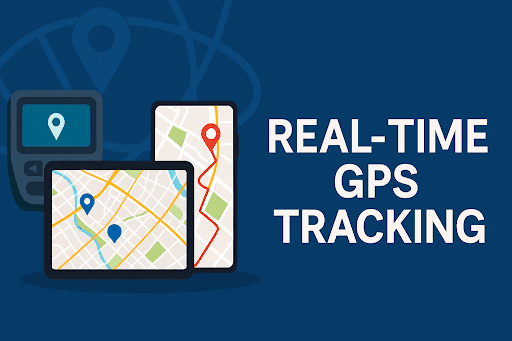
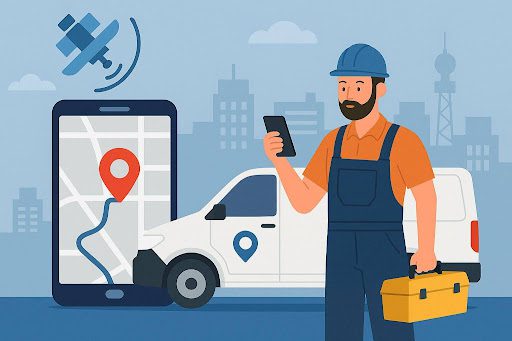
Modern systems do more than show a location. They help dispatchers understand traffic conditions, track progress, and reroute as needed all without interrupting the work. That is the power behind GPS tracking for field technicians. It connects the office to the field, moment by moment.
Paired with automated dispatch software, this technology makes each job smoother. Managers do not need to make assumptions. They respond based on what is actually happening.
In high-volume environments, where missed calls and late arrivals mean lost revenue, that real-time insight makes the difference. It turns guesswork into action. It brings confidence to the day.
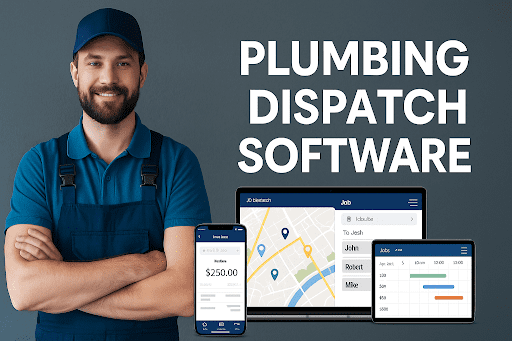
Explore: Vehicle GPS tracking a tool built to support rapid response and reduce downtime.
What Real-Time GPS Tracking Really Delivers in the Field
Investing in real-time GPS tracking is not just about knowing where your fleet is. It is about giving field teams, dispatchers, and executives better control without adding complexity. When built into the daily workflow, these systems offer tools that solve actual problems on the ground and in real time.
Faster Job Assignment, Better Coverage
When a technician finishes early, or a new service request comes in, quick response is everything. With real-time job assignment, the system checks who is nearby, who is available, and who can get there fastest. That is how businesses handle more calls per shift without burning out the team.
This is more than assigning work. It is smart planning in motion.
Less Guessing, More Accuracy
Instead of calling techs for location updates or relying on estimates, dispatchers get precise data through technician location tracking. Every vehicle’s route, stop, and progress is visible. It means no more overlap, fewer delays, and smarter day-to-day planning.
Smarter Use of Technician Time
Teams that know where each person is and what they are doing can make stronger decisions. Automated technician dispatching uses location data, task type, and real-time availability to route work quickly and efficiently.
That directly supports field service response time optimization, a key priority for companies focused on speed and reliability.
Monitor and evaluate service results via: Field service reporting
Better Communication Without Constant Calls
When tracking happens in real time, updates do not need to be requested. The system shows what matters: who is en route, who is delayed, who is done. Less talk, more action. This is what makes dispatch automation for telecom feel like a natural extension of the operation—not another layer of management.
How GPS Tracking Turns Into Measurable Results
It is easy to talk about technology. Proving that it pays off is different. That is where real-time GPS tracking stands out—because its value shows up almost immediately.
For operations leaders and executives, the return comes from less waste, better timing, and sharper decisions.
Less Time Lost, More Jobs Done
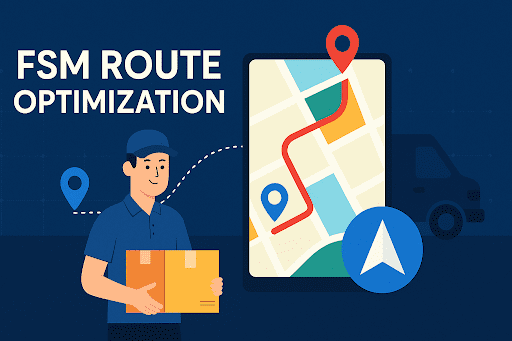
Delays add up. Whether it is traffic, a missed address, or slow communication, every lost minute lowers efficiency. With tools that support GPS route optimization for telecom, technicians stay on track. They cover more ground, and missed visits happen less often.
That keeps the schedule moving and customers satisfied.
Fuel Use Drops Without Extra Effort
Not every driver takes the same route. When dispatch is guided by data, not guesswork, the system avoids backtracking and unnecessary mileage. This is where GPS fleet management software brings quiet savings over time. Lower fuel bills. Fewer wear-and-tear issues.
Nothing flashy, just clean, consistent results.
One platform that tracks this well: Field Service Management Software
Better Oversight, Fewer Meetings
Executives do not need more dashboards, they need clarity. When tracking is done in real time, patterns begin to surface. You see which routes work. Where jobs stall. How time is really used.
It is not about watching people. It is about giving the team room to perform while removing friction.
Looking for a system that supports this kind of insight? Explore DreamzCMMS
Want to See How Real-Time Tracking Fits Into Your Workflow?Reduce delays, increase technician visibility, and strengthen daily decision-making—without overhauling your current system. Try a Free Demo and experience GPS tracking in action. |
Getting the Rollout Right — What Actually Works in the Field
Putting a new system in place should make the day smoother, not more complicated. But that only happens when the rollout fits the way people already work. That is especially true with real-time GPS tracking.
The technology is powerful. The results are proven. But the setup still matters.
Decide What Matters Most—First
Start with one question: what needs to improve right now? Maybe it is response time. Maybe it is route confusion. Maybe it is unclear job status. Pick the biggest issue, and build the early rollout around that. Everything else can come later.
Bring in the Field Crew Before Launch
No one knows the job like the people doing it. That is why early input from technicians and dispatchers is key. They will spot the friction points fast. They will also know what to skip.
And when they help shape the system, they are more likely to use it.
Explore: Time tracking software
Skip the Full Launch—Go Step by Step
Rolling out too many features at once overwhelms people. Start small. Use basic technician location tracking and real-time job assignment first. See how the team handles it. Then add automation or routing after that becomes second nature.
Slow and steady usually wins.
Field-Test the Mobile View
What works on a desktop might feel slow in the field. Check how long it takes to load a job on a phone. Try using it in a low-signal area. These are the places where adoption either takes off or stalls.
Listen, Then Adjust
The rollout is not done when the system turns on. Real feedback starts once the work begins. After a few days, ask how it feels. What takes too long? What makes sense? Keep that loop open and be ready to make small changes that help it stick.
Field Data That Speaks for Itself
- According to expert commentary, equipping field teams with real‑time location data (GPS tracking) has become a “game‑changer” for productivity and accuracy in field service operations.
- One field‑service vendor reports that real‑time tracking tools offer “live GPS location data, time‑stamped activity logs, and route history” that together improve on‐site performance and reduce wasted time.
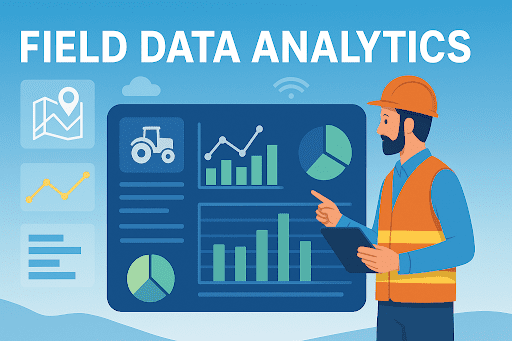
- A review of field staff monitoring found that advanced GPS‑based systems enable monitoring of distance covered, idle time, and route variances leading to measurable drops in fuel cost and travel waste.
- Vendor product details show that when real‑time GPS tracking is enabled, dispatchers can view technician activity on dashboards (check‑in/out, job completion, location) and assign nearby resources faster.
Final Thoughts — The Next Step Is Visibility
Every field operation wants to move faster, serve better, and spend less doing it. But that kind of improvement does not happen from working harder it comes from seeing more.
That is what real-time GPS tracking offers. It brings visibility to the surface. The team sees more. Dispatch responds faster. Leadership makes decisions based on what is real, not what is reported later.
This technology is not about watching people. It is about supporting them. It helps field workers avoid delays. It frees dispatchers from guesswork. It gives leaders space to manage, not micromanage.
Take the Next Step Toward Full Operational VisibilityFaster dispatch. Lower costs. Clearer field performance. These are not future goals—they are achievable outcomes when the right systems are in place. Real-time GPS tracking is more than a map. It is a tool that empowers your team, sharpens your response, and protects your bottom line.Book a Free Demo to see how it works in real-world conditions. Ready to scale? Explore the full platform with DreamzCMMS and Field Service Management Software built for telecom, utilities, and mobile service teams. |
















Subscribe to Our Newsletter
 100% SECURE
 We Respect Your Privacy
 Ready for More?
Talk to one of our CMMS experts and see how DreamzCMMS can simplify your maintenance operations.
Book a free consultation