 BACK TO Blog
Asset Rental Management
Field Service
HVAC Software: Cut Emergency Calls by 60%
- December 30, 2025
- DreamzCMMS Team
- 11 minutes read

- December 30, 2025
- DreamzCMMS Team
- 11 minutes read
The combination of unexpected HVAC system failures creates major problems which affect both customers and service providers. The sudden failure of cooling systems in retail stores and heating system breakdowns in hospitals and rooftop unit malfunctions in manufacturing facilities create operational disruptions that generate urgent service requests.
The implementation of contemporary HVAC service management software enables businesses to decrease their emergency service requests by 60%.
The combination of better scheduling and preventive maintenance planning through data-driven decision systems in modern HVAC software enables this remarkable achievement.
Why Emergency HVAC Calls Happen
Most HVAC system failures occur because of specific reasons rather than random events. The main causes of system failures stem from missing inspections and delayed service and undetected performance problems.
Here are some common causes:
- Reactive maintenance culture — The practice of waiting for equipment failure instead of performing scheduled maintenance creates a reactive maintenance culture.
- Poor tracking — The system fails to track service intervals and parts replacement schedules effectively because of poor tracking methods.
- Lack of visibility — Technicians lack access to real-time asset history and performance data because of insufficient visibility in their systems.
- Unplanned workload — The dispatchers face challenges when they need to assign technicians to specific jobs at appropriate times.
The current operational inefficiencies create additional pressure on your team members while raising costs and damaging customer satisfaction levels. The HVAC industry now uses field service management software for HVAC to implement structured automated systems which provide complete visibility of daily operations.
Smarter HVAC Operations Start Here
DreamzCMMS HVAC Service Software offers a solution for you to try.
The integrated platform enables preventive maintenance scheduling and automated dispatching which reduces emergency service requests by 60%. The system enables real-time management of assets and technicians and work orders.
The Role of HVAC Service Management Software
At its core, HVAC service management software functions as a digital platform that unifies all service operations through scheduling and maintenance planning and customer management and work order tracking, and analytics.
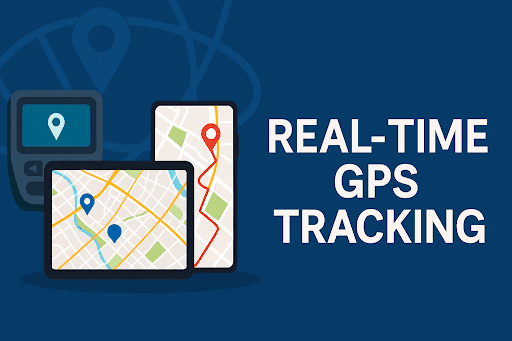
The system provides immediate access to real-time information between your office and technicians, and their customers. The dispatch system allows users to create routes and track field operations, and perform task reassignment in real time. The system allows technicians to view maintenance records and submit reports, and finalize work orders through mobile devices.
The system allows your team to perform preventive maintenance instead of reactive maintenance, which lets them fix equipment before failures occur.
Key Benefits:
- Streamlined scheduling and dispatching.
- Automatic preventive maintenance reminders.
- Centralized equipment history and documentation.
- Improved technician productivity.
- The system provides performance and cost management data for long-term operations.
HVAC Technician Scheduling Software: The Foundation of Reliability
The first step to decrease emergency HVAC service requests should focus on scheduling operations.
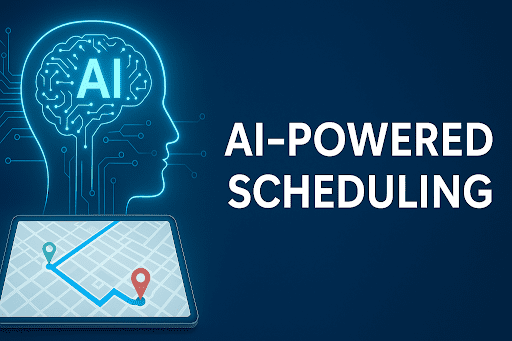
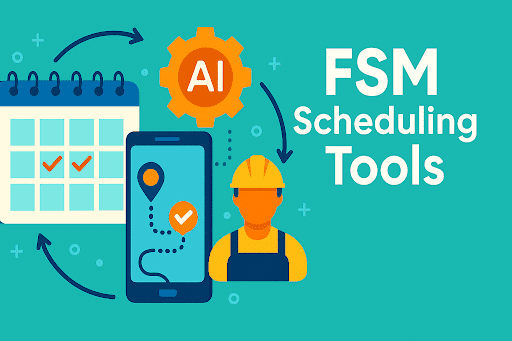
The current generation of HVAC technician scheduling software enables dispatchers to send appropriate technicians to specific jobs according to their skills and location and equipment requirements. The system prevents scheduling conflicts and human mistakes while maintaining consistent service delivery.
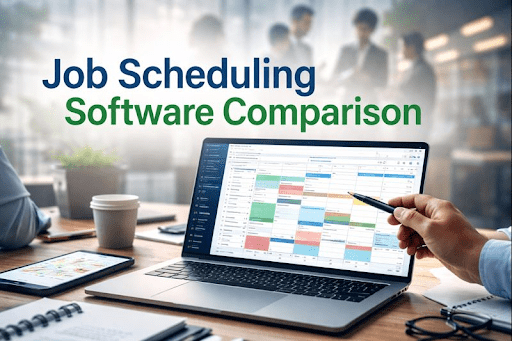
The scheduling system enables better teamwork between technicians who work in multiple-technician teams by reducing job transition time. The Job Scheduling Software provides dispatchers with instant access to view technician routes and current availability.
The scheduling system operates with high efficiency which supports emergency call reduction by maintaining scheduled preventive work and preventing service tasks from being lost.
Preventive Maintenance Scheduling Software: Stop Breakdowns Before They Start
Reliability depends heavily on preventive maintenance practices. A properly organized HVAC preventive maintenance schedule allows technicians to inspect and clean, and perform maintenance on all systems at scheduled intervals.
The software system for preventive maintenance scheduling performs automated tasks for preventive maintenance operations. The system provides maintenance alerts for assets that need service while creating work orders automatically and selecting the correct technician for assignment.
The scheduled maintenance routines enable technicians to detect minor equipment problems such as dirty coils and refrigerant leaks, before they develop into major system failures.
HVAC Maintenance Scheduling Best Practices
- Maintenance schedules should follow both manufacturer guidelines and actual equipment usage patterns.
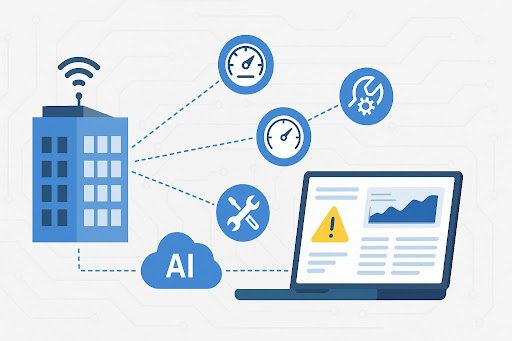
- The system uses IoT sensor data to generate predictive warning notifications.
- The system uses color-coded dashboards to display tasks that are past their due dates. Grouping nearby sites and similar systems will help reduce the time needed for travel.
- Digital documentation of every service visit will help maintain accountability.
- Proactive maintenance operations reduce emergency workloads while delivering continuous comfort to customers.
HVAC Maintenance Management System: Data at the Core
The HVAC maintenance management system functions as a database system that stores equipment records and warranty information, and service performance metrics.
The system monitors all maintenance operations and technician notes, and replacement parts throughout the complete HVAC equipment lifecycle management process.
The collected data enables managers to detect recurring system issues while enabling them to evaluate equipment performance between locations and determine when to replace failing units.
Example:
Your data indicates that the rooftop unit needs complete replacement because it has needed five compressor replacements during the past three years.
The power of analytics enables organizations to transform maintenance choices from random decisions into strategic plans.
Cost Savings from Preventive HVAC Maintenance
Emergency service calls create dual problems of high costs and significant inconvenience to customers. They often involve:
- Overtime pay for technicians.
- Expedited parts shipping.
- Temporary system downtime.
- Lost business due to customer discomfort.
Preventive HVAC maintenance generates major financial savings when compared to emergency repairs. Preventive maintenance expenses amount to one-third of what emergency repairs cost, according to research findings.
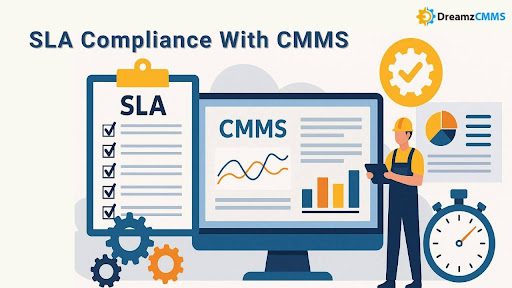
HVAC service management software automatically records the financial benefits of preventive maintenance. The system records labor time and material expenses and system downtime duration, which enables managers to determine actual return on investment.
For example, the facility, which used to experience 15 emergency service calls monthly, now experiences only six such incidents which resulting in substantial savings from reduced repair expenses and overtime costs.
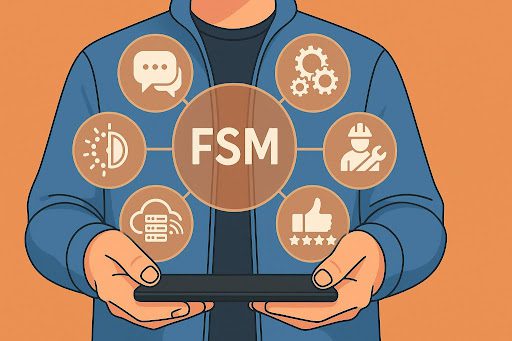
HVAC Field Service Management provides organizations with streamlined operational processes
HVAC operations today consist of various operational elements, which include customer service requests and technician dispatch and parts management and billing, and regulatory compliance.
A powerful Field Service Management Software connects all operational elements to create efficient coordination between them. ties all these together for smooth coordination.
How it Helps:
- The system unifies all work orders and service documentation into a single platform.
- The system connects with Field Service Dispatch Software to provide immediate system updates.
- The system monitors equipment performance patterns through HVAC service call analytics.
- The system uses automated systems to notify users about upcoming preventive maintenance requirements.
Field service managers obtain complete business oversight through the system, which decreases maintenance oversight and enhances initial repair achievement rates.
HVAC Service Call Analytics: Turning Data into Action
Digital tracking of service calls reveals hidden patterns to operators.
HVAC service call analytics provides organizations with essential knowledge about their equipment and customer behavior:
- The system reveals which equipment models experience the most frequent breakdowns.
- The system shows which customers need emergency service the most.
- The system shows which technicians perform the most preventive maintenance tasks.
- The system shows when breakdowns reach their peak during specific months of the year.
The obtained knowledge enables organizations to develop specific plans for reducing emergency service calls.
The analysis reveals that a particular chiller model fails during July, so your team should perform preventive checks in June to prevent breakdowns.
The software converts unorganized data into useful information, which enables organizations to make better choices and decrease emergencies.
Mobile HVAC Service Management: Empowering Technicians in the Field
The current fast-paced business environment requires organizations to adopt mobile solutions.
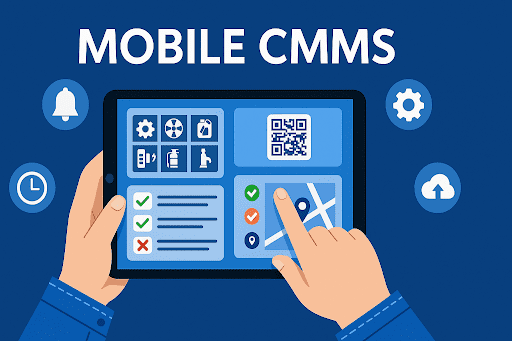
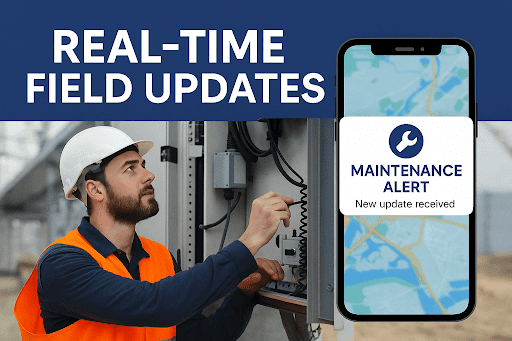
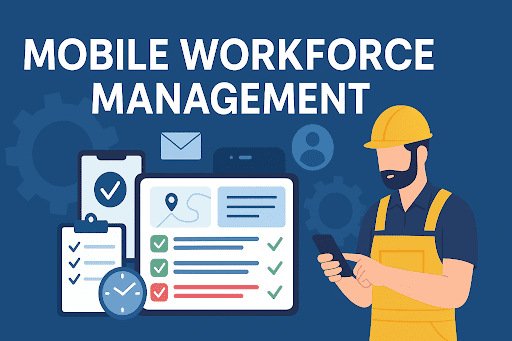
Technicians using mobile HVAC service management software can access all necessary information through their smartphones or tablets, including job information and equipment manuals and maintenance records, and digital checklists.
Technicians can perform photo documentation and work order status updates, and completion tasks directly from their current location without needing to contact the office.
The system enables immediate communication, which shortens response times and decreases mistakes while providing customers with immediate updates.
The system helps technicians follow HVAC maintenance scheduling protocols because it sends preventive task notifications to their mobile devices, which prevents scheduled inspections from being overlooked.
Preventive vs Reactive HVAC Maintenance: The Mindset Shift
The biggest transformation comes not from technology alone but from the mindset shift it enables.
The main transformation emerges from how people think because of technological advancements.
The distinction between preventive and reactive HVAC maintenance creates stable operations versus uncontrolled situations.
Teams operating in reactive mode spend their time searching for system failures to fix. The preventive approach enables teams to detect potential issues before they become problems.
Organizations can establish preventive maintenance systems through HVAC service management software, which enables them to track equipment performance and decrease emergency service requests.
The transition to planned work assignments enables technicians to perform their duties with better preparedness because they no longer receive emergency service requests.
HVAC Equipment Lifecycle Management: Extending Asset Life
The operational life of HVAC equipment consists of four stages, which start with installation, followed by operational use and maintenance, before reaching its replacement stage.
The HVAC equipment lifecycle management system tracks and optimizes all stages of equipment operation.
The software maintains a record of all maintenance activities and warranty information, and performance data starting from the time a new unit gets installed.
The system provides complete digital records for replacement planning when equipment reaches its end-of-life stage.
The lifecycle management system helps organizations avoid unexpected equipment failures while enabling better budget planning and sustainability practices.
HVAC Emergency Call Reduction Strategies: Practical Tips
Your HVAC software tools enable you to implement these proven methods for decreasing emergency call numbers:
- Automate preventive schedules — The system should run automated preventive maintenance tasks for all equipment assets through scheduled work orders.
- Use analytics - The system uses analytical tools to identify equipment that shows signs of high failure probability.
- Enable mobile updates - Technicians can report system issues immediately through mobile updates enabled by the system.
- Set performance thresholds - The system allows users to establish specific performance limits for temperature readings and vibration levels, and power usage measurements.
- Train customers - The system should include training modules that teach customers how to properly maintain their equipment and clean filters.
- Review reports monthly - The system generates reports every month to track performance metrics and verify preventive maintenance adherence.
Your digital system will show continuous emergency dispatch reduction when you maintain these strategies as part of your operations.
Real-World Impact: From Chaos to Control
A typical HVAC company operates 500 assets throughout commercial buildings in its service area.
The company received 20 emergency service requests weekly before implementing HVAC service management software, which resulted in $400-$700 in combined labor and parts expenses. The implementation of preventive maintenance scheduling software and regular inspections through the system resulted in a 60% decrease in emergency service requests during the first half of the year.
The technicians dedicated their time to delivering high-quality maintenance work instead of rushing to fix urgent breakdowns. The enhanced system reliability generated positive customer experiences, which resulted in extended contracts and positive word-of-mouth recommendations.
Smart HVAC management delivers its actual return on investment to organizations.
Conclusion: Build a Predictable, Profitable HVAC Operation
The reduction of emergency HVAC service requests by 60% depends on established operational procedures rather than chance occurrences.
The correct HVAC service management software provides your team with better visibility and control and enhanced operational efficiency. The system enables automatic preventive maintenance scheduling and complete asset lifecycle tracking and predictive failure detection through analytical tools.
The result?
- Fewer emergency calls.
- Lower repair costs.
- Happier technicians.
- More satisfied customers.
Your HVAC maintenance management system should include HVAC technician scheduling software and mobile HVAC service management and work order management tools for complete implementation.
Your business will achieve stability and profitability and gain customer trust through the implementation of preventive intelligence, which replaces reactive chaos.
Experience the Power of Smart HVAC Management
DreamzCMMS provides you with complete control over your HVAC maintenance operations through its platform.
The platform enables automated scheduling and performance tracking and reduces downtime operations within a single system



















Subscribe to Our Newsletter
 100% SECURE
 We Respect Your Privacy
 Ready for More?
Talk to one of our CMMS experts and see how DreamzCMMS can simplify your maintenance operations.
Book a free consultation