 BACK TO Blog
Asset Rental Management
Field Service
Field Service Dispatch Best Practices
- February 09, 2026
- DreamzCMMS Team
- 10 minutes read

- February 09, 2026
- DreamzCMMS Team
- 10 minutes read
Dispatch Problems Rarely Announce Themselves
Dispatch usually fails quietly. A delayed response here. A rerouted technician there. Nothing dramatic. Nothing escalated. Until patterns appear.
Leadership notices when response time slips without a clear reason. Headcount looks fine. Demand looks predictable. Yet customers wait longer. Costs creep up. That is when field service dispatch best practices become relevant, not as theory but as damage control.
Dispatch does not exist to move jobs. It exists to protect commitments.
Response Time Is a Consequence, Not a Goal
Most teams chase speed. Faster assignment. Faster routing. Faster updates. Speed alone does not reduce field service response time if decisions lack context.
Executives tend to observe this indirectly. They see repeated rescheduling. They see uneven workloads. They see experienced technicians absorbing complexity while others idle.
This is not a technician problem. It is a dispatch structure problem.
Dispatch Optimization Starts With Visibility Gaps
Many dispatch teams operate without full awareness. Job status lives in one place. Technician availability lives in another. Priority rules exist informally.
This is why field service dispatch optimization often stalls. Without shared visibility, dispatch decisions rely on memory and habit.
Organizations that centralize execution using Field service dispatch software paired with Job scheduling software remove these gaps. Dispatch becomes less reactive. Decisions become defensible.
Efficiency Breaks Down Under Pressure
Dispatch efficiency looks fine on calm days. Pressure reveals weakness.
Emergency calls. Job overruns. Equipment failures. These moments expose whether dispatch efficiency best practices actually exist or whether they were assumed.
Without real-time dispatch optimization techniques, teams improvise. Improvisation scales poorly.
Management Is Not the Same as Control
Many leaders assume dispatch is being managed because someone owns it. Ownership does not guarantee control.
True field service dispatch management shows up in consistency. Similar decisions under similar conditions. Fewer overrides. Fewer exceptions.
Systems like Field Service Management Software support this consistency by anchoring dispatch inside execution rather than conversation.
Leadership visibility improves further when dispatch performance is reviewed through Field service reporting software, not anecdotal updates.
Informality Always Has a Cost
Informal dispatch practices feel helpful. They move work quickly. They bypass friction. They also create dependency.
Over time, organizations notice declining technician utilization optimization, rising overtime, and uneven first-time fix outcomes.
These symptoms usually trace back to missing dispatch workflow automation and inconsistent dispatch communication best practices.
Technology Is Not the Starting Point
Automation does not fix confusion. It amplifies it.
Leaders evaluating automated dispatch scheduling benefits pay attention to how decisions are made when systems disagree with people. That moment defines adoption.
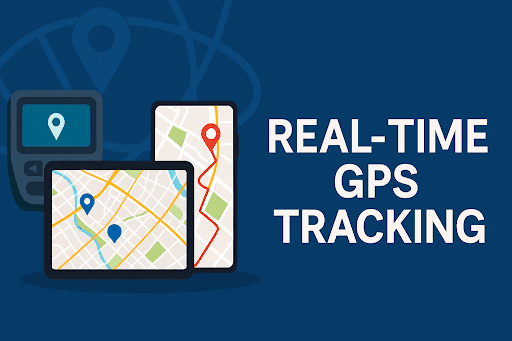
Routing intelligence such as GPS-based dispatch routing strategies only adds value when priority logic is already clear.
Training matters. Not software training. Decision training. This is where field service dispatcher training best practices quietly influence outcomes.
Pause Before ScalingIf dispatch performance feels acceptable today, consider how it behaves during disruption.Volume spikes, emergency calls, and resource gaps expose weaknesses that routine operations hide. Observing those moments often clarifies where control is lost. Use a DreamzCMMS Free Demo to review dispatch behavior under realistic conditions before scaling changes across operations. |
Dispatch Breaks When Conditions Change
Dispatch rarely fails during routine work. It fails when the environment shifts. Volume increases. Priorities collide. Information arrives late. That is when weak practices surface.
This is where field service dispatch strategies separate stable operations from reactive ones.
Optimization Is Tested During Disruption
On calm days, most dispatch setups appear adequate. When emergency work enters the system, the picture changes.
Executives pay attention to how teams respond during disruption. Not the speed of assignment, but the quality of decision-making. Whether trade-offs are clear. Whether priorities remain consistent.
Effective emergency dispatch response optimization depends on clarity that exists before urgency arrives. When rules are informal, dispatchers hesitate. Response time stretches.
Real-Time Data Is Only Useful When It Is Trusted
Many systems claim real-time capability. Fewer earn trust.
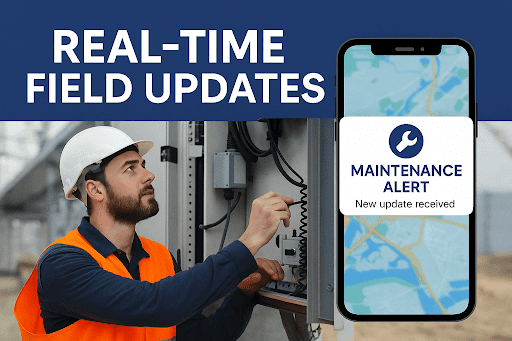
Dispatch teams stop relying on data when it feels incomplete or delayed. Leaders notice when decisions revert to phone calls and personal judgment. That shift usually signals gaps in real-time dispatch optimization techniques.
Organizations that integrate live updates through Field service dispatch software connected to Job scheduling software reduce this drift. Dispatch decisions align more closely with actual field conditions.
Mobile Dispatch Changes Behavior
Dispatch does not operate in isolation. Field feedback matters.
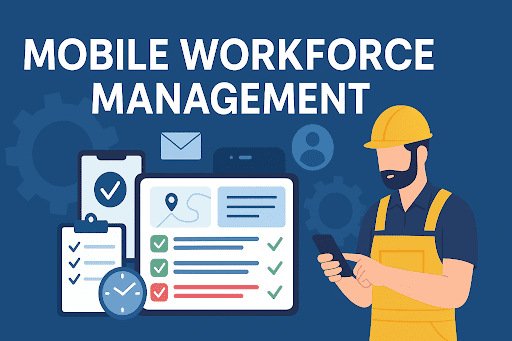
Executives evaluating mobile dispatch management strategies observe whether technicians update status consistently or only when prompted. Adoption reveals more than usage statistics.
When mobile workflows are supported by Field Service Management Software, dispatch accuracy improves. When mobile tools feel optional, dispatch quality erodes.
First-Time Fix Rate Reflects Dispatch Quality
First-time fix outcomes often get attributed to skill or inventory. Dispatch plays a role that is less visible.
Assigning the right technician, at the right time, with the right context influences field service first-time fix rate improvement more than most organizations expect.
Dispatch systems that surface skill alignment and job history quietly improve outcomes without additional staffing.
Utilization Is a Dispatch Signal, Not a Workforce Issue
Idle technicians and overworked specialists often coexist. Leadership notices this imbalance before metrics explain it.
Poor technician utilization optimization usually traces back to dispatch choices made under pressure. Who gets assigned first. Who absorbs complexity. Who gets bypassed.
Dispatch teams supported by dispatch workflow automation rely less on habit and more on logic. Over time, utilization evens out.
Routing Is About Predictability, Not Distance
The shortest route is not always the best route. Traffic patterns, job duration uncertainty, and follow-up probability matter.
Executives examining routing performance look beyond maps. They consider whether GPS-based dispatch routing strategies reduce variability rather than simply distance. Predictability improves planning confidence. That confidence feeds back into dispatch discipline.
Training Is About Judgment
Tools do not replace judgment. They shape it. Organizations investing in field service dispatcher training best practices focus less on software navigation and more on decision consistency. What to escalate. What to delay. What to protect.
Training reinforces structure. Structure supports speed.
Visibility Ends Arguments
Dispatch debates usually happen after outcomes disappoint. Data resolves them.
Leadership teams use Field service reporting software to examine response time patterns, reassignment frequency, and exception volume. These insights reduce anecdotal decision-making. When dispatch data is visible, accountability improves.
Dispatch Discipline Shows Up Late
Dispatch discipline is rarely visible at the start. It shows up later. After growth. After stress. After assumptions stop holding. That is when field service dispatch best practices either exist or do not.
Response Time Slips Before Anyone Notices
Response time usually changes slowly. Minutes at first. Then patterns. Leadership notices it indirectly. Through escalations. Through customer feedback. Through rising internal noise. Efforts to reduce field service response time often fail because they focus on urgency instead of structure.
Speed Is Not the Same as Control
Fast decisions feel productive. They are not always correct. Executives learn this when rapid dispatch creates uneven outcomes. Some technicians absorb complexity. Others wait. Reassignments increase. Attempts to improve dispatch response time without control often increase friction.
Dispatch Becomes Informal Without Structure
When systems do not support decisions, people do. Dispatchers rely on memory. Planners rely on experience. Phone calls replace workflows. This is how field service dispatch management becomes dependent on individuals instead of process. Organizations that anchor execution through Field service dispatch software connected to Job scheduling software rely less on habit.
Efficiency Breaks Quietly
Dispatch inefficiency does not announce itself. It appears to have uneven utilization. Repeated overrides. Delayed follow-ups. These signals point to missing dispatch efficiency best practices, not staffing shortages.
Optimization Is Tested Under Stress
Dispatch looks organized until conditions change. Emergency work enters the system. Job duration shifts. Availability tightens. Without real-time dispatch optimization techniques, decisions are slow. Recovery drags. This is where emergency dispatch response optimization matters most.
Utilization Is an Outcome of Dispatch Choices
Idle time and overload often exist together. Leadership notices the imbalance before reports explain it. Improving technician utilization optimization usually requires fewer exceptions, not more rules.
Routing Is About Predictability
Shortest routes rarely solve dispatch problems. Predictable outcomes do. GPS-based dispatch routing strategies help when variability is reduced, not when distance alone is optimized.
Automation Does Not Replace Judgment
Automation changes who decides. Executives evaluating automated dispatch scheduling benefits observe how often humans step back in. Trust grows when outcomes remain consistent.
Visibility Ends Debate
Arguments fade when data appears. Leadership relies on Field service reporting software to see what dispatch actually does, not what it intends to do.
Alignment Reduces Friction
Dispatch and scheduling rarely fail independently. Misalignment creates repetition.
Organizations that unify logic through Field Service Management Software reduce correction cycles. Some align dispatch with asset workflows using DreamzCMMS. Others adopt industry tools such as Plumbing Dispatch Software to match execution reality.
Consistency Is the Final Test
Dispatch stability does not come from pressure. It comes from repeatable decisions. This is how organizations apply field service dispatch optimization without increasing headcount.
Observed Outcomes From Dispatch Changes
Organizations that change how dispatch decisions are made tend to notice similar patterns, even when they do not measure them formally.
- Response times shorten, not immediately, but steadily. Small improvements compound over months.
- Technician idle time becomes easier to spot. It does not disappear, but it becomes explainable.
- Emergency work causes less disruption to planned work. Schedules recover faster.
- First-time fixes improve when dispatch assigns context, not just tasks.
- Overtime stabilizes once reassignment stops being the default response.
Most leadership teams recognize these changes before dashboards confirm them.
What Leaders Actually Say
Service Operations Head
“We stopped arguing about why things were late. Dispatch decisions became predictable. That alone reduced noise across the team.”
Regional Director
“Nothing dramatic changed overnight. What changed was how often we stepped in. That number dropped.”
VP, Field Operations
“We thought we had a staffing problem. It turned out to be a dispatch problem. Once assignments became consistent, utilization evened out.”
COO, Service Organization
“The system did not make us faster. It made us calmer. That is when performance improved.”
Conclusion
Field service dispatch does not improve through urgency. It improves through clarity. When priorities are consistent, visibility is shared, and decisions follow structure, outcomes stabilize.
Most dispatch problems are not visible at the start. They surface as small delays, uneven workloads, and repeated exceptions. Over time, those signals accumulate. Leadership notices the impact long before teams name the cause.
Applying field service dispatch best practices is less about tools and more about discipline. The organizations that succeed are not the fastest. They are the most consistent. Dispatch becomes predictable. Recovery becomes quicker. Pressure creates fewer surprises.
That stability is what allows service operations to scale without losing control.
Review Dispatch Where Pressure Is HighestIf dispatch decisions already require frequent manual correction, it is worth pausing.Review how dispatch behaves when plans change, not when conditions are ideal. A short, focused evaluation often reveals more than extended discussion. Start with a Free Demo and explore DreamzCMMS to observe whether dispatch decisions remain stable under real operating pressure. |
Additional ReadsFor organizations operating in trade-specific service environments, dispatch challenges often surface differently. Plumbing Dispatch Software — A practical look at how dispatch workflows adapt to high-urgency, location-driven service calls and technician specialization. |




























Subscribe to Our Newsletter
 100% SECURE
 We Respect Your Privacy
 Ready for More?
Talk to one of our CMMS experts and see how DreamzCMMS can simplify your maintenance operations.
Book a free consultation