 BACK TO Blog
Asset Rental Management
Field Service
SLA Management: Keep Commercial Clients Informed & Happy
- December 30, 2025
- DreamzCMMS Team
- 9 minutes read

- December 30, 2025
- DreamzCMMS Team
- 9 minutes read
Introduction: Why Communication Defines Client Satisfaction
Commercial service relationships will lose their clients when their communication systems fail even when teams maintain high operational efficiency. Service Level Agreements (SLAs) establish service requirements yet continuous communication maintains alignment between parties.
Customer communication tools together with SLA management systems enable businesses to achieve their service targets while delivering real-time updates to clients which enhances transparency and maintains customer trust. The automated system enables your team to maintain delivery focus while clients experience continuous updates and value.
The Role of SLAs in Client Relationships
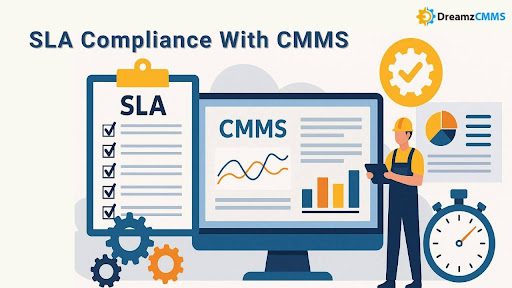
Service Level Agreements (SLAs) establish service requirements which providers must meet for their commercial clients through defined response times and uptime guarantees and resolution timeframes. Service Level Agreements serve as essential tools for both accountability and customer satisfaction in facilities management and IT support and field service operations.
The manual process of SLA management produces three main issues:
- Human errors result in delayed service delivery because of insufficient monitoring.
- The system fails to show complete performance data to users.
- The delayed delivery of updates to clients leads to their frustration.
SLA management software has become the solution for businesses to track and report services while sending alerts through advanced client communication systems.
1. SLA Management Systems Improve Client Communication Through Their Operations
Real-time service level agreement management tracks all service events and milestones which enables organizations to achieve better results. The combination of customer communication tools with SLA management systems establishes an active feedback system which removes all doubts.
The system provides three main advantages to users:
- The system provides clients with immediate access to performance data through their online access portal.
- The system maintains complete transparency by recording all SLA-related updates and delays for sharing with clients.
- The system decreases misunderstandings through its automated notification system which replaces traditional manual check-ins.
The system provides clients with information instead of worry while your team avoids dealing with continuous phone calls and email exchanges.
2. SLA Management Software Enables Real-Time Service Monitoring
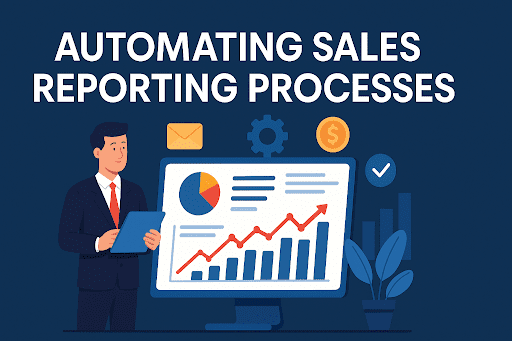
The current generation of SLA management software enables users to monitor their response times and track open tickets, and monitor resolution patterns through its dashboard interface. The system generates automatic alerts that send notifications to both internal staff members and external clients when performance thresholds approach their limits.
The system includes three essential capabilities for operation.
- The system tracks SLA compliance by showing users their progress toward their contractual targets.
- The system sends immediate service notifications to users whenever system updates become available.
- The system enables automatic escalation of critical issues to reach senior technicians or management personnel.
A commercial client management software suite that incorporates these features enables businesses to handle multiple contracts simultaneously without failing to meet their service level agreements.
3. The Power of Automated Client Updates
Service delivery becomes slower when organizations use manual communication methods. Automated tools solve this problem.
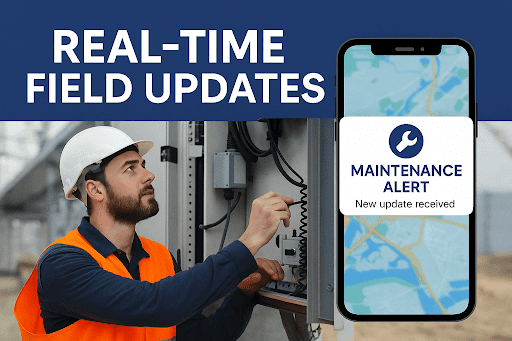
The system generates automatic updates for clients at specific service milestones, which include job assignment and technician arrival, and task completion to enhance trust and minimize uncertainty. The system eliminates the need for clients to ask about service status updates.
The system provides three main benefits to users:
- The system delivers uniform service quality to all clients.
- The system reduces the amount of time field teams need to send individual updates.
- The system generates alerts through channels that users have selected for their preferences, including email and SMS, and in-app notifications.
In-App Chat: Instant Client Conversations
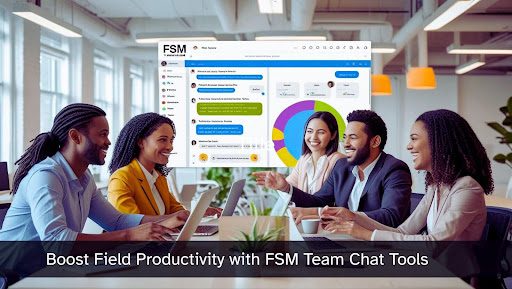
The implementation of in-app chat tools enables users to establish immediate communication with each other. The platform enables technicians and back-office staff, and clients to exchange updates and files, and photos within a protected environment. The system maintains all job-related messages in a single platform, which prevents delays from using multiple communication applications.
4. Client Portals: Your 24/7 Communication Bridge
A client communication platform with built-in portals enables clients to monitor service progress in real-time. Through the customer portal, clients can access the following features:
- The system allows users to monitor their active and finished work assignments.
- The system shows users their current SLA compliance status.
- Users can access their reports and invoices through the system.
- Users can initiate new service requests and provide feedback through the system.
The system reduces client requests while providing complete visibility into all operations which enables clients to maintain control and experience peace of mind.
5. Proactive Client Communication Builds Trust
Service becomes reactive when organizations only respond after clients start complaining. Leading organizations use proactive client communication to alert customers about potential issues before they become aware of any problems.
Teams can use customer notification systems to send alerts about upcoming SLA breaches before they occur. For example:
- The system should automatically send updated ETA information to customers when technicians experience delays.
- The system should alert clients about necessary changes to their maintenance schedule through recommended actions.
The system provides complete visibility to customers, which creates trust that leads to enduring customer relationships.
6. Customer Engagement Tools that Drive Loyalty
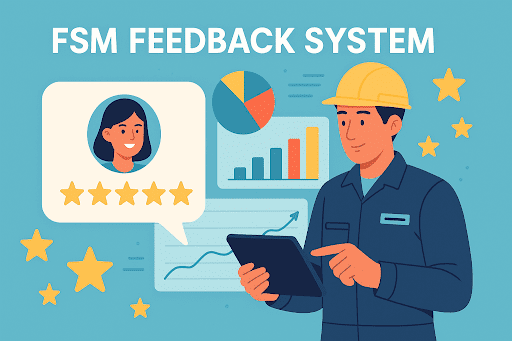
Customer engagement tools serve to build lasting relationships with customers through their operations. The management platform receives survey data and chat records and communication logs which enable teams to detect satisfaction patterns and stop customer departures and create customized client interactions.
Service agreement tracking with engagement data enables organizations to modify their SLAs through time-based adjustments which match client needs for better and enhance customer satisfaction.
7. Field Service Communication Tools for On-Ground Teams
The field technicians who work for your organization represent your brand through their direct interactions with customers. Field service communication tools enable teams to maintain smooth operations between staff members and their clients.
Technicians can:
- Send job start/completion updates
- Capture before-and-after photos
- Generate instant digital service reports
The system provides immediate visibility which helps teams maintain accountability while tracking SLA performance.
8. SLA Compliance Tracking Made Simple
The process of handling various Service Level Agreements (SLAs) through manual systems proves to be challenging. SLA management software enables automatic tracking and reporting functions for users.
The system tracks three essential performance indicators, which include:
The system tracks both response times and resolution times, first-time fix rates, and all instances of SLA breaches.
These reports deliver evidence-based information that organizations can use to prove their consistent service delivery and reliability to their clients.
9. Real-Time Notifications: Turning Delays into Confidence
Service delays occur, but organizations can maintain client trust through effective communication about these delays.
The system sends updates to clients at every stage of the service process, including when a technician is assigned and when the job starts and finishes, and when there are any changes to the schedule. The system provides complete visibility, which turns potential negative experiences into positive feedback about your professional service.
10. Integrating SLA Management with Communication Tools
The combination of SLA management software with customer communication tools creates an integrated system that operates as a single unified platform. The system connects CRM information with job status updates and SLA performance metrics to achieve precise and uniform results.
- The system provides two main advantages to users.
- The system delivers continuous updates to all stakeholders who need them.
- The system reduces human work while minimizing the number of missed alerts.
- The system provides complete visibility into both job records and performance metrics which enable better compliance tracking.
The system enables organizations to maintain SLA compliance through its integrated design which simultaneously enhances customer service quality.
11. Service Agreement Tracking and Reporting
Clients need more than SLA tracking because they want to see all service details. Service agreement tracking tools generate automated reports that present uptime statistics together with resolution timeframes and complete SLA compliance reports.
The VoIP phone system integration enables teams to perform quick client calls and voice updates during SLA performance report reviews, which helps them maintain efficient personal connections.
12. Leveraging Customer Notification Systems
A customer notification system enables organizations to send automated messages through multiple channels including SMS and push notifications and in-app alerts.
- The system provides three main benefits to users.
- The system delivers immediate updates through channels that customers select.
- The system enables users to set customized alert preferences for different client segments.
- The system decreases the need for human intervention to follow up with customers.
The system enables organizations to deliver updates consistently while maintaining the high level of responsiveness that clients expect.
13. Data-Driven Insights from SLA Management Software
SLA events create valuable information which SLA management software transforms into useful business insights. The system analyzes data to help organizations prevent service breaches and enhance their scheduling operations and speed up their delivery processes.
Service managers who analyze this data can establish proactive communication with clients to handle potential issues before they impact operational performance or customer satisfaction.
14. Simplifying Multi-Client Operations
Service providers who work with multiple commercial clients need to maintain both precision and organizational systems. Commercial client management software unites all client information with communication records and service level agreement data into a protected centralized system.
The system enables fast coordination and provides complete visibility into all client updates which helps teams maintain compliance and deliver quick responses during demanding situations.
15. The Future: AI-Powered SLA Communication
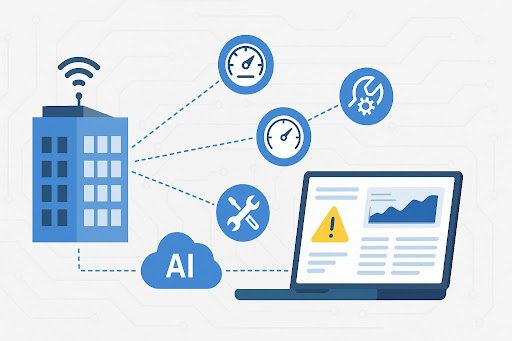
AI technology has transformed the way organizations track and communicate Service Level Agreements. Modern intelligent systems use client history to create customized alerts and predict service disruptions before they occur.
Businesses can transform SLA management into a trust-building advantage through the combination of automation and analytics and AI-driven insights.
Conclusion: Keep Clients Informed, Confident, and Loyal
The establishment of strong SLAs creates client expectations, yet ongoing communication maintains their satisfaction. Businesses can build customer trust while enhancing service transparency by combining customer communication tools, SLA software, and integrated reporting systems.
Every business interaction through automated client updates, real-time notifications, and client portal communication enhances professional reliability. Clients who receive continuous updates will develop loyalty toward the company.
DreamzCMMS: Powering Communication, Trust, and ComplianceThe combination of smart communication tools with automation systems enables businesses to deliver clear service experiences while upholding SLA requirements. The unified system enables businesses to handle client updates and reports, and performance metrics, which results in daily relationship growth with customers.DreamzCMMS — Simplify communication. Strengthen trust. Free Demo — Schedule your personalized walkthrough today! |











Subscribe to Our Newsletter
 100% SECURE
 We Respect Your Privacy
 Ready for More?
Talk to one of our CMMS experts and see how DreamzCMMS can simplify your maintenance operations.
Book a free consultation