 BACK TO Blog
Asset Rental Management
Field Service
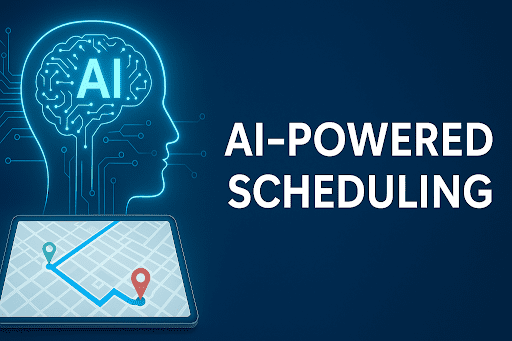
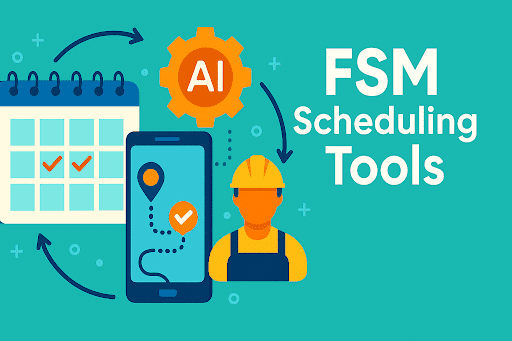
AI-Powered Scheduling: The Key to Smarter Field Operations
- December 30, 2025
- DreamzCMMS Team
- 8 minutes read
- December 30, 2025
- DreamzCMMS Team
- 8 minutes read
Why AI-Powered Scheduling Has Become a Strategic Imperative
Managing service teams is no longer just about getting technicians from one job to the next. It is about how efficiently every mile is driven, how precisely every schedule is set, and how clearly each hour contributes to the bottom line.
This is where AI-powered scheduling begins to make sense not as a tech upgrade, but as a core operational asset.
At its best, this technology helps leaders create schedules that flex in real time. When a job runs long or traffic slows down a route, AI adapts immediately. There is no waiting on calls or hoping the team in the field sees the update in time. Everything syncs automatically.
The value goes beyond convenience. With smart use of route optimization software, businesses reduce fuel use and idle time. With automated technician scheduling, they make sure each team member’s time is used well without overloading anyone. And with systems built around technician productivity software, the data reveals what is working, what is not, and where the next improvement should happen.
This is not theoretical. These tools work day in and day out. Whether the priority is to reduce fuel costs with route planning, keep jobs on track, or free up time for more high-priority calls, AI-driven systems are proving they can deliver all while giving leadership clear visibility into field performance.
Done right, AI scheduling for field service does more than help manage chaos. It replaces it with clarity.
How AI Scheduling Actually Works in the Field
There is no shortage of software promising to improve operations. What sets AI-powered scheduling apart is how it performs under pressure during real-time changes, last-minute cancellations, or overlapping service requests.
The value does not come from what it promises on paper. It comes from how it supports the day-to-day decisions that keep the business running.
Schedules That Flex With the Day
In a typical service operation, no two days play out the same. What begins as a well-planned schedule often shifts by mid-morning. Jobs take longer than expected. Traffic builds. Customers call with updates.
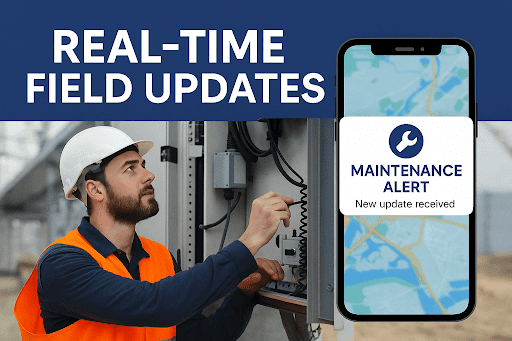
Smart tools make those changes manageable. With real-time schedule adjustments, the system reshapes the day in seconds. Dispatchers do not need to start over; they simply approve or review suggested updates.
Smarter Routes, Less Downtime
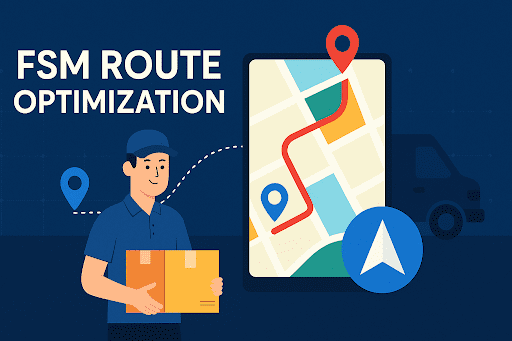
Not every technician needs to take the same path. With built-in route optimization software, teams move with purpose. The software accounts for location, job type, urgency, and availability matching people to work more effectively. Fuel use drops. Idle time fades.
Explore: Vehicle GPS tracking
Less Manual Oversight, More Control
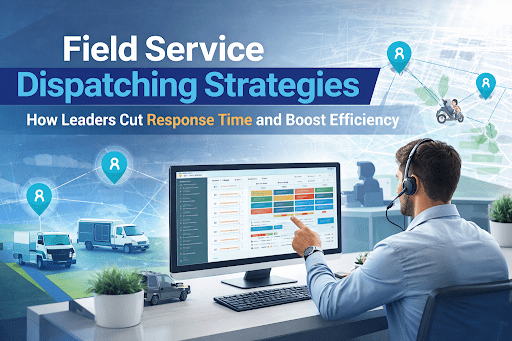
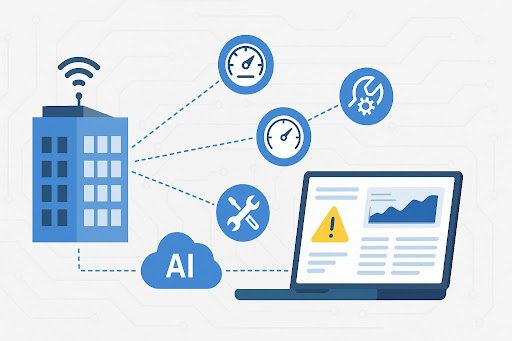
With an AI-driven dispatching system, managers see progress as it happens. Instead of constant check-ins, there is quiet visibility. The platform shows job statuses, routes in motion, and team activity without adding noise to the process.
Better Assignments, Better Outcomes
AI learns. Over time, it identifies which technicians handle specific tasks with more efficiency. It begins assigning accordingly. That is where technician efficiency optimization shows its value not by pushing people harder, but by matching them to the right jobs.
Designed for Work in the Field
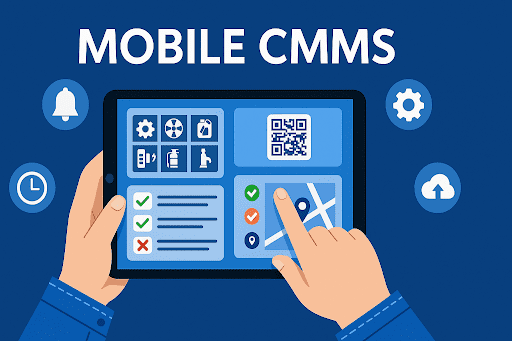
Office-friendly tools do not always work on the road. Good systems are built for technicians who are out all day. That means fast-loading mobile screens, minimal steps, and clear instructions.
How the Numbers Shift When Scheduling Gets Smarter
Operational tools are often measured by how smoothly they run. But at the executive level, smoothness is not enough. Results need to show up in costs, output, and service quality.
When businesses invest in AI-powered scheduling, they are not buying convenience, they are unlocking a set of measurable gains that touch nearly every part of the operation.
Fewer Miles, Lower Fuel Spend
The route your technicians take every day has a cost. When those paths are chosen without optimization, fuel waste adds up. With proper use of route optimization software, travel becomes more direct. That is not just a small savings it adds up across teams and months.
More Work, Without More People
Getting one or two extra jobs done per technician per week may not sound like much. But scaled across a team, it is a game-changer. Technician productivity software does not force more work; it frees up time by removing delays, confusion, and downtime between jobs.
It is one of the cleanest ways to grow capacity without hiring.
Better On-Time Delivery, Better Retention
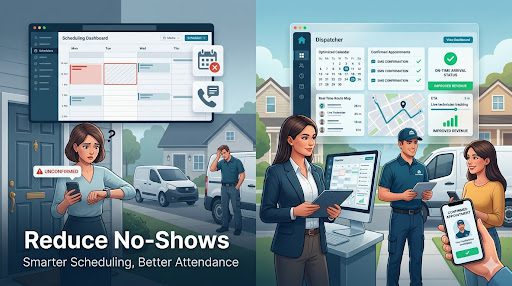
When technicians arrive late or not at all customers lose faith. That is hard to recover from. Systems that offer real-time schedule adjustments keep things accurate. Customers know when to expect someone. Jobs stay on track. And the business builds trust with every completed call.
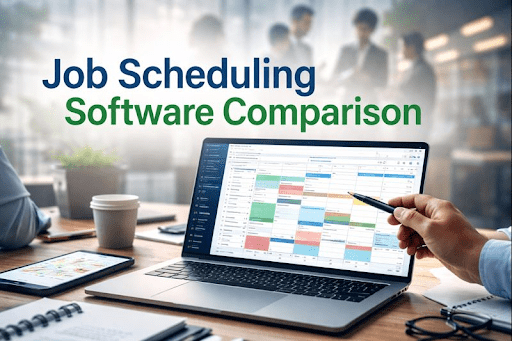
Explore: Job scheduling software
Cleaner Data, Sharper Decisions
Often, leadership makes decisions based on fragments. AI tools shift that. With full visibility into what happened, when, and how long it took, executives are in a better position to plan, refine, or redirect resources.
Explore: Field Service Management Software
Immediate Wins, Long-Term Efficiency
The impact is not always dramatic overnight but it is steady. Fuel budgets drop. Job volume rises. Service errors decline. And over time, the entire operation begins to move with a kind of rhythm that was not possible before.
For solutions that support this shift explore: DreamzCMMS
Curious How This Works in Practice?Discover how leading service teams are using AI-powered scheduling to improve response times, reduce fuel use, and boost technician efficiency without adding complexity.Explore a live example with a Free Demo |
Avoiding the Usual Pitfalls — Lessons From the Field
AI tools carry promise, but the way they are introduced matters just as much as the features they offer. A rollout that misses key details can slow things down instead of speeding them up. Not because the platform is weak but because the plan missed real-world variables.
In the case of AI-powered scheduling, these are the most common stumbles and the ways leadership can move around them.
No Input From the Front Line
It is easy to move forward based only on leadership goals. But tech adoption begins at ground level. If the software feels out of sync with the way technicians work, it will not get used. Before setup starts, gather field input. Simple adjustments based on real feedback often make the difference.
Rolling Out Everything at Once
Many systems come with full stacks of options. But just because you can activate everything does not mean you should. Start small. Build on what works. Automated technician scheduling is a strong place to begin. It helps the team immediately, without heavy setup.
Not Thinking Mobile-First
The office view may be clean and complete. But most problems happen out in the field. If the mobile version loads slowly or is hard to tap through with gloves on, it will frustrate techs. Even a good system can fall flat if it adds time to a job.
Choosing Software That Is Too Generic
Some platforms try to serve every industry. They end up serving none particularly well. For strong outcomes, look for field service optimization software that is built around the tasks your teams actually face each day.
No Room for Adjustments
Every new system needs a few rounds of tuning. That is expected. Teams may have different learning curves. Schedules might need tweaks. The plan should leave space for this. Keep feedback loops open for the first few weeks and respond quickly to patterns that show up.
Where It All Leads — Smarter Scheduling, Better Outcomes
Every team wants to be more efficient. But in practice, efficiency often gets buried under complexity missed jobs, delayed updates, back-and-forth communication that slows the day. The shift to AI-powered scheduling offers something simpler: clarity.
It is not about replacing people. It is about helping them do what they already do just faster, smoother, and with fewer delays in between. Technicians spend more time solving problems and less time waiting for direction. Dispatchers adjust plans with confidence. Leadership sees what is happening without chasing down reports.
All of this adds up. Better fuel control. Stronger output per team. Fewer mistakes. A workday that moves instead of stalls.
See what the system looks like in practice explore: DreamzCMMS
In a market that moves fast, those who optimize early stay ahead. For businesses serious about better scheduling and the benefits it brings now is a good time to start the shift.
Take the Next Step Toward Smarter SchedulingThe tools are ready. The returns are proven. Now is the time to take the next step toward service operations that move faster, cost less, and scale more easily.Whether your priority is cutting fuel costs, improving technician output, or reducing schedule chaos, a better system starts with one decision. Book a Free Demo today and see how AI-powered scheduling fits into your field service strategy. |

















Subscribe to Our Newsletter
 100% SECURE
 We Respect Your Privacy
 Ready for More?
Talk to one of our CMMS experts and see how DreamzCMMS can simplify your maintenance operations.
Book a free consultation