 BACK TO Blog
Asset Rental Management
Asset Maintenance
What Is Enterprise Asset Management? A CEO’s Guide to EAM
- July 14, 2026
- DreamzCMMS Team
- 13 minutes read
- July 14, 2026
- DreamzCMMS Team
- 13 minutes read
Neverending repairs and maintenance, a limited budget for maintenance of physical assets of your organization and increasing repair and maintenance costs. These are just a few of the reasons why you might not want to read about enterprise asset management.
Enterprise Asset Management Explained
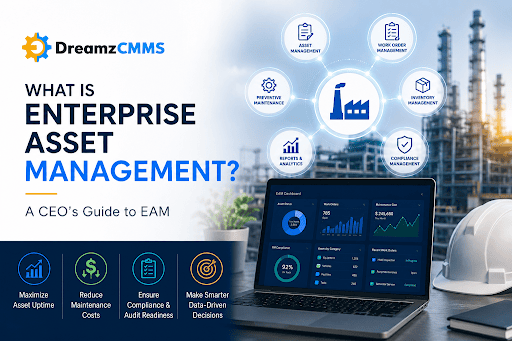
Enterprise Asset Management (EAM) is a practice and/or software tool that organizations with physical assets use to maintain and optimize their assets such as HVAC equipment, production machinery, company vehicles, generators, and company owned buildings. An effective EAM system allows organizations to maintain a current, complete and accurate list of their physical assets, including all of the details and specifications for each asset, the location of the asset, the current condition of the asset and all required maintenance and/or repairs to operate the asset efficiently and effectively.
This is very different from having a maintenance calendar or a stock of spare parts. Maintaining assets to ensure optimal uptime requires a very organized and structured discipline that is able to be tracked from the time the asset is acquired through to the time that it is decommissioned. The material within an EAM system focuses on moving from a reactive/tribal knowledge style of maintenance to a documented/data driven style of maintenance that any team member can follow.
Why Enterprise Asset Management Matters
There are several reasons why Enterprise Asset Management is so much more important today than it was 10 years ago.
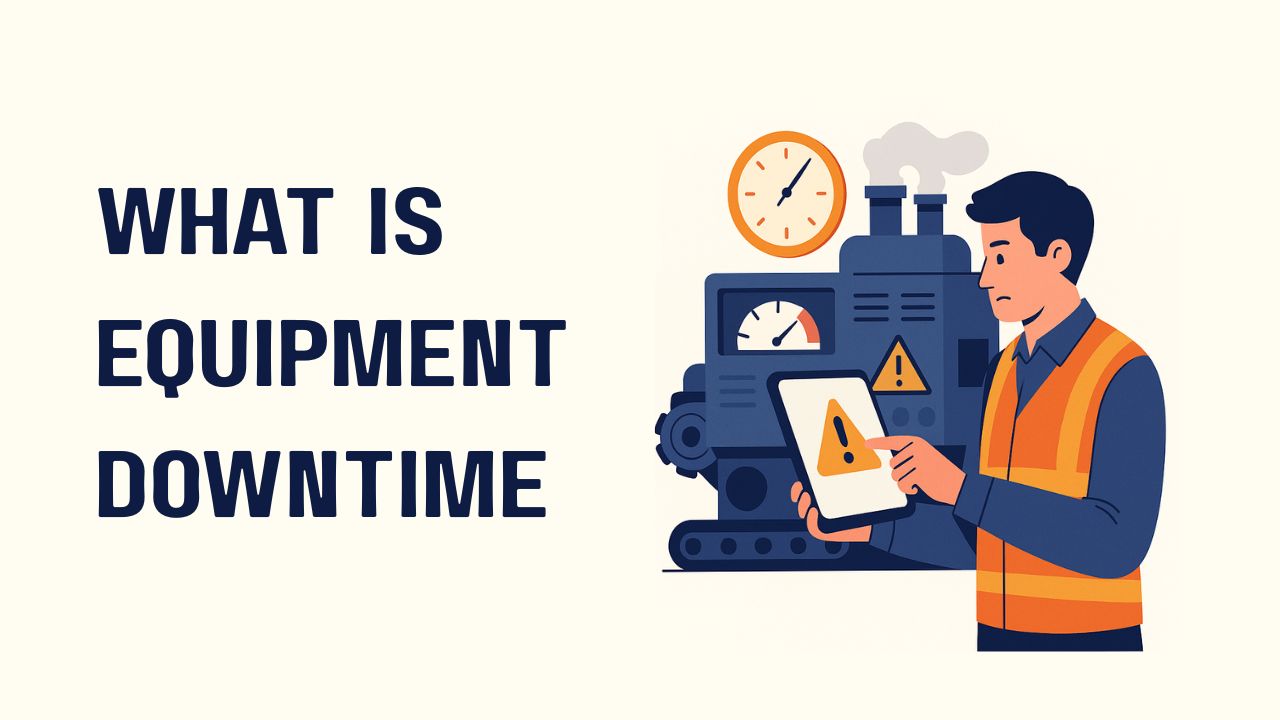
Firstly, assets are more complex than they used to be. A single failing component can cause a lot of problems, especially for organizations that do not have a lot of margin for error. Many organizations are running on a very lean operation, and cannot afford for things to fail. Finally, the cost of unplanned downtime has increased dramatically over the last 10 years. A single piece of failing equipment can cause a lot of problems including: missed deadlines, safety incidents, and a loss of revenue that is difficult to make back.
However, many organizations have not developed a formal structure around their maintenance activities and as a result they are conducting their maintenance in a reactive maintenance mode and as a result they are experiencing a multitude of costly hidden problems. These problems are not easily visible to upper level management; however, they are having a significant negative impact on an organization.
For example, emergency repairs that are performed at an inflated premium; extended periods of time waiting for required parts to arrive; extended periods of time required to complete repairs when performed on an emergency basis; and possibly the worst, the full utilization of an organizations maintenance staff on a continuous basis of Fire Fighting (reactive maintenance) as opposed to Fire Prevention (proactive / preventive maintenance).
An effective asset maintenance management software program is designed to enable an organization’s maintenance staff to plan and execute their maintenance activities in the most cost effective and efficient manner. In addition to assisting in the planning and execution of maintenance activities an effective asset maintenance management software system also enables an organization to track and measure key performance indicators (KPIs). In reviewing an organizations maintenance activities from the use of an asset maintenance management software system it is possible to establish whether or not an organization’s maintenance activities are being conducted in the most cost effective and efficient manner to meet the objectives of the organization.
The Benefits of Enterprise Asset Management.
First, as the name Enterprise Asset Management (EAM) suggests, the management of assets becomes more efficient. Up time of the assets increases and fails occur less frequently but are more predictable. They can be planned for and scheduled for maintenance before they fail and cause problems. This type of maintenance is known as preventive maintenance and it is generally the fastest return on investment for a company using EAM for the management of assets.
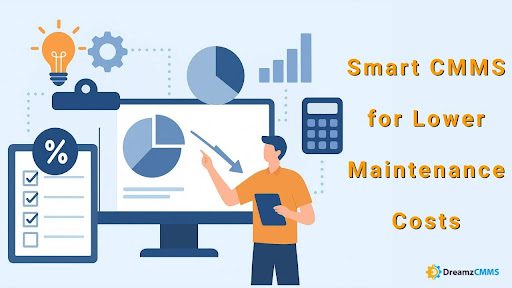
In addition to increased up time of the assets, the cost of maintenance also decreases as maintenance that was previously done on an emergency basis is now done as part of the normal scheduled maintenance of the assets. Many industries have specific rules and regulations with respect to the maintenance of certain assets. Some companies require a log of maintenance completed on assets for audit purposes or for purposes of insurance. A EAM system is able to complete and store this information automatically. This information is then available for future reference.
Some information or institutional knowledge is price-less and even though it is locked away in the heads of the most senior and experienced employees of an organization, that information is tied to specific assets. Therefore, when those most senior and experienced employees retire, that information is lost to the organization and can no longer be used to improve the organization’s ability to manage and maintain its assets.
EAM systems, however, contain such information regarding a variety of different types of equipment that are used by an organization. For example, experienced technicians would have knowledge about what to expect from a variety of different pieces of equipment. They would know the sorts of things that make each of the different pieces of equipment used by an organization prone to failure. They would have information regarding the sorts of parts that are used for the different pieces of equipment. They would also have knowledge about the past performance of the different parts used for the different pieces of equipment. Read more in here: Benefits of Asset Management Strategy
Enterprise Asset Management Components
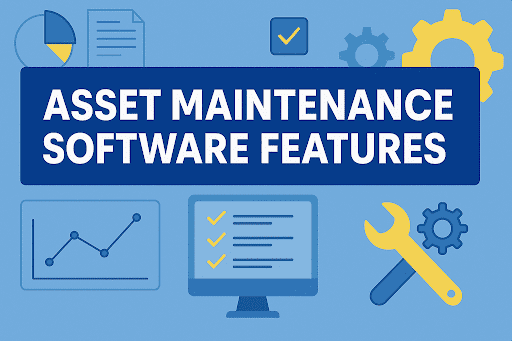
EAM is described by many organizations by reference to the major functions provided by software, including: An asset registry or asset database or asset management module; Maintenance scheduling or work scheduling; Work order management or maintenance work order management; Inventory or parts management; Reporting or measurement or analysis.
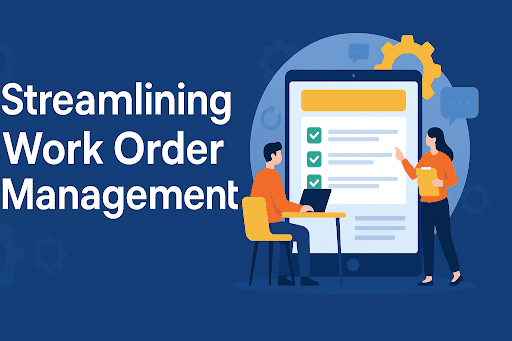
Another feature of the EAM software is the Work Order Management (WOM) function. This feature can be used to create, track and close Work Orders. The Work Orders can be used for maintenance activities to keep assets in good working order, or for repair of broken or damaged assets. The WOM feature must be integrated with the Inventory and Parts Management feature, in order to have a good plan in place. The work can not be completed if the required parts are not available. The reporting and analytics function in the EAM software can also provide value to the end users. They can use this feature to gain insight in maintenance costs, asset information and more. Information, which can be used for example to identify the most expensive assets, or the assets that are nearing the end of their life.
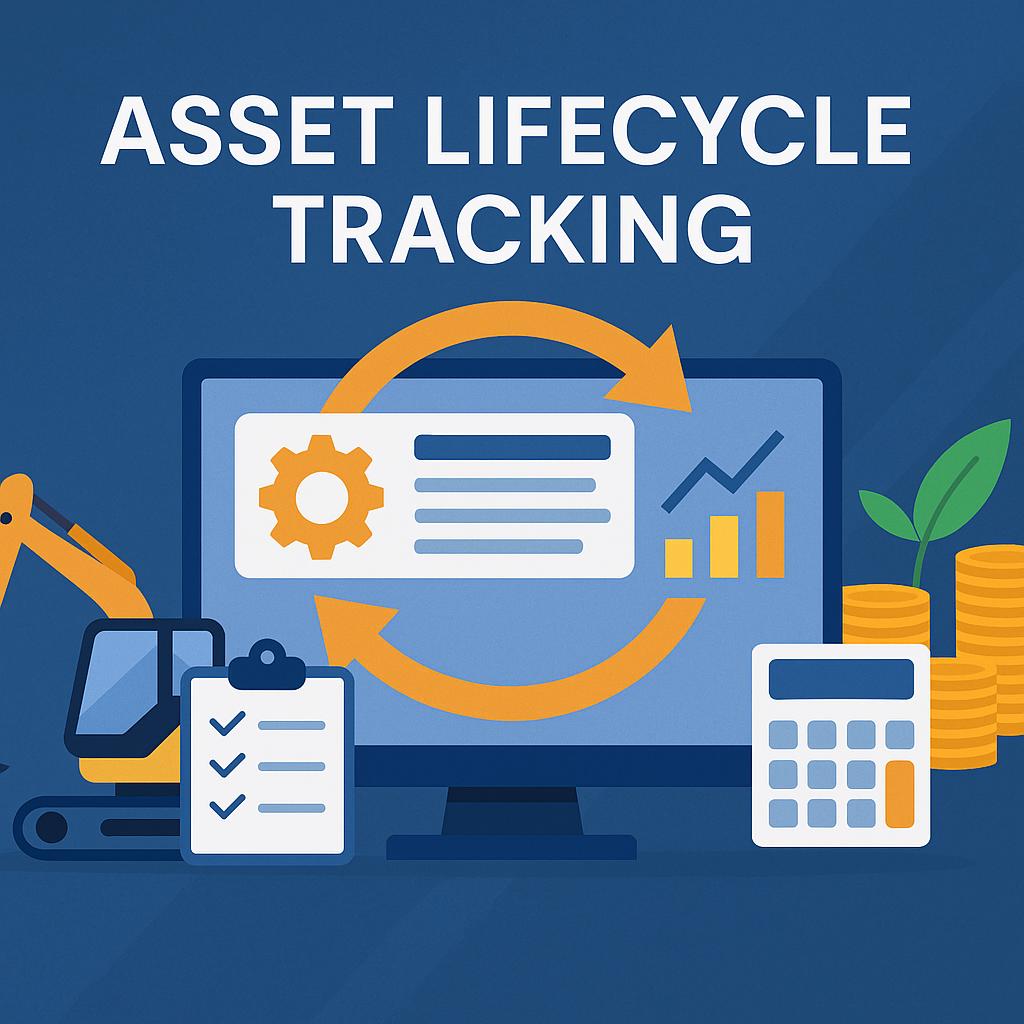
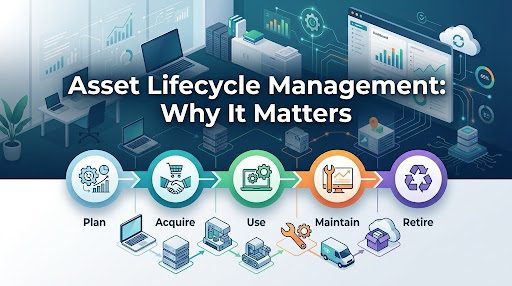
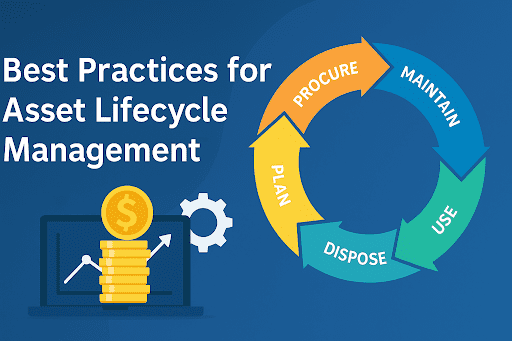
Modules like work order management and inventory management are often used in conjunction with other systems like asset lifecycle management software. This type of software manages all of an organization’s assets throughout their entire lifecycle from the planning and acquisition of new assets through to the installation, operation and maintenance of assets in service and on to the eventual disposal or decommissioning of assets. Read more in here : Asset Lifecycle Management Best Practices
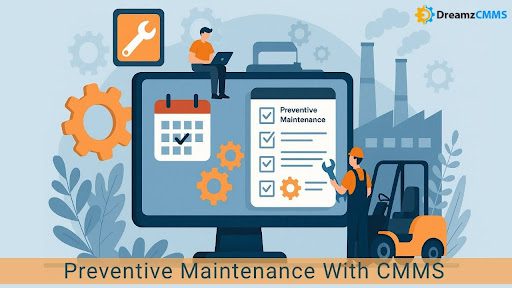
Preventive Maintenance EAM
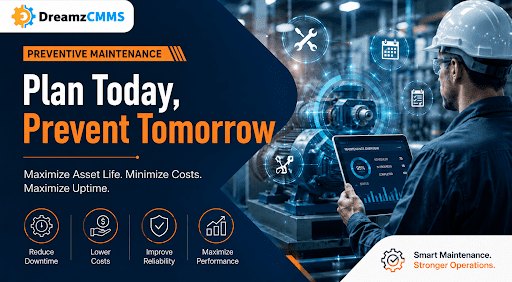
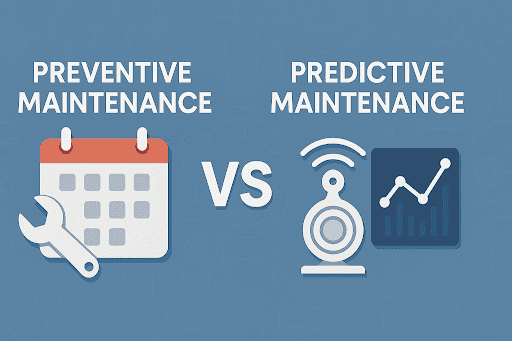
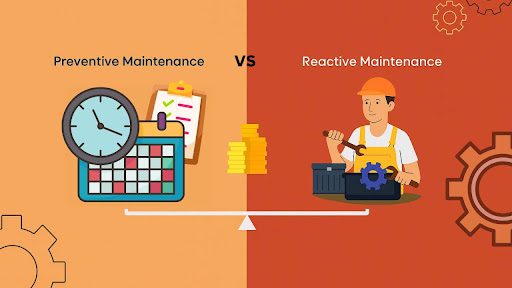
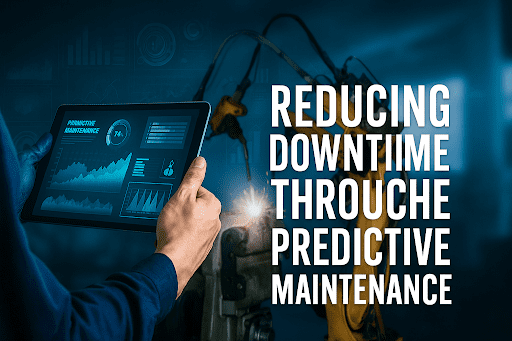
One of the fastest paying practices is that of switching from a policy of reactive maintenance to one of preventive maintenance. By utilizing an EAM software package to schedule and to track the preventative maintenance required for the various pieces of equipment within an organization, a company can reduce significantly the number of failures of its assets, the majority of which will occur without warning and at the worst possible time. This in turn will result in a reduction in the number of emergency repairs required, as well as the cost of the repairs. A good example of this would be a pump. A correctly maintained pump is rare and usually fails without warning. However, with a little planning, the shutdown of the process to investigate a problem with the pump can be minimized.
The greatest value of moving from reactive maintenance to proactive or predictive maintenance is the use of a preventive maintenance software package. Preventive maintenance allows organizations to better control their maintenance activities. They can schedule work in advance and work efficiently to repair equipment before an unexpected failure occurs. The maintenance history of assets is a valuable piece of information when implementing an EAM (Enterprise Asset Management) system.
EAM Cost Savings ROI
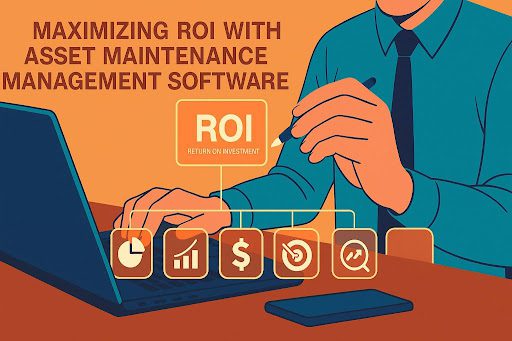
For the vast majority of industries that have a large amount of Assets (plant, equipment, etc) the best Return on Investment (ROI) from software that supports Enterprise Asset Management (EAM) will be found in the areas of Emergency Repair spend, extending the life of Assets thereby delaying Capital Expenditure, reducing unplanned downtime (a huge hidden cost in most organizations) and increased efficiency from Maintenance Technicians who are conducting scheduled (Preventive) Maintenance thereby completing more work with the same number of Maintenance Technicians.
The cost savings to EAM of increased labor efficiency is another metric that organizations use. By scheduling maintenance activities prior to equipment failure, your technicians are able to work more efficiently. By doing repairs during normal working hours, your technicians are able to complete more work with less time and resources when they are most productive.
EAM Implementation Guide
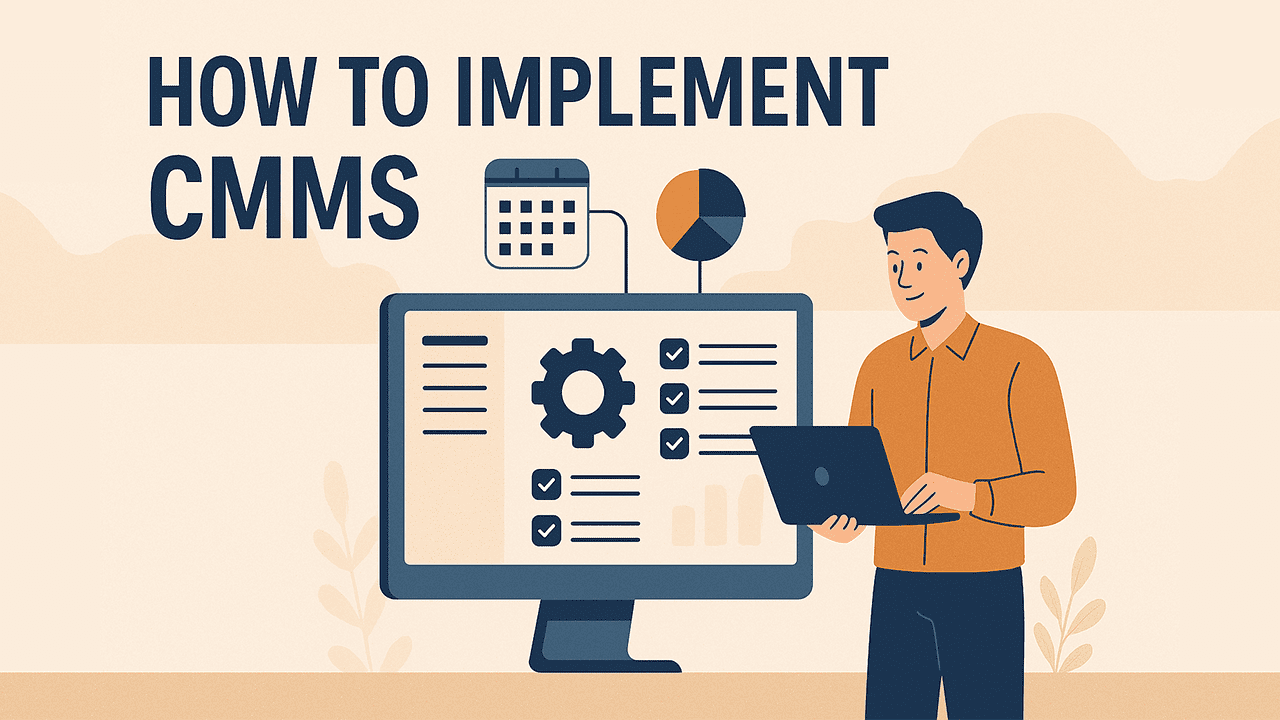
Just like there are many different ways to eat an elephant, there are many different ways to implement an EAM system. However, it is best to follow a structured approach in order to reach your objectives. An Asset Database in good order is a great starting point. Then start with the most important and/or the most expensive Assets in your organization. Within a short period of time the EAM system will be able to show its added value. The EAM Implementation Guide describes all the steps in an structured and practical way to implement an EAM system.
Asset history that has been accumulated by the asset throughout its lifecycle is very important. Much of this information can come from spreadsheets, from prior legacy systems that the organization may have used, or even from paper-based log books. If a large portion of this information is inaccurate, then the insights that are gathered from the EAM software will not add value to the organization.
Thus, this data must be migrated to the new system, and a lot of time and effort must be put into making sure that the data is accurate. Additionally, EAM software must be easy to use for end users. They must not be able to work around the system. On-site training, as well as videos, screenshots, and how-to guides are recommended. It is also recommended to build in a feedback loop several months after the EAM implementation to identify changes that are needed to associated workflows and business processes.
Enterprise Asset Management Best Practices
There are many best practices when it comes to implementing an EAM solution that enable organizations to reach desired returns. Many of the best practices have been developed by organizations that have been successfully using EAM solutions. One of the main best practices to implement when it comes to EAMs is to make sure that the asset data within the model is accurate and up to date. Filling an EAM with inaccurate or duplicate records is counterproductive and will very quickly lose the trust of the user. It is therefore very important to make sure that any naming conventions and hierarchies that are used for assets are the same across all sites. For organizations with sites all over the world, this is particularly important as sites could easily tag all of the assets in different ways, which would render reports almost useless. Start with the critical assets. The model should prove to work well with the scheduled work on the critical assets, and then you can continue to add the remainder of the assets.
Instead of entering all assets into the system at the very beginning and then letting them collect dust, start with the critical / most expensive ones and prove the value of the EAM system for your organization. Then add more and more until all assets are included in the EAM system.
Enterprise Asset Management KPIs
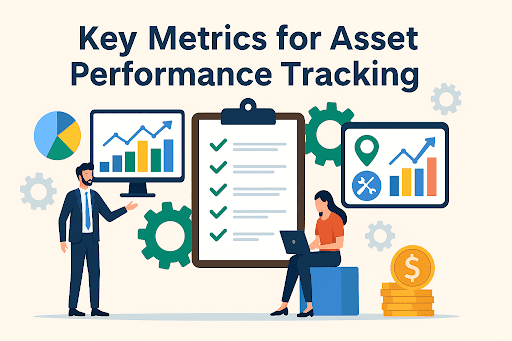
There are a number of ways to measure your EAM and check if it is working. A number of widely used KPI’s (Key Performance Indicators) are MTBF (Mean Time Between Failures), MTTR (Mean Time To Repair), PM% (Planned Maintenance Percentage), the percentage of asset downtime and the maintenance cost per asset. As these KPI’s increase it can be said that your EAM is working better.
IoT in Enterprise Asset Management
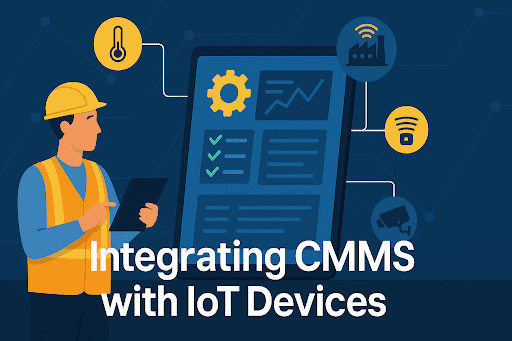
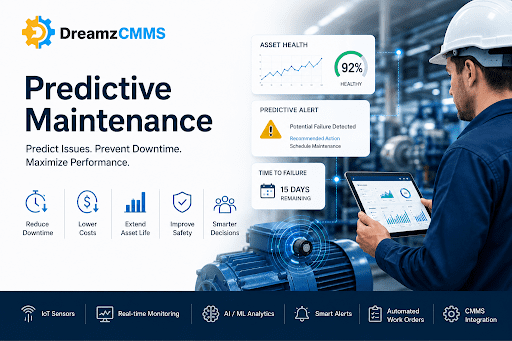
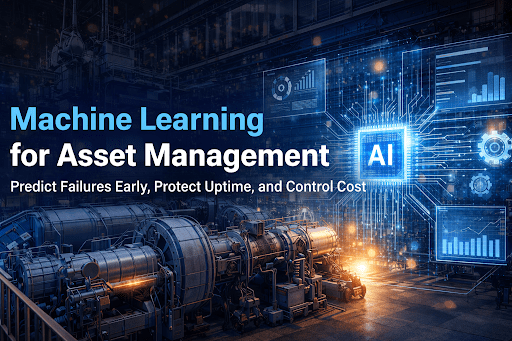
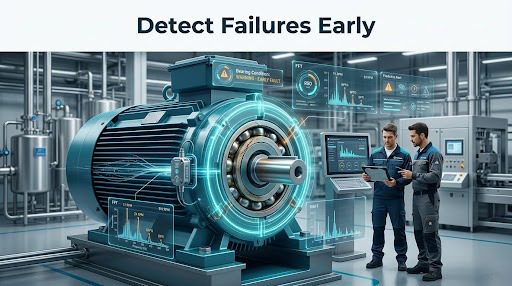
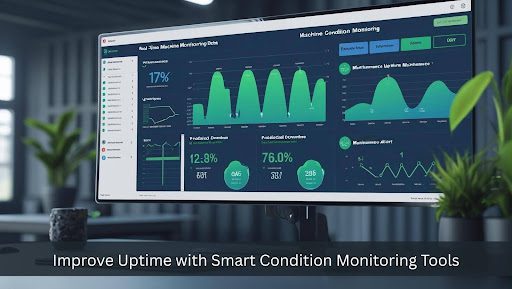
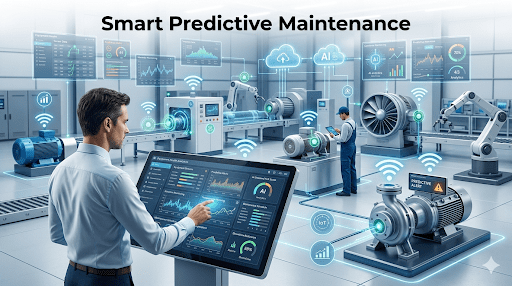
Another area where there is considerable development and growth in the use of EAM software is in relation to monitoring of critical plant equipment using IoT (Internet of Things) sensors. There are now a range of different sensors available that can be attached to equipment to measure a variety of different parameters including Temperature, Vibration and Usage. The data from these sensors can then be reported in real time and used by EAM software to schedule maintenance on a condition basis or even a predictive basis. This type of monitoring is commonly referred to as CM (Condition Monitoring) and is part of a wider digital transformation of plant and assets in use across industries.
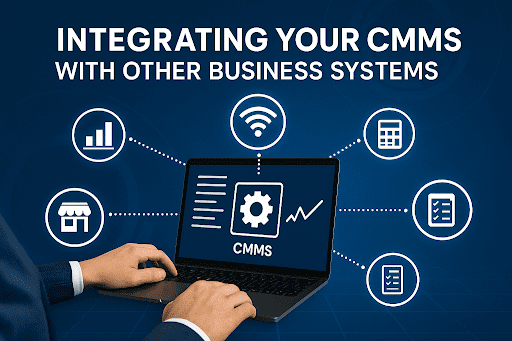
The data generated by EAMs is increasingly used by all across an organization not only by the maintenance department but by the rest of the business in general. This data is also merged with the data from finance, procurement and operational planning, to generate decision making assets for the entire company.
Digital Transformation EAM
In the context of Digital Transformation, EAM is no longer siloed in the realm of the IT or facilities department. The data from EAM is used by finance, procurement, and operations planning to make better company-wide decisions. The asset performance data becomes a company-wide asset for decision-making.
Getting Started
First and foremost, Enterprise Asset Management (EAM) is more than just software, it is a discipline or practice that can be implemented by organizations to reduce the amount of unplanned maintenance required, save on the costs of maintenance in general and to extend the life of the critical physical assets which an organization uses to create value. Implementing effective EAM practices can bring considerable value to an organization, however there are practices and ways of thinking that need to be adopted in order to gain value from the data that an EAM system provides. The first practice that an organization will need to implement is the tracking and categorization of all physical assets that the organization uses in order to manage its business. Next, the organization will need to have a practice for managing the complete lifecycle of each physical asset in order to extend the life of the critical assets as long as possible.
Our Free Demo is a great place to start whether you are just starting out with EAM or are using a system that no longer meets your requirements. We can go through how DreamzCMMS can support your EAM activities and show you how you can use the system to track and manage your critical assets, manage and schedule work (including preventative maintenance) and report on the data to help with your decision making.






Subscribe to Our Newsletter
 100% SECURE
 We Respect Your Privacy
 Ready for More?
Talk to one of our CMMS experts and see how DreamzCMMS can simplify your maintenance operations.
Book a free consultation