 BACK TO Blog
Asset Rental Management
Asset Maintenance
What Is Preventive Maintenance & Why Does It Matter?
- May 07, 2026
- DreamzCMMS Team
- 13 minutes read
- May 07, 2026
- DreamzCMMS Team
- 13 minutes read
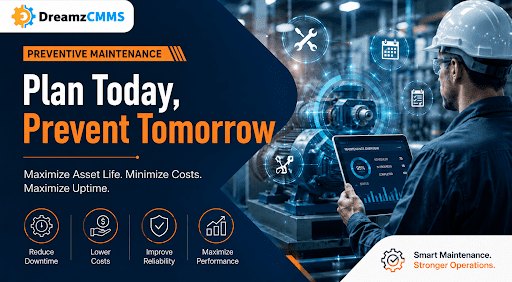
Preventive Maintenance is a major component of Asset Management. Whether it is ambulances, sophisticated medical equipment or a large manufacturing plant, the end result for all of them is to get the maximum life and efficiency out of the assets, reduce future repair costs and maximise availability.
While there are several disadvantages to reactive maintenance, many organizations continue to follow a “fix it when it breaks” approach unaware of the long-term disadvantages of downtime and reduced efficiency.
This presentation provides an in-depth look at preventive maintenance for professionals developing a PM program. Learn PM explained from the technician’s and manager’s perspective and gain an appreciation for the role that preventive maintenance plays in achieving peak plant performance.
What Is Preventive Maintenance?
Preventive maintenance definition: preventive maintenance is the public policy and practice of regularly performing or coordinating the maintenance of physical assets and parts (facilities, equipment, etc.) to get the maximum life from those assets. By identifying and fixing problems before they occur, you can avoid unexpected costly repairs.
The opposite of reactive maintenance, which responds to a failed asset on an emergency basis, is represented by preventive maintenance, which is performed according to a calendar or clock.
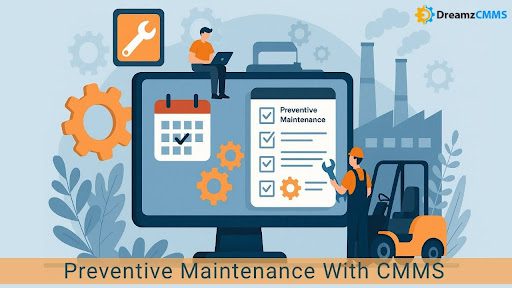
The PM process is usually perceived as a very lengthy list of calendar or time based tasks, but PM can be so much more. Implementing a PM program can save an organization money in the long run by preventing more costly failures and reducing downtime.
At its core, preventive maintenance includes:
- Time-based maintenance — Servicing an asset based on elapsed time (e.g. every 30 days, every 6 months, every 500 hours of operation).
- Usage-based maintenance — Although the asset may be in excellent condition, it may be serviced unnecessarily before its useful life is reached.
- Condition-based maintenance — Our maintenance service is provided using a 'usage based' approach. Maintenance is triggered when the asset reaches a specific level of usage - whether this is measured in miles, cycles or runtime hours. Maintain only when it's necessary - based on data from sensor readings or inspection results as assets approach failure with the our Condition Based Maintenance guide.
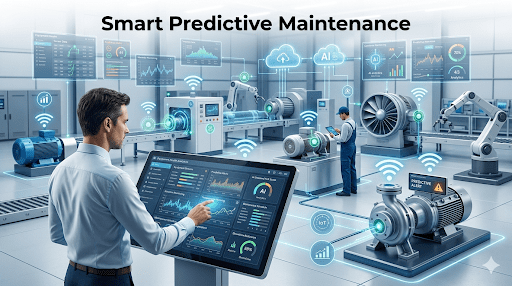
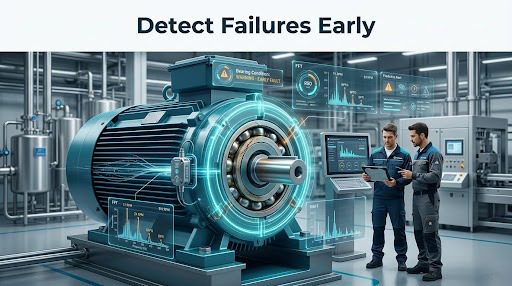
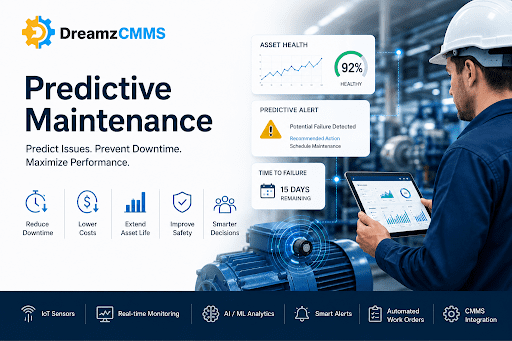
- Predictive maintenance — In this blog post we will cover Predictive Maintenance, what it is and how advanced analytics and IoT can be used to predict when an asset is likely to fail. Read our Predictive Maintenance Guide here.
These are all forms of preventative maintenance. They are the direct opposite of waiting for parts to fail until it is to late.
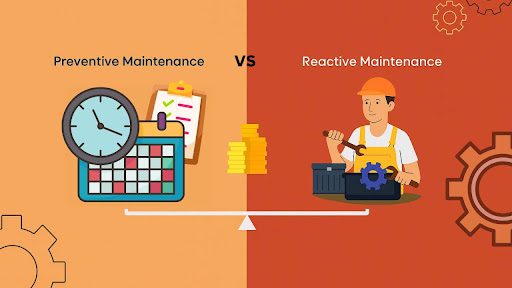
Preventive vs Reactive Maintenance: What's the Real Difference?
Understanding preventive versus reactive maintenance is key to realizing how an proactive maintenance strategy is the clear winner in almost all scenarios.
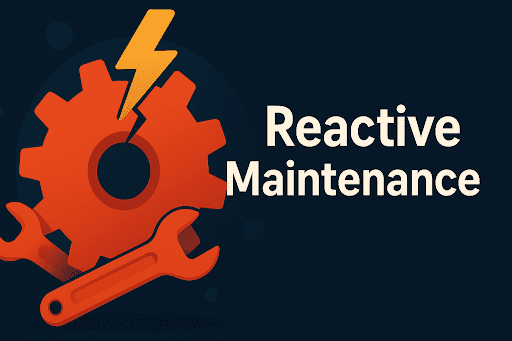
Reactive maintenance, or run-to-failure, breakdown maintenance is when no maintenance is done to an asset until it fails. It seems cheap in the short term because predictive maintenance costs are being avoided until they become obvious costs. But reactive maintenance has very serious consequences to production, reliability, throughput, efficiency, quality and safety.
The total cost of a failed critical asset can be many times its annual maintenance cost. The true cost of failure includes Emergency Repair labour at higher than normal rates, Unplanned Downtime, Loss of Production, Risk of Damage to other related Equipment or Systems, Safety and Regulatory Risks, and Expressed Parts Sourcing Costs.
Imagine no more chaotic equipment breakdowns and their disastrous consequences. By shifting to a proactive maintenance approach, you can create a planned alternative to unpaid for downtime. Our decades of experience has shown that PMI customers reduce equipment breakdowns by up to 70% while saving 25–30% on their maintenance budget. Equipment life is also dramatically extended.
In our minds, we frame the choice in terms of the amount of money involved. But in reality, we are choosing between spending that amount as the need for it becomes acute, or spending it in a more thoughtful and timely way.
Why Preventive Maintenance Matters
A common misconception with regards to preventive maintenance importance is that its main goal is to keep things working. While keeping things working is one of the many goals of preventive maintenance, it has importance to many other areas of an organisation. Its importance extends to the livelihood of many individuals.
1. Dramatically Reduces Unplanned Downtime
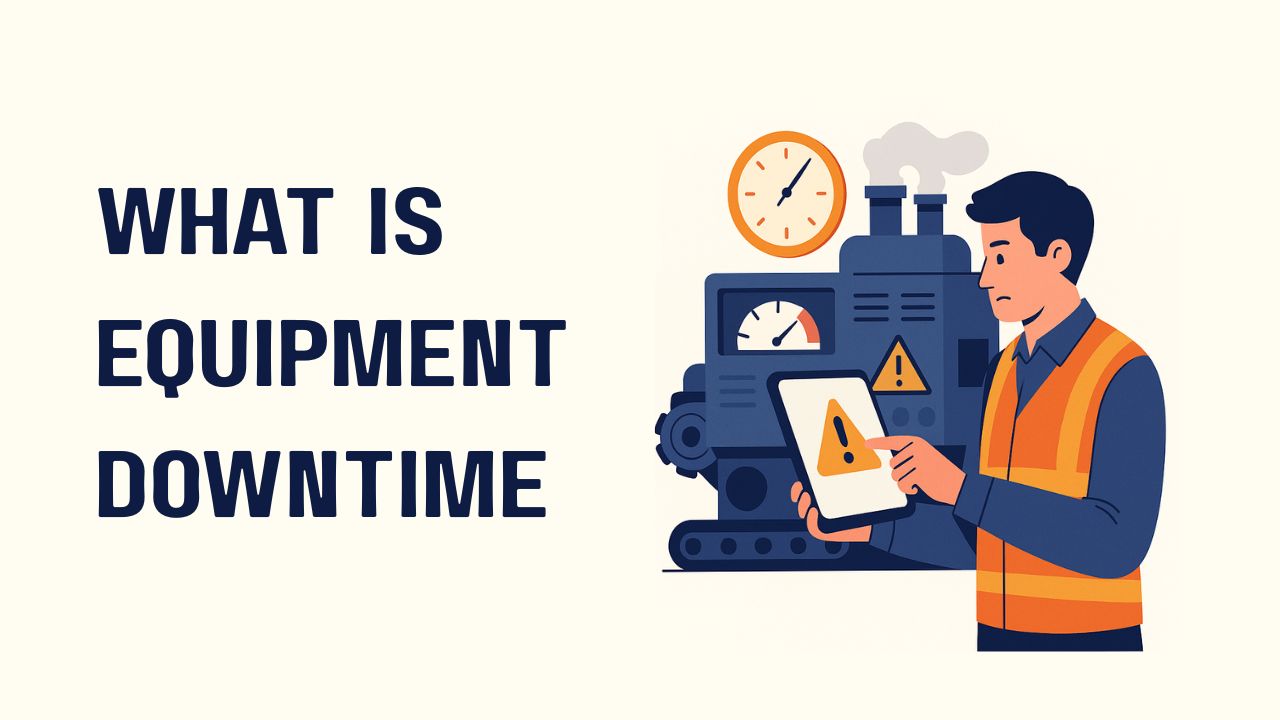
Every minute that a critical asset is down in operation costs money and can have serious effects on production and patient care in various industries. In a manufacturing setting, the cost could be in the thousands of dollars per hour, in a healthcare setting the effects could be on patient outcomes, and in a logistics center the effects could be late shipments with related service charges. Preventive maintenance helps to uncover and repair problems as they occur, keeping equipment in a healthy state of operation.
2. Extends Asset Lifespan
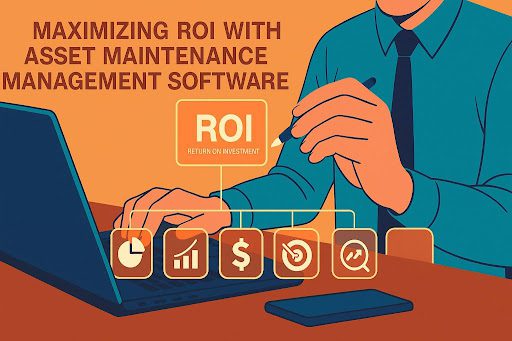
Preventive Maintenance offers many benefits to an organization. In addition to best quality assets lasting longer, even older assets can have their life extended. Most importantly, premature replacement of expensive capital assets can be avoided, and overall return on investment improved. This approach also reduces the need for frequent capital expenditure.
3. Reduces Total Cost of Ownership
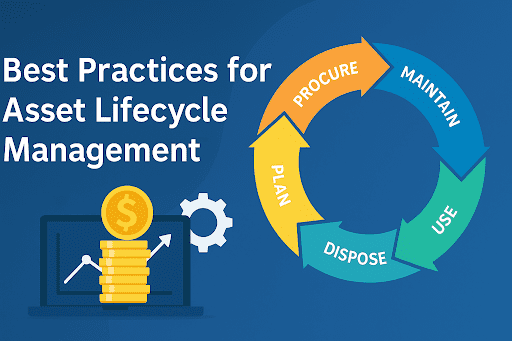
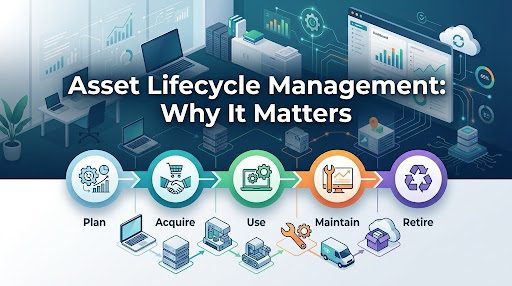
This also relates to Asset Lifecycle Management Best Practices, where the cost of acquiring an asset at time of purchase is only a small fraction of its true life time cost. All PM strategies have an embedded cost - parts, labour, downtime etc. - and also an associated compliance cost. But the net gain to the bottom line of well executed PM strategies is far greater than these costs.
4. Improves Safety and Compliance
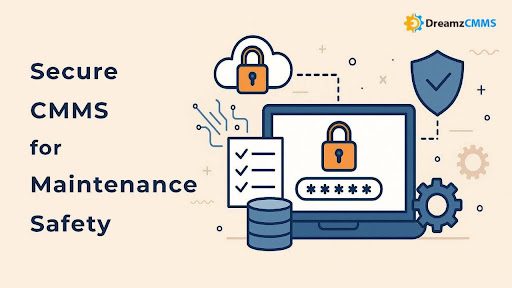
Poorly maintained equipment is dangerous equipment. Whether you are in the health, manufacturing, pharmaceutical or public services sector there are laws and standards that must be complied with. The most effective way to ensure that your equipment is safe and compliant is through regular scheduled maintenance. By carrying out proactive scheduled maintenance you can avoid any potential harm to people and ensure that you are always audit ready not feedably ready. Asset Maintenance Management Software such as AlfaFM or Alfasoft will allow you to store all information related to past and current maintenance activities to enable access to the equipment history information required.
5. Enhances Technician Productivity
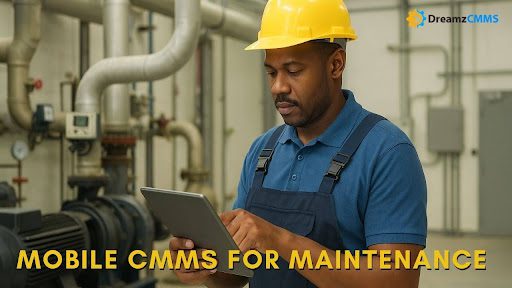
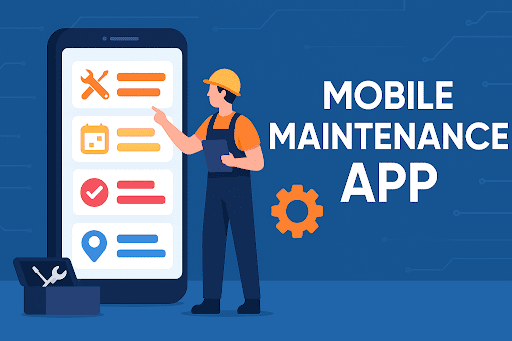
Maintenance teams often find themselves in a stressful “firefighting mode” of operation. By working from a planned schedule of preventive maintenance, organized in a logical order, the stress can be reduced and maintenance teams can work more efficiently to perform their jobs to the best of their ability. Working from a Mobile CMMS allows field technicians to view work orders, complete checklists, view asset histories and other relevant information on a variety of devices. They can access and complete paperwork much more efficiently than when using lost paperwork and manual methods.
6. Supports Better Capital Planning
Knowing the condition and maintenance history of all assets helps to accurately predict their life. This allows for incorporation into long-term financial planning. Knowing the ROI of PM actions helps the Finance Office and Operations teams to make better investment decisions in preventive maintenance actions, a problem encountered by many organizations and industry sectors and addressed in Asset Management Strategies.
Types of Preventive Maintenance
There is no single type of PM that is applicable in all scenarios and having an understanding of the major types of PM is important for selecting the type of PM most appropriate for a given set of assets.
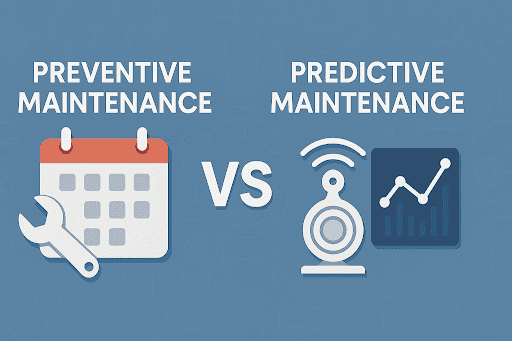
The PM calendar approach is the simplest form of Calendar-based PM. Calendar-based PM schedules are typically developed based on calendar-based intervals such as weeks, days, months and years. This type of scheduling is the simplest and most effective form of Predictive Maintenance for assets with relatively stable and predictable usage profiles such as HVAC, lighting, facilities equipment and other plant resources.
The Meter-based PM (PM= Preventative Maintenance) approach links PM operations to actual usage as reported by the Meter (kms or hours) for each vehicle. As a result, a vehicle may require service after 5,000 km rather than on a calendar basis. This approach ensures heavily used vehicles are serviced more frequently than less used vehicles.
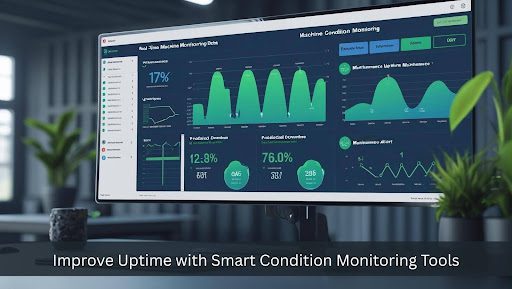
Our Predictive Maintenance offering monitors real-time or periodic data for selected key parameters of your assets, such as temperature, vibration, pressure or oil quality. This means that maintenance can be timed to exactly when it is required, different to Time Based PM methods which undertake maintenance on well running equipment unnecessarily.
While condition monitoring of machinery is very useful, Predictive Maintenance uses machine learning and advanced analytics to actually PREDICT WHEN a failure will occur. It has the highest ROI potential and is recommended for use on the most critical/high value assets where downtime has the greatest cost, and overall ROI is the highest.
Preventive Maintenance Examples Across Industries
Preventive Maintenance Examples can be applied in a variety of settings to improve efficiency and extend the life of equipment.
In addition to providing as needed biomedical repair service, our contract biomedical technicians perform routine scheduled maintenance on medical equipment, such as ventilators, infusion pumps, magnetic resonance imagers, and computer tomography scanners.
Lubrication, alignment and filter maintenance are crucial processes in many sectors to avoid unnecessary downtime due to equipment failure, particularly high-value items like CNC machines, conveyor belts, fork lift trucks and air compressors.
Whilst other factors in the moving landscape of the logistics and fleet management environment can be outside of one’s control when it comes to a roadside breakdown, parts such as oil, brakes and tyres operate on a fixed and predictable schedule. Whether by mileage or by time, they are typically due for service at a predetermined point.
In facilities management, items like air handling units, elevators, fire suppression systems, and electrical panels are periodically serviced in order to protect lives and comply with building codes.
At DreamzCMMS we strive to ensure that all of our rental customers have the very best experience using our equipment. Whether it is a short term rental for a small project or a long term rental for a large production, we service all our equipment between rentals to ensure our customers have the safest and most reliable work equipment possible. The biggest return on investment is realized when this same level of preventative maintenance is performed throughout the life of the equipment to maximize the return on investment of your fleet.
Scenarios can be prepared in a methodical way and tracked, scheduled and recorded using software.
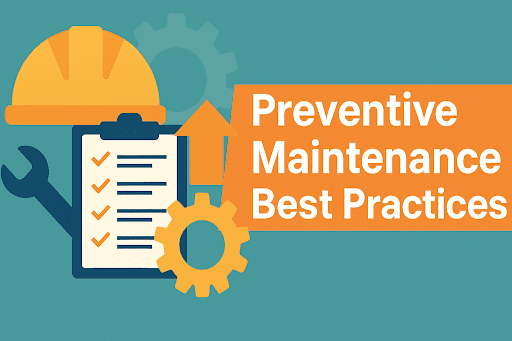
Preventive Maintenance Best Practices
Build an exceptional PM program by following best practices for preventive maintenance.
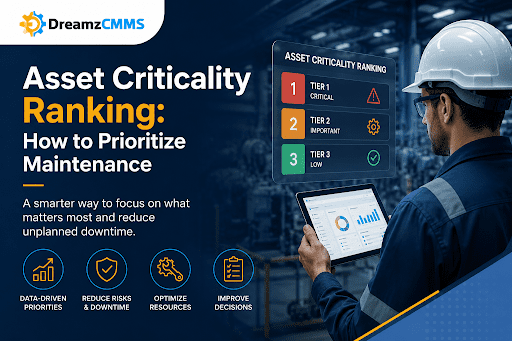
- First, assign criticality to the assets in your asset portfolio. Not all assets are equal; therefore, they don’t all require the same level of investment in Proactive Maintenance. Set prioritization based on the impact an asset failure would have—be it safety, operational reasons or cost—then use that prioritization to determine the correct level of maintenance.
- Link PM with the broader asset lifecycle. Preventive maintenance does not occur in isolation and it is a key component of the full asset lifecycle. Integrating PM with the broader Asset Lifecycle Management Best Practices ensures that your PM strategy is aligned from acquisition to disposal.
- Record and document all aspects of project management. If an action is not recorded, it did not happen. Service history is extremely valuable for diagnosing and fixing repetitive problems, establishing compliance, determining repair or upgrade options, and aids future procurements.
- Training and Empowering Technicians. Your best software and most detailed checklists are only as valuable as the next technician’s ability to understand the reasoning behind the tasks he or she performs on a regular basis. Invest in your technicians’ training and provide them with step-by-step processes to complete quality maintenance work. Recognize and develop an organizational culture that values quality maintenance.
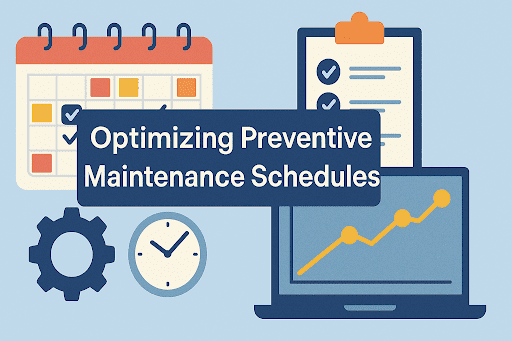
- Schedules and work scopes for PM activities should be reviewed and updated as the operational demands, operating environment, working hours, operating conditions and actual asset usage and operational time changes with time. CMMS schedules are living documents that need to be reviewed at least on an annual basis for long-life assets, such as pumps, valves and steam traps. However, for shorter life assets, such as large rotating equipment - pumps, motors, gearboxes, turbines etc. - schedules need to be reviewed on a quarterly basis based on actual usage and operational hours. Also, valuable information for the PM schedule management can be gained from technicians performing the scheduled work.
- We should avoid over-maintaining our assets. While under-maintenance is a greater evil, there is significant pressure to over-maintain today. This is a far greater evil than the problem it is intended to solve. Underlying data can help you determine just the right service interval for your specific assets; however, you must use the data and not over-rely on the maintenance technician or vendor.
The Role of Software in Preventive Maintenance Success
Maintaining equipment through large scale preventive maintenance can be a formidable task without effective technology support. As equipment fleets increase in scale, managing when and how last maintenance was performed manually is increasingly problematic and creates unnecessary blind spots, causing scheduled maintenance to be inadvertently missed, and recorded maintenance history to be incorrect. Most notably, equipment fails unexpectedly weeks in advance of a scheduled maintenance.
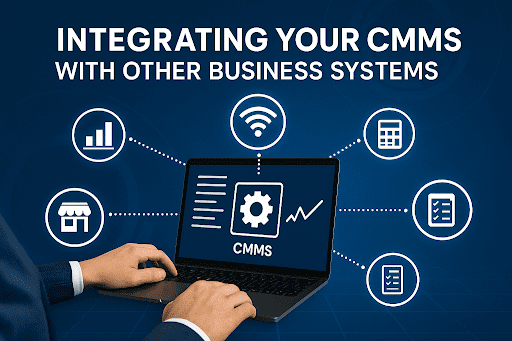
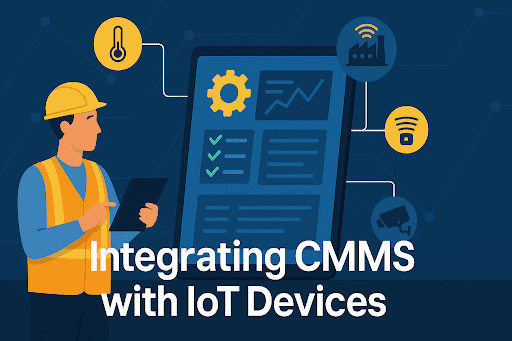
Maintenance management software takes the hassle out of scheduling and coordinating routine maintenance using Preventive Maintenance software capabilities that automatically create and schedule work orders based on parameters such as usage, mileage or time. Store all plant and equipment information in a single database, have field technicians perform and update work orders on mobile computers or smart phones, monitor current equipment performance in real-time with custom, easily-generated performance reports, and easily interface with other software applications, including your ERP system and procurement software.
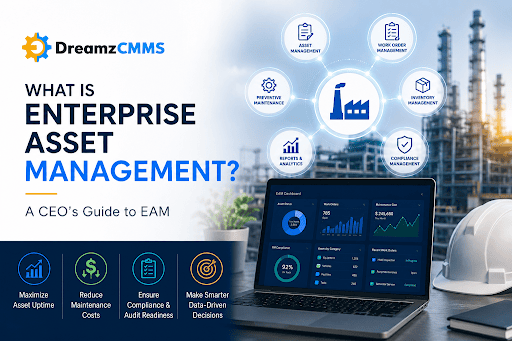
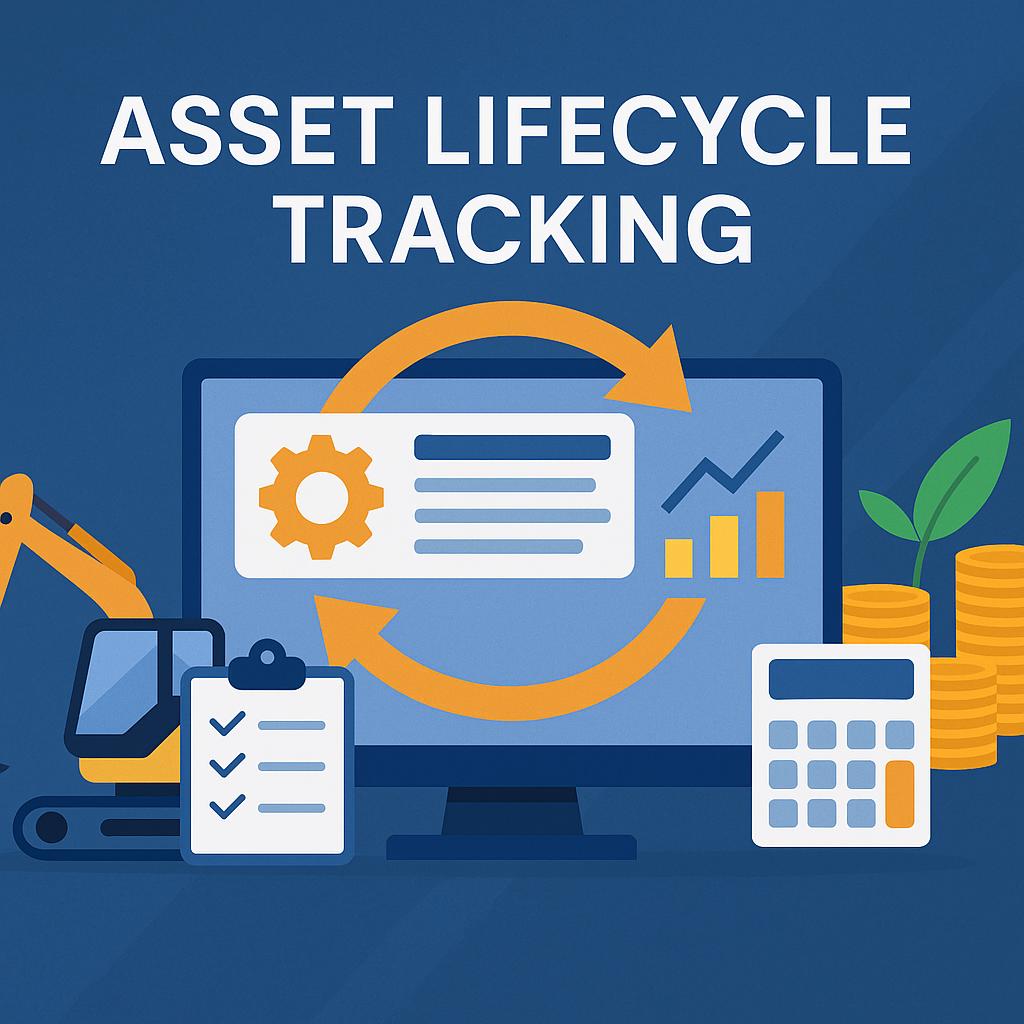
DreamzCMMS has life cycle platform that tracks all of your assets through the lifecycle of assets like Acquisition, Operation & Maintenance, Renovation, Liquidation etc and creates maintenance schedules, tracks service history, keeps record of related costs and analyze data to ensure optimal functioning and regulatory compliance.
Whether you’re just starting out in Project Management or already have years of experience under your belt, the choice of PM software can make all the difference between having a mature process and a bit of chaos going on.
Conclusion
Preventive maintenance is different from reactive maintenance. By carrying out scheduled maintenance on your equipment before it fails, you can actually save the operational life of your assets. Experienced maintenance professionals can sing the praises of preventive maintenance from first-hand experience. Not only does the equipment run longer-life (up to 15 years from 8 years life), but your maintenance team can look forward to a planned and productive week of work, rather than being in a constant state of crisis. The reality is that organisations are no longer slaves to asset costs, instead, organisations master their asset costs.
Preventive maintenance offers many benefits including reduced downtime and cost, increased asset life, improved safety and compliance, and a strong return on investment. Achieving these benefits however requires a structured program, a culture that holds people accountable, and the right set of tools to support the program.
See first hand how DreamzCMMS can help you implement and maximise your preventive maintenance program. Book your Free Demo and start to move towards a more proactive and data driven approach to asset maintenance.





Subscribe to Our Newsletter
 100% SECURE
 We Respect Your Privacy
 Ready for More?
Talk to one of our CMMS experts and see how DreamzCMMS can simplify your maintenance operations.
Book a free consultation