 BACK TO Blog
Asset Rental Management
Facility
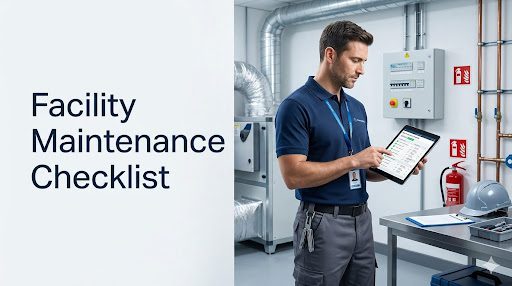
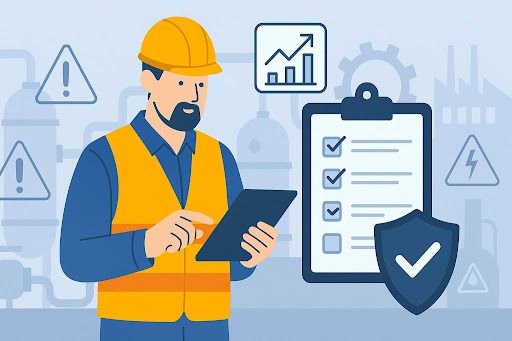
Facility Maintenance Checklist: How to Create One That Works
- April 30, 2026
- DreamzCMMS Team
- 13 minutes read
- April 30, 2026
- DreamzCMMS Team
- 13 minutes read
One of the simplest tools a facilities manager has at their disposal is a facilities maintenance checklist. What would be a confusing, costly, dangerous and forgettable mess of reactive maintenance tasks, left to chance and stalled by broken processes, is turned into a routine, disciplined and cost-effective process for keeping assets in service longer, and your teams working more efficiently and effectively.
Learn how to create a fully comprehensive and accurate facility maintenance checklist for your building or portfolio. Then learn how maintenance management software takes your static checklist and turns it into a full maintenance engine.
Using preventive facility maintenance checklists is a vital component to a well-organized and effective facilities maintenance program. Utilizing a well thought out and well managed checklist will help facilities and maintenance managers to prevent unexpected equipment failures, to control maintenance labor costs, and to maintain the maximum life cycle of facility equipment and other physical assets. This can only be accomplished on a consistent basis by properly documenting and adhering to each and every maintenance action on the list.
What Is a Facility Maintenance Checklist?
A facility maintenance checklist is a simple paper or digital format facility maintenance log or task list. It is used to organise and manage scheduled routine maintenance activities, whether carried out in-house or by a facilities management contractor. The checklist should detail all of the maintenance tasks required for a facility, including HVAC, plumbing, electrical, fire and lifts as well as equipment and plant maintenance such as machinery inspections and filter changes. Meter readings and any relevant compliance issues should also be included.
A checklist is a guide to ensure that all steps are completely completed. It sets out the things to be done, the time frame within which the tasks need to be done and identifies the people who need to perform each function. Checklists can be prepared for daily, weekly, monthly, quarterly or yearly activities based on the type of equipment and the type of maintenance required.
A well thought out checklist can help to support safety, improve the performance of equipment, reduce unscheduled breakdowns and guarantee that all necessary records are up to date to support any future audits etc. Using a CMMS to manage your checklist enables you to schedule the work and record its completion.
Why Your Facility Needs One — Right Now
The Facility Manager has enough to do already. Break work orders into manageable tasks such as filters and HVAC maintenance to make routine and preventive maintenance easier. Annual maintenance of lighting, plumbing, elevators, generators and fire systems are also important to prevent inefficiency, failure and repair costs.
Maintenance is a fundamental component for all facilities, including hospitals, pharmaceutical plants, manufacturing, and commercial buildings. Maintenance isn't just critical to the operation and function of facilities, it is also a significant compliance issue. Regular and seasonal maintenance operations must be performed in accordance with specifications, schedules, and other regulations. The records documenting maintenance and other operations must be stored and readily available for auditing.
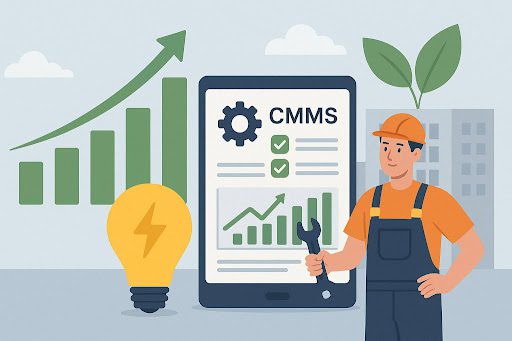
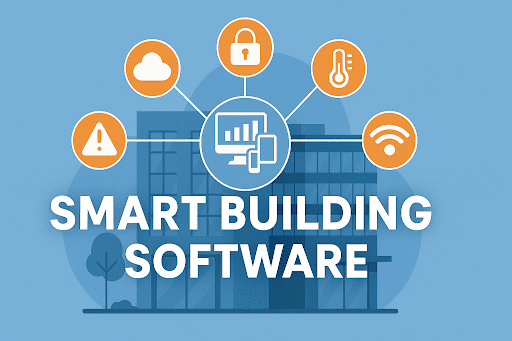
To understand how smart building technologies amplify the value of structured checklists, see our guide on Smart Building Software for Facility Management.
How to Create a Facility Maintenance Checklist: A Step-by-Step Guide
I want to stress to you that there is no benefit in using generic checklists and templates that have been used elsewhere and can be copied and pasted from the Internet. Such items take a minimal amount of effort to create and can be sent out quickly, but are of little value when it comes to effective facility maintenance checklists. It takes methodology, consideration of certain factors, and reality as to what can be achieved by your staff. Do not be tempted to take the easy route. Start from scratch and develop your own methodology.
Step 1 — Conduct a Full Asset and Space Inventory
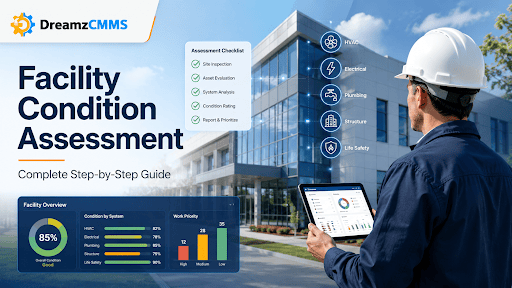
Use this Inspection checklist & tracker to record Facility name, Inspection categories, Score, Rating, % score and Ideas for improvement.
Online checklists and facility maintenance templates can serve as a starting point to generate ideas for items that need to be included in a custom, facility specific, facility maintenance check list. The check list should be designed to support the maintenance of specific assets, systems, processes and workflows found within your facilities, rather than following a canned template.
Start by making a list of all physical assets (eg: items of equipment, open areas within the facility) and then perform a walk through of the facility recording all the electrical systems (eg: electrical panels, circuit breakers, service disconnects), plumbing systems (eg: sprinkler heads, fire suppression, medical gas, plumbing risers), fire safety systems (eg: fire alarms, fire suppression systems, fire extinguishers, fire hoses, fire resistance rated assemblies), generators, air handling units, chillers, pumps, valves, etc and their associated controls. This list will be the basis for developing a good maintenance check list to prevent damage.
Step 2 — Categorise Tasks by Frequency
For ease of reference, tasks should be organised into frequency bands. A practical building maintenance checklist guide organises tasks into the following bands: Daily, Weekly, Monthly, Quarterly, Six Monthly, Annually, Every 2 Years, Every 3 Years and On Event.
- Daily - Safety walkthroughs, Visual Inspections, Cleaning, Restock of consumables and checks and calibrations of entry and exit systems as required.
- Onboard: weekly - testing of special equipment, lubricating, waste management overhaul, tests of auxiliary lighting.
- We strive to keep you informed on any monthly facility maintenance that is performed. This month we replaced air filters in all locations, checked belt tension on several critical pieces of equipment, inspected all fire extinguishers, and tested all emergency lighting weekly.
- Quarterly - in depth mechanical inspections, Water treatment and Cooling tower servicing, External Building roof inspections.
- Annual Audits of housing management practices and how these are affecting residents. Specialist contractor advice/securing completion. Ensuring legal compliance and assessing impact on residents.
Step 3 — Assign Ownership and Required Skills
It is good for all of us to have the name of the person responsible for seeing the task through to completion (e.g. maintenance technician, functional group, contractor) assigned to every maintenance task. Many tasks just get lost in the shuffle and never get done if left unowned. This is of particular importance for maintenance work requiring specialist certification (e.g. electrical, gas or lift maintenance).
Efficient Personnel and Labor Tracking (PLT) in your maintenance management software is essential to alert your technicians to upcoming work and optimize the use of all labor resources in your organization.
Step 4 — Define Completion Standards
A checklist item should not be simply 'inspect HVAC unit'. It should tell you what you should look at, what it should look like when its ok, what to write down and what to do if something is wrong. A vague checklist item results in vague outcomes. What makes a facility maintenance checklist performative rather than effective are detailed task descriptions tied to concrete results.
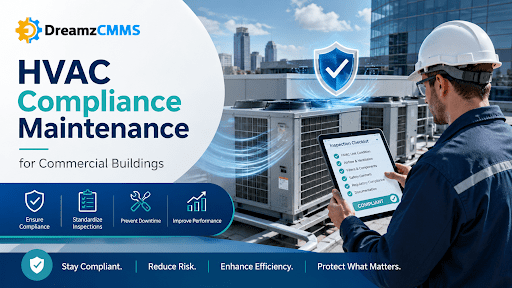
Your HVAC facility maintenance checklist should contain coil condition, refrigerant levels, airflow readings, drain pan inspection, belt tension and thermostat calibration -- not just 'checked HVAC'.
Step 5 — Build in Compliance and Regulatory Requirements
The Facility Manager’s plate is already full enough. Divide work orders into manageable tasks such as filters and HVAC maintenance to facilitate routine and preventive maintenance. Annual maintenance on lighting, plumbing, elevator, generator and fire systems is also critical to prevent inefficiency, failure and repair costs.
Maintenance is a basic component to any facility such as hospitals, pharmaceutical plants, manufacturing, and commercial buildings. Maintenance is not only essential for the operation and function of facilities, but it is also a major compliance issue. Maintenance operations shall be carried out regularly and seasonally in accordance with specifications, schedules and other regulations. Records of maintenance and other operations shall be maintained and available for audit.
Cold Storage Management System never omits compliance tasks from the operational checklist flow.
For a more detailed discussion on maintaining regulatory standards, please see our Compliance Management in Facilities. resource.
The Commercial Building Maintenance Checklist: Key Areas to Cover
Provided a building is required for occupation in the long term, it should be safe, comfortable and without unforeseen problems. A good quality commercial building maintenance programme should ensure all aspects of the building and the curtilage (grounds) are inspected and properly maintained on an ongoing basis. This would include: HVAC systems; electrical switchgear and distribution equipment; plumbing fixtures and drainage services; fire detection and fire suppression systems; lifts; security alarm and CCTV services; roof membranes; car park areas and surfacing; exterior terraces, balconies and walkways.
We recommend performing routine checks on all HVAC systems, fans, air handling units, air conditioners, chilled water systems and other critical building systems to verify proper performance and energy efficiency. Additionally, electrical rooms and systems (emergency lighting and UPS systems), wiring and control panels should be checked and documented on a regular basis.
The maintenance of the facilities also includes the external spaces of the building (parking, green areas, terraces, pergolas, awnings, fences, bins, etc.) as well as the roof and the façde (including gutters and downspouts). Regular checks are performed on equipment (drainage systems, elevators, escalators, etc.) and on automated systems (CCTV, access control systems, etc.).
Facility Maintenance Checklist Best Practices
The difference between an idle check list and a check list that makes a difference is how the list of tasks and functions are managed and used. The following best practices for a facility maintenance check list have been implemented by several of the most successful facilities across the country.
Start with Complete Records
It is important to document assets purchased as soon as possible. Build a robust database which includes supplier details, the cost of the asset (purchase price), any details relating to the part number or serial number of the item, information relevant to warranty and manufacturer guarantees, the estimated life of the asset and details surrounding any scheduled maintenance. The better the information entered into the database the better your future decisions will be, with no room for misinterpretation.
Standardise Preventive Maintenance Schedules
When creating a preventive facility maintenance check list, use the manufacturer’s recommended maintenance intervals, asset run hours/meters and historical data to develop the schedule. The alternative is inconsistent scheduling, poor training and uneven workloads due to treating similar assets as unique entities.
Use Replacement Thresholds
As you move from a maintenance check list to a replacement register, it is sensible to set clear criteria for your decisions. Some common criteria for deciding when to replace equipment include: repeat failure within a specific time frame; annual maintenance cost greater than a specific percentage of the asset value; decreasing Reliability Metrics (MTBF, DPM etc); or non-compliance with regulations. If no criteria are set the organisation may inadvertently run too old a plant with resulting unscheduled downtime and ever increasing repair costs.
and Refine Regularly
Your facility maintenance checklist is a living document. An important step in creating a facilities maintenance checklist is reviewing assets on different cycles based on their life cycle – assets with a short life cycle may need to be reviewed on a quarterly basis while assets with a long life cycle need to be reviewed on an annual basis. By reviewing your assets in this manner, you can evaluate underperforming assets, more clearly define and document the functions and services that the asset is designed to provide, the tasks needed to complete and maintain those functions and services, update the maintenance schedules after the tasks have been performed and found the actual time needed to perform each task, and make purchasing decisions for future similar assets.
Why Automation Is the Next Step: The Automated Facility Maintenance Checklist
As portfolios of assets get bigger, the traditional manual process of maintaining a simple printed checklist becomes a bottleneck. No matter how sophisticated or flexible a group of spreadsheet based checklists are, errors and omissions will inevitably occur in their completion and update. And often information relevant to the maintenance of assets is stored in separate independent data sources held by different internal teams such as procurement, maintenance and finance. The process of creating the list in the first place uses up the organisation’s capital.
Automate Facility Maintenance Checklists. Implement an automated facility maintenance checklist for your organization with automated scheduling of work orders for your technicians as an automated facility maintenance check list can be completed within your CMMS software on any web enabled device such as tablets and smart phones. Technicians can complete work orders online or offline using their mobile devices and record the current condition with comments and photos as they complete each maintenance task.
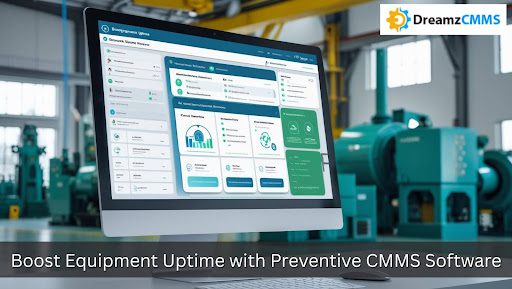
From simple printed paper checklists to fully-fledged software modules is just one leap for Facility Management Software. DreamzCMMS turns many of the routine tasks that Facilities Management staff complete into a live software system for capturing and tracking details about assets, actions taken, costs incurred, relevant certificates and future maintenance dates.
For the manager of a number of properties, the benefit of using Property Maintenance Software is that the same functionality can be applied across all of your venues, meaning that you can apply checklists, manage technicians and track assets and compliance across all sites from one software application, handling your entire property portfolio.
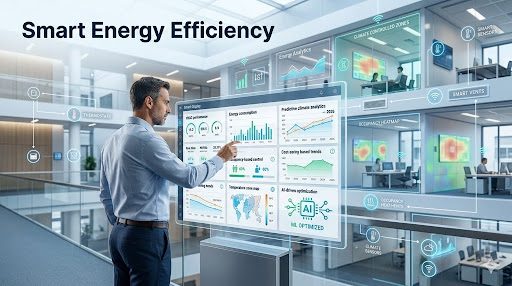
In addition to simplifying and organizing workflows, automation can also enhance energy efficiency by eliminating the need for manual monitoring of equipment. Read Energy Efficiency in Facility Operations to discover how operating your facilities on a calendar of preventive maintenance (e.g. annual air balance, refrigerant charge correction, filter changes, cleaning of fan blades and evaporator coils, chiller water treatment and HVAC control system software updates) can improve equipment efficiency.
Conclusion: Turn Your Checklist Into a Strategic Asset
Your facility maintenance checklist is your simple map for operating your facility. The checklist lays out all of the necessary tasks to be performed on your facility, details who is responsible for performing each maintenance task, and sets a schedule or frequency for how often each task is performed.
The best checklists are simple, realistic and enable a few straightforward tasks to be completed within a timeframe. They need to involve the right people, at the right time, with updates provided at the right time. This information may come from a number of sources, including the equipment itself, historical maintenance actions and the manufacturer.
This is your list of all the items that require preventive maintenance. Management of the list can often be made much easier with facility maintenance software such as DreamzCMMS. Here, you can track and schedule preventive maintenance, record completed work, view and manage compliance information. Techs become more productive while saving your company money by avoiding unnecessary repairs.
This video shows how DreamzCMMS can assist in creating, managing and automating your facility maintenance checklists. Book your free demo today and see how DreamzCMMS can support your maintenance team from the moment you purchase the asset, through its life of maintenance and retirement.
Ready to see what a structured, software-driven facility maintenance checklist looks like in practice? Explore and to see how the platform can centralise your maintenance operations, enforce your checklists, and give your team the visibility they need to manage every asset from acquisition to disposal.









Subscribe to Our Newsletter
 100% SECURE
 We Respect Your Privacy
 Ready for More?
Talk to one of our CMMS experts and see how DreamzCMMS can simplify your maintenance operations.
Book a free consultation