 BACK TO Blog
Asset Rental Management
Field Service
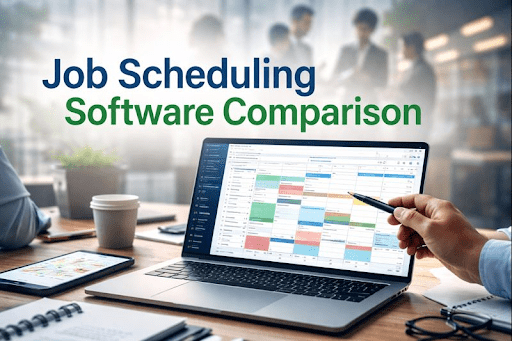
Job Scheduling Software Comparison
- February 06, 2026
- DreamzCMMS Team
- 9 minutes read
- February 06, 2026
- DreamzCMMS Team
- 9 minutes read
Why Scheduling Decisions Are No Longer Operational
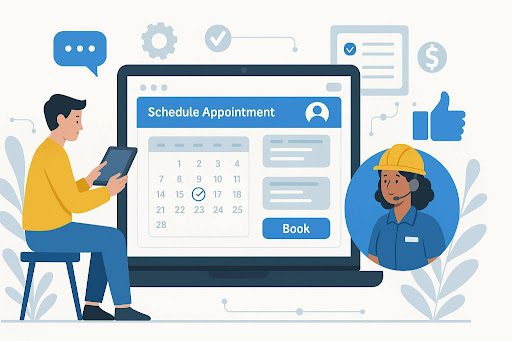
Job scheduling decisions used to sit several layers below executive oversight. That is no longer the case. As service operations expand, teams become more distributed, and customer expectations tighten, scheduling has become a visible risk point. Missed appointments, idle technicians, and reactive planning quickly translate into lost revenue and damaged credibility.
This shift is why Job Scheduling Software Comparison is now part of leadership conversations. Executives are not comparing tools for convenience. They are comparing them to protect margins, control labor costs, and maintain service consistency.
In organizations with field teams, the schedule defines the day. It determines which work gets done, which customers wait, and where inefficiencies hide.
Why Leaders Are Forcing a Comparison First
Software selection without comparison usually leads to compromise. Teams adapt their processes around the tool instead of the tool supporting the business. A structured Workforce scheduling software comparison prevents this outcome.
Leadership teams are no longer asking whether a scheduler can assign jobs. They want to know:
- How scheduling decisions affect workforce utilization
- Whether automation reduces dependency on planners
- If visibility exists beyond daily task lists
These questions sit at the center of any serious Job Scheduling Software Selection Guide.
Scheduling Has Become a Measurement Tool
Modern scheduling platforms generate operational data that did not exist before. When executives evaluate the best job scheduling software features, they look at what can be measured, not just what can be scheduled.
Metrics tied to scheduling now influence decisions around staffing, territory planning, and service pricing. This is where Job scheduling software ROI becomes visible.
Organizations running complex operations often pair scheduling platforms with Time tracking software to expose time leakage, overtime patterns, and unproductive travel. This combination alone changes how leadership views labor efficiency.
The Reality of Field and Technician Scheduling
In service-driven environments, scheduling failures surface immediately. Missed windows, double bookings, and manual adjustments slow operations. A credible Field service scheduling software comparison highlights which systems handle real-world conditions.
Executives increasingly focus on:
- Technician scheduling software features that account for skills and availability
- Real-time job scheduling features that support same-day changes
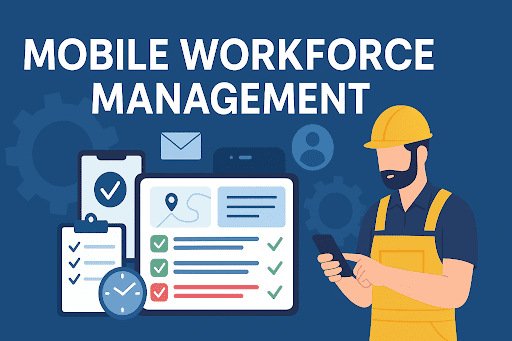
- Mobile job scheduling software comparison outcomes for field adoption
Tools that fail in the field fail at scale.
This is why many organizations replace fragmented systems with centralized platforms such as Job scheduling software and Field service dispatch software, especially when managing high job volumes.
What This Means for Decision Makers
Scheduling is no longer a support function. It is an operational control layer. Platforms that support Multi-location job scheduling software requirements and Job scheduling software integrations reduce friction between departments and improve execution speed.
Cloud deployment also matters. Cloud-based job scheduling platforms reduce infrastructure overhead and allow faster iteration as operations change.
Pause and EvaluateIf scheduling decisions already require frequent manual correction, the system may be working against scale. Review how scheduling performs during high volume, last-minute changes, and resource gaps. A short evaluation often reveals more than extended planning. Explore DreamzCMMS workflow through a Free Demo and assess whether the system supports control under pressure, not just planning on paper. |
What Executives Notice When Comparing Scheduling Systems
Comparison rarely starts with software. It starts with friction. Leaders notice where work slows down, where accountability fades, and where teams rely on manual fixes. Scheduling sits quietly behind many of these problems.
A Job Scheduling Software Comparison only becomes useful when it reflects those points of friction.
Comparison Happens in the Gaps
Most systems look acceptable during setup. Differences appear after deployment. When schedules change late in the day. When technicians do not respond. When a planner has to override the system.
This is where Job scheduling software evaluation criteria move from theory to reality.
Executives tend to observe three things without asking:
- How often people bypass the schedule
- How many manual adjustments occur each week
- How dependent operations are on one experienced planner
These observations often matter more than formal reports.
Real-Time Is About Trust, Not Speed
Speed is often mentioned. Trust matters more. Leaders want to know whether the schedule reflects what is actually happening. If it does not, the tool becomes a reference point instead of a control point.
That is why Real-time job scheduling features surface so often during Field service scheduling software comparison discussions.
When updates lag, decisions lag. When visibility breaks, confidence follows.
Mobile Use Reveals Adoption
Mobile access is easy to promise. Adoption is harder. Executives pay attention to whether technicians check schedules without prompting. They notice when updates stop coming from the field.
A meaningful Mobile job scheduling software comparison is not about interface design. It is about behavior.
Systems aligned with FSM scheduling tools tend to hold attention longer in the field because scheduling feels connected to execution.
Automation Changes Who Makes Decisions
Automation shifts authority. That shift can be uncomfortable. When evaluating Automated scheduling software benefits, leaders often ask quiet questions.
Who decides priority? Who adjusts assignments. Who owns the outcome.
Automation that removes confusion without removing accountability usually survives. Automation that creates opacity does not.
Over time, this distinction becomes visible in Job scheduling software ROI.
Cloud Platforms Remove Excuses
On-premise systems fail slowly. Cloud systems fail loudly. That transparency matters.
During Scheduling software comparison 2026 discussions, executives often focus on adaptability rather than innovation. Cloud-based job scheduling platforms tend to surface issues faster and resolve them without prolonged disruption.
Integration also becomes easier to observe. Weak Job scheduling software integrations show up as manual workarounds.
This is why many organizations align scheduling with maintenance and asset workflows through DreamzCMMS rather than running disconnected systems.
Pricing Signals Commitment
Low entry pricing attracts attention. Long-term pricing reveals intent. A realistic Job scheduling software pricing comparison accounts for expansion, not onboarding.
Executives notice when licensing discourages growth or when basic functionality requires add-ons.
Scheduling systems do not fail because of features. They fail because people stop trusting them.
A strong Job Scheduling Software Comparison protects that trust.
Organizations that test platforms in real conditions, often through a Free Demo, tend to identify limitations earlier and avoid costly replacements later.
What Finally Tips the Decision
Final decisions are rarely documented properly. They happen between meetings. They happen after reports are closed. They happen when someone asks what breaks first.
That is when a Job Scheduling Software Comparison stops being academic.
Scale Is Imagined Before It Is Measured
Executives do not wait for growth to test systems. They imagine it. They picture volume spikes. They picture staff shortages. They picture days when nothing goes as planned.
A scheduling system either holds up in that picture or it does not.
This is where Employee scheduling software comparison outcomes change. What works today may not work at twice the load.
Dispatch Is the Pressure Point
Scheduling looks clean on paper. Dispatch exposes weakness.
Leaders notice how often schedules survive first contact with the field. They notice how often planners intervene. They notice when execution depends on experience rather than system logic.
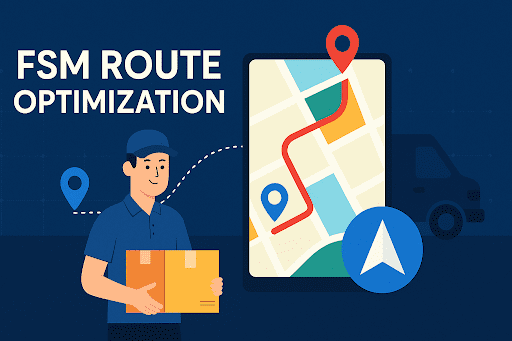
When scheduling flows directly into Field service dispatch software, fewer adjustments are needed. When it does not, manual control creeps back in.
Data Is Only Useful When It Causes Discomfort
Comfortable reports do not change behavior. Executives watch for friction.
They notice when scheduling data forces conversations about staffing, routing, or overtime. They notice when assumptions stop holding.
This is where Best job scheduling software features show their value. Not through dashboards, but through exposure.
Pairing scheduling insight with Time tracking software often reveals patterns that were previously ignored.
Automation Is Watched Closely
Automation creates distance. Distance creates concern.
During evaluation, leaders observe how Automated scheduling software benefits show up under stress. They watch whether automation assists or overrides. They notice how often humans step back in.
This affects confidence in Job scheduling software ROI more than projected savings.
Cloud Systems Remove the Buffer
Legacy systems fail quietly. Cloud systems do not.
In Scheduling software comparison 2026, executives tend to favor Cloud-based job scheduling platforms because problems surface faster. Faster exposure leads to faster correction.
Integration weaknesses also surface earlier. Poor Job scheduling software integrations do not hide for long.
This is why scheduling is often aligned with broader operational platforms like Field Service Management Software or DreamzCMMS, rather than operating alone.
Pricing Is Interpreted, Not Read
Executives do not fixate on numbers. They interpret intent.
A realistic Job scheduling software pricing comparison reveals whether growth is encouraged or penalized. Hidden limits are noticed. Complexity is remembered.
The Unspoken Question
Near the end, someone usually asks a simple question. Will people keep using this when things go wrong? Trust answers that question. Trust decides outcomes. A strong Job Scheduling Software Selection Guide protects trust more than preference. Job scheduling software does not improve operations by itself. It exposes them. A careful Job Scheduling Software Comparison prevents future friction by revealing it early.
Conclusion
Job scheduling software does not fail because of missing features. It fails when it stops being trusted. That loss of trust usually begins quietly. A manual adjustment here. An override there. Eventually, the system becomes a reference instead of a control.
This is why Job Scheduling Software Comparison matters more than selection speed. The comparison process reveals how work actually flows, where pressure builds, and how teams behave when plans change.
For decision-makers, the value is not in choosing the most advanced platform. It is in choosing the one that holds up when conditions are imperfect. When volume increases. When people are unavailable. When priorities shift without notice.
Scheduling sits between strategy and execution. When it works, operations feel stable. When it does not, every inefficiency becomes visible.
The right decision reduces dependence on individuals, supports scale, and makes outcomes predictable. That is what leadership looks for. Not polish. Not promises. Stability.
That is where the comparison ends.
Assess Scheduling Under Real ConditionsEvaluate how scheduling behaves under real operating conditions, not assumptions. Observe how teams respond, where adjustments occur, and whether visibility improves decision-making.Explore DreamzCMMS through a Free Demo and assess whether it supports control, scale, and consistency across your operations. |
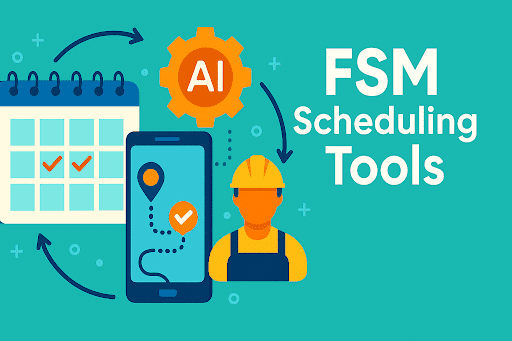
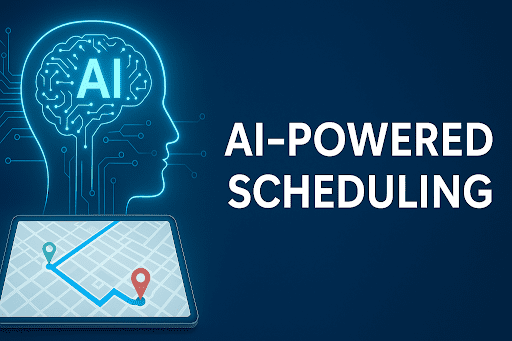
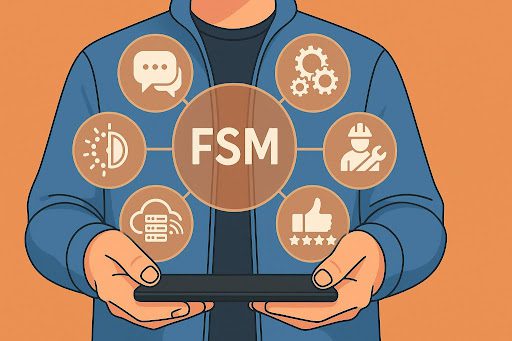
Additional ReadsFor leaders exploring how scheduling decisions connect to broader operational strategy, the following perspectives provide useful context:AI-powered scheduling — A closer look at how intelligent scheduling systems influence decision-making without removing human control. FSM scheduling tools — An overview of scheduling frameworks designed for field-based operations where execution conditions change daily. |



















Subscribe to Our Newsletter
 100% SECURE
 We Respect Your Privacy
 Ready for More?
Talk to one of our CMMS experts and see how DreamzCMMS can simplify your maintenance operations.
Book a free consultation