 BACK TO Blog
Asset Rental Management
Asset Maintenance
FFT analysis maintenance explained: how smarter teams detect bearing failures early, prevent downtime, and act before breakdowns
- March 30, 2026
- DreamzCMMS Team
- 17 minutes read

- March 30, 2026
- DreamzCMMS Team
- 17 minutes read
Introduction
FFT Analysis Maintenance is a method of taking vibration readings, and by use of sophisticated analysis and monitoring tools, converting the frequency components of the vibration into meaningful information for the maintenance team. This information can then be used to identify when unusual events are occurring within the machinery and enables the maintenance team to take corrective action in order to prevent any potential failure occurring.
By performing FFT Analysis Maintenance, the maintenance team can examine the vibration of the machine, isolate any unusual frequencies that do not match the normal operating frequency spectrum of the machine, and by analysing trends and patterns can ascertain the nature of the condition. FFT Analysis Maintenance enables management to "hear" what the machine is "telling" it, before the machine breaks down.
We are seeing more teams embracing FFT vibration analysis maintenance within their Reliability Centred Maintenance (RCM) practices. Modern vibration analysis monitoring is not about taking readings. It is about having an overall condition monitoring approach that links the condition of your assets to their history, maintenance schedule and with alerting to enable prompt action and correction of problems before becoming potential failures. AI vibration monitoring (or AI vibration analysis) maintenance, and FFT vibration analysis can support moving maintenance from fire fighting to preventative wise practices.
Maintenance and Reliability Asset Maintenance Management Software, IoT Monitoring & Predictive Maintenance and DreamzCMMS FFT analysis is often a key element of maintenance and reliability discussions. Adding work orders, inspection history and condition alerts to FFT analysis equipment maintenance helps to bring asset risk and service priorities into sharper focus.
Why FFT analysis maintenance has become an operations issue
Almost all leaders are surprised to learn that almost all failures occur before a piece of equipment actually fails. Hence the terms Reliability Centered Maintenance, Condition Based Maintenance, or Predictive Maintenance. Maintenance is not just about tightening bolts and replacing worn items, it is about lost production, missed deliveries, unexpected repair costs, overtime work and the general air of unease that circulates throughout the production plant. So the fact that Predictive Maintenance using the Fast Fourier Transform is not an engineering conversation, but an operations conversation comes as no surprise.
Although the machine may be running without issue, changes to the vibration are beginning to occur and trending in the wrong direction. The motor is still running, the bearing is still rotating and production is still running on the line. It is however noticed that the frequency of the machine has begun to change in a manner that indicates potential problems.
The FFT vibration analysis maintenance catches these early changes to the vibration in the machine’s life cycle allowing for more time to visually inspect the machine and assess potential repairs. This allows more time to prepare and plan for the maintenance as well as schedule work to ensure that the machine does not have to be shutdown unexpectedly.
Predictive maintenance vibration analysis, while being a valuable asset management tool, in most cases does not improve fault detection in your assets. It is the timing of the maintenance that brings real value. Early fault detection allows you to plan the required maintenance work in your favour.
For example, if an asset needs maintenance, you can schedule an inspection during a planned shut down, arrange for the right people to be on site to carry out the required work as efficiently as possible and to ensure that any low impact maintenance required does not disrupt normal operations.
The hidden cost of weak vibration visibility
Weak vibration visibility often deteriorates over time and does not often fail in a dramatic manner. A peak shows up but we say it is small so it must not be important. Someone recognizes that there is a recurring vibration in their data but no action is taken to correct the problem. They notice a change in the vibration but no trend data has been established to establish that an action is needed. The machine is running so perhaps the problem is not a problem yet; at least not until it is.
FFT bearing failure detection is an effective tool in vibration analysis. Rather than trying to confirm that a failure has occurred, the bearing faults can be detected before a failure actually occurs. By using FFT spectrum analysis the team is able to correlate the peaks in the spectrum to possible causes of vibration such as looseness, imbalance, resonance, misalignment or early stage bearing faults.
The cost of poor visibility is always higher than the cost of the repair. False diagnostics lead to incorrect components being inspected, parts being ordered in error, and the potential for wasted technician time as they continue to react to symptoms, rather than truly fixing the problem. FFT analysis prevents failures in two different ways: by catching problems earlier in their lifecycle, and by eliminating the associated uncertainty and timeframe of “when will it fail” which exists with an unexpected failure.
Why basic vibration monitoring setups often fail
Companies start by using sensors and do some spot checks and they think that is enough. And it is not. More than a basic system is required. The data that the system is collecting does not lead to any actions. A measurement is taken and the data point is plotted on a graph and nothing else is done. The problem is not that we have data, the problem is that the data is not connected to anything in terms of actually performing the maintenance work required.
The above is one of the reasons that Automated FFT analysis maintenance is becoming more important. We need more than just the vibration data. We need to have features such as notifications, priorities, trends and follow through. If a technician finds an abnormal vibration level, but no work order is generated, then what good did the vibration test do? If a problem is found, but it is not referenced to the machines service history, then the response to the condition may still be slow and not very accurate.
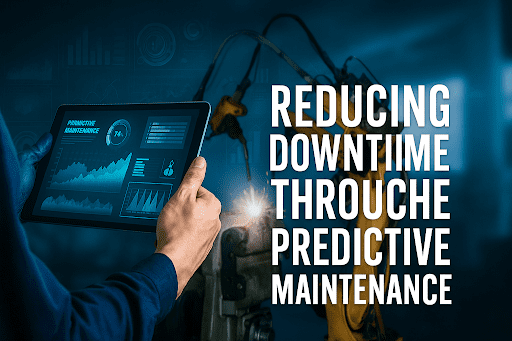
Connected systems matter for a variety of reasons. Maintenance and Work Orders is one of the key enablers that turn machine insight into action. Reducing Downtime through Predictive Maintenance is one of the many reasons that you need connected real time condition monitoring with maintenance activities. FFT analysis maintenance works best when the analysis and the action are done right in the workflow.
What affects FFT analysis performance in real conditions
Many people believe that FFT analysis maintenance is a sensor issue. However, there are many other factors that need to be considered when it comes to FFT analysis maintenance. Some of the key items to consider are: Machine speed Machine load Sensor location Sensor resolution Data consistency It is possible to have a very good vibration program, but have poor quality data that is of no real value to maintenance activities. The data may not be synchronized to the machine operation, or the varying operating conditions may not be properly accounted for.
That is why Frequency domain analysis maintenance is so important. Any changes in the levels of vibration have to be measured and understood across the entire range of frequencies. Vibration signature analysis FFT provides this information between the various frequencies of the different vibrations in the machine and the background noise. It filters out the noise from the background and highlights any key fault indicators and patterns.
Using FFT waveform analysis to your advantage in your vibration analysis can also be a useful tool. Peaks at specific frequencies will show where there is abnormal energy present and reviewing the waveform of these peaks will show when and how this abnormal energy is occurring and where on the machine it is occurring.
When used in conjunction with the frequency data, it will give a clearer picture of the condition of the machine. However, it is important to have good quality data and a good understanding of the machine that is being analyzed, and that the vibration analysis is conducted in a consistent manner.
Why bearing fault patterns matter more than many teams expect
Bearing problems almost always develop over a period of time. You may not notice any change in the spectrum. You may notice harmonics and side bands increasing in magnitude. After a period of time you may begin to notice more noise from the bearing and an increase in temperature from the bearing. You may also hear unusual sounds coming from the bearing. Generally you won't notice the problem using a spectrum analyzer until it is too late. The bearing has been damaged for some time and the repair costs are exorbitant.
Bearing defect detection FFT Bearing defect detection FFT is another of the stronger use cases for FFT analysis in maintenance. Bearings are components of rotating machinery. Before a bearing defect becomes serious and causes significant damage to other parts of the machine, the bearing faults can be detected by applying FFT analysis to the vibration signal. FFT vibration analysis maintenance can help in the early detection of changes in the bearings and possibly avert any production, safety or customer service problems when the bearing fails.
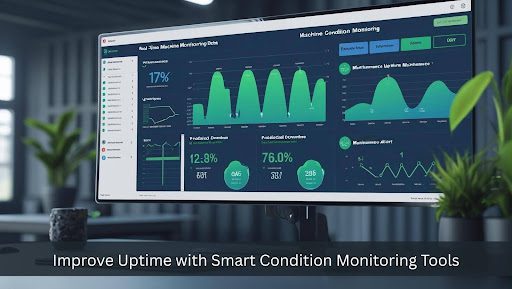
Real-time FFT Vibration Analysis is a particularly useful tool for critical assets. Maintenance and asset management leaders with responsibility for the safety and protection of high value and high risk assets will find that the use of Real-time FFT Vibration Analysis offers a wide range of benefits. Where failure would be catastrophic, maintenance personnel will be able to monitor the development of patterns of vibration change in real time, as they occur, as opposed to many weeks or months later when any potential effect of the change may be too late to take preventative action.
Real-time FFT Vibration Analysis therefore has a significant impact on the maintenance planning process providing more time for response, reducing uncertainty and ensuring that the latest information is available for all asset management activities. Real-time FFT Vibration Analysis is also highly consistent with Best Practices for Asset Lifecycle Management, because early condition monitoring of assets can offer opportunities to preserve the remaining asset life and avoid the unpleasant surprise of an unexpected failure.
How FFT analysis supports better maintenance scheduling
FFT analysis maintenance is quicker to accomplish than vibration analysis. One of the many benefits of performing FFT analysis maintenance is that it shortens the time between necessary maintenance activities. Although the maintenance teams feel that there is an issue with the machine they do not always know when the best time to perform maintenance is.
The vibration analysis that is performed in the Predictive maintenance program provides the teams with the trend of the vibrations and the change in the frequency over time. This provides the teams with a clear idea of the speed of progression of the problem and thereby provides them with a better idea of when the necessary maintenance work will have to be done.
This is a first for me in the field. We shall continue to watch the vibrations to see if they stabilize. If the rise in frequency is due to a bearing problem or imbalance and it is occurring rapidly, we may be able to schedule an inspection before major problems occur. This is one of the major advantages of using the FFT analysis tool in the day-to-day operations of the plant. It can provide us with a better understanding of when to perform maintenance, and hence correlate our activities to the exact time when they are required rather than on a fixed maintenance cycle.
It’s also where Asset Maintenance Management Software and Maintenance and Work Orders come in. When condition findings are tied to actions within your system, maintenance teams are less likely to spend their day searching for information. And more of their time is spent carrying out maintenance work when it is needed.
Why alarm thresholds should never be generic
One of the most common errors made in vibration maintenance programs is using the same alarm limits for all assets. However, not all machines behave the same. What may be considered a small change on one motor may be considered a critical fault on another. Frequency domain analysis and maintenance is a contextual field of work. Speed, load, mode of operation, asset age and maintenance history are a few of the key variables that need to be taken into account.
This is why Vibration signature analysis FFT is so important. It is not good enough to say that vibration has increased. We need to know which frequencies increased, by what amount, relative to the characteristic vibration signature for that piece of equipment, and over what period of time. Using generic alarm limits often results in nuisance alarms for some problems, and failed to detect alarms for others.
Intelligent teams will begin to develop more relevant alarm logic based on the criticality of their assets and their machine behavior. This will begin to make Real-Time FFT Vibration Analysis more impactful, as the alarms will be more relevant to the risk of the operation and less “noise”. As reliability and accuracy grow, plants will have more confidence in their systems and operators will be more likely to react to alarms as they begin to trust the system.
How AI makes FFT data easier to act on
While some maintenance teams have difficulties in relation to data, there are many who have far too much data. And then they do not know which is important and which is not important. AI machine learning vibration monitoring can be of great help here. The AI in the machine learning technology can filter out what is insignificant, and at the same time follow trends and patterns that need to be reported, as well as detect anomalies earlier in their development, so that the maintenance team is not hit with a large number of unnecessary notifications.
Vibration monitoring maintenance and FFT through the use of artificial intelligence is becoming a larger role in today’s reliability programs. Rather than having to review every vibration chart for every piece of equipment, the risk of failure for your critical assets can be tracked and the assets that are showing the largest change in risk can be highlighted for focus. This doesn’t replace the role of your technician or analyst, but it helps to ensure that you are spending your time on the right piece of equipment at the right time and that you are taking the right actions at the right time with as little hesitation as possible.
Just like with the maintenance of any Automated FFT analysis tool, there are rules to follow. CMMS vendors are often marketing the word “automation” when they talk about the collection of data. What they don’t say is that having “actionable data” is an even more important step in automation. Having data collected and having to manually create work orders for maintenance does not represent a full automation.
The idea of automation should be that it allows the process to be “self-service” with the “data collection” being the first step in a process stream but also the following steps such as sending email notifications, generating work orders, requesting for review, scheduling for re-inspection and more. DreamzCMMS and IoT Monitoring & Predictive Maintenance is based on this “self-service” principle.
Why integration matters more as your program grows
What usually stops the FFT benefits from being realized. A small scale FFT analysis program can be run and maintained with a small amount of manual analysis, some spreadsheets and basic reports. However when the maintenance organization has to monitor a large number of machines in one or more locations and has to monitor more points on the machines, the disconnected tools such as manual analysis, spreadsheets and basic reports become inefficient, and the vibration analysis program begins to fall apart with failed notices, unassigned findings, and poor or non-existent repairs and comparisons.
A connected maintenance platform will have the tools required to access and manipulate data, as well as the scheduling, asset history, and records of work performed. That is one of the many reasons FFT analysis maintenance is often linked with DreamzCMMS or Asset Maintenance Management Software and Maintenance and Work Orders. As organizations grow and mature, they need more and more integrated systems to be efficient.
In addition to being proactive, Condition Based Maintenance (CBM) also supports more advanced long term planning. Correlating vibrations measurements to historical maintenance records, asset life cycle data, trends can be determined for similar assets, maintenance effectiveness can be compared and the optimal time for replacement of larger components can be determined. Be sure to link into some of our internal Best Practices for Asset Lifecycle Tracking Management and Reducing Downtime through Predictive Maintenance.
Common mistakes businesses make with FFT analysis maintenance
Many in the vibration analysis industry are guilty of treating all abnormal vibration conditions the same. Not all alarms are created equal and not all pose the same risk to your business. A small vibration reading indicating early signs of bearing wear may not be a cause for concern, whereas a condition in a critical rotor with a large defect growth rate may be a condition that requires immediate and drastic attention. Without proper prioritization the wrong people will react to the wrong alarms at the wrong time.
Here is another one: treating condition monitoring as a task that is separate from operational tasks. So if one team identifies a problem and another team is responsible for the repair, but those two teams are not aligned, then there will be delays and misunderstandings. All systems should be “linked” so that when an anomaly is detected, for example a frequency issue, it is clear which operational task it is associated with and therefore how it should be treated. Start your journey by reading our Asset Maintenance Management Guide along with maintenance cost reduction and lifecycle planning.
Build smarter predictive maintenance with DreamzCMMS
If your team is still doing Vibration Analysis reviews manually and Overdue inspections are being missed frequently or the reports seem to be not relevant to the rest of maintenance activities in your site, it’s time to start building a more integrated maintenance strategy. Maintenance leaders today have moved far beyond than just data collection activities. Maintenance leaders today are looking for opportunities to make quality maintenance decisions from that data. The equipment doesn’t hear you say “I know, I know”, it’s time to take actions.
All your asset records, condition alerts, maintenance planning and execution can be integrated into DreamzCMMS. Asset Maintenance Management Software, IoT Monitoring & Predictive Maintenance, and Maintenance and Work Orders integrated with DreamzCMMS, make FFT analysis maintenance easier to implement across real time shop floor operations. Know more about - AI for Predictive Maintenance .
Earlier fault detection, better maintenance planning, faster response to machine failure, a cleaner service history and improved control of critical assets. No more ‘best guess’ for dealing with potential issues and faster reliable action based on proven condition trend analysis.
If your goal is to prevent surprise failures, improve uptime, and use AI-powered FFT vibration monitoring in a way that actually supports maintenance execution, the next step is to explore a Free Demo.
Conclusion
FFT analysis no longer requires specialist maintenance. The advent of Condition Monitoring in machines has increasingly brought maintenance to realise the value of such systems. Maintenance is now wanting to use FFT analysis as an everyday business tool to aid their work and the benefits of such analysis are many fold. Improved condition monitoring of the machines under their care, faster bearing fault detection and ultimately a reduced risk of potential failure of the machine.
When carried out correctly within a maintenance routine the maintenance team has more time to evaluate the condition of the machine, a greater understanding of the machinery can be gained from the FFT analysis and with a clear indication of the important components it can aid prioritisation.
Condition insight is highly valuable when combined with asset data, workflow automation and maintenance activities. That’s the way today’s maintenance teams perform FFT analysis on their equipment maintenance and achieve higher plant reliability and productivity, lower costs and maximum value from their critical assets.




























Subscribe to Our Newsletter
 100% SECURE
 We Respect Your Privacy
 Ready for More?
Talk to one of our CMMS experts and see how DreamzCMMS can simplify your maintenance operations.
Book a free consultation